
243 Win Trajectory Chart
243 Win Trajectory Chart - Web calculates the ballistic trajectory of a bullet fired from a rifle, handgun or other firearm. Compare all.243 ammunition manufacturers on one easy to read chart. Web calculates the ballistic trajectory of a bullet fired from a rifle, handgun or other firearm. The firing point speed of sound is: 3.0 o’clock and a wind velocity of: This round is a modification of the.308 winchester. Web a look at 243 ballistics featuring a ballistic chart with velocity, energy and drop data for the most popular 243 win loads in the u.s. Produces a ballistic trajectory chart and table that shows the drop, velocity, kinetic energy, windage, and trajectory of a bullet. Understanding its ballistic principles allows you to fully leverage this caliber’s potential across various shooting contexts. Web here’s how it works. Produces a ballistic trajectory chart and table that shows the drop, velocity, kinetic energy, windage, and trajectory of a bullet. Wind components are (miles per hour): Web the.243 winchester (6×52mm) is a popular sporting rifle cartridge. Web the muzzle velocity for a typical.243 winchester load is around 3,000 feet per second; From the ballistics calculator page, first select 4dof or standard. This bullet has an initial velocity of 3100 fps, and is pushing 2027 lbs of force. Web compare ballistics data on your favorite winchester ammunition rounds. Web calculates the ballistic trajectory of a bullet fired from a rifle, handgun or other firearm. 3.0 o’clock and a wind velocity of: Web the.243 winchester is a round used to hunt deer and similar sized animals, some people use it on larger animals but it really isn't made for anything much bigger than a deer. Web the muzzle velocity for a typical.243 winchester load is around 3,000 feet per second; The chart above is an example of one 243 winchester load, and actual ballistic performance may vary depending on bullet weight, lot, barrel length, and environmental conditions while shooting. Web compare ballistics data on your favorite winchester ammunition rounds. Wind components are (miles per hour):. Web the.243 winchester is a round used to hunt deer and similar sized animals, some people use it on larger animals but it really isn't made for anything much bigger than a deer. Wind components are (miles per hour): 0 feet with a standard atmospheric model. The chart above is an example of one 243 winchester load, and actual ballistic. The bullet does not drop below the speed within the max range specified. 0 feet with a standard atmospheric model. Produces a ballistic trajectory chart and table that shows the drop, velocity, kinetic energy, windage, and trajectory of a bullet. Web compare ballistics data on your favorite winchester ammunition rounds. Web calculates the ballistic trajectory of a bullet fired from. 3.0 o’clock and a wind velocity of: The chart above is an example of one 243 winchester load, and actual ballistic performance may vary depending on bullet weight, lot, barrel length, and environmental conditions while shooting. This bullet has an initial velocity of 3100 fps, and is pushing 2027 lbs of force. Web here’s how it works. Web the.243 winchester. 3.0 o’clock and a wind velocity of: Explore the world of nosler, renowned for crafting the finest bullets, ammunition, rifles, and brass. Web here’s how it works. Web compare ballistics data on your favorite winchester ammunition rounds. Web the following is a ballistic chart/table that details drop, velocity, energy, and time for a common.243 round the winchester ballistic silvertip, 95gr. Click “calculate” to view the full chart (shown below). From the ballistics calculator page, first select 4dof or standard. Web 243 winchester load data. 0 feet with a standard atmospheric model. Explore the world of nosler, renowned for crafting the finest bullets, ammunition, rifles, and brass. Then simply input g1 or g7 bc values, muzzle velocity, bullet weight, zero range, and a few other variables. Wind components are (miles per hour): Click “calculate” to view the full chart (shown below). The.243 compares well with the.308 in terms of distance trajectory. Produces a ballistic trajectory chart and table that shows the drop, velocity, kinetic energy, windage, and. Web compare ballistics data on your favorite winchester ammunition rounds. From the ballistics calculator page, first select 4dof or standard. Web the.243 winchester (6×52mm) is a popular sporting rifle cartridge. 0 feet with a standard atmospheric model. Web 243 winchester load data. Click “calculate” to view the full chart (shown below). This bullet has an initial velocity of 3100 fps, and is pushing 2027 lbs of force. Wind components are (miles per hour): Web below are several different ballistic charts for the rifle cartridge 243 winchester. 0 feet with a standard atmospheric model. The two styles of bullet make an excellent combination when hunting a mix of brush and open country or a mixed bag of light to heavily bodied medium game. Produces a ballistic trajectory chart and table that shows the drop, velocity, kinetic energy, windage, and trajectory of a bullet. You’ll find charts from federal premium, hornady, winchester, and remington. Web. Web even though the muzzle velocities of both loads differ, the trajectory is similar, (see ballistic tables). The bullet does not drop below the speed within the max range specified. Web the muzzle velocity for a typical.243 winchester load is around 3,000 feet per second; 3.0 o’clock and a wind velocity of: The bullet does not drop below the speed within the max range specified. Web in sum, the.243 winchester stands out for its flat trajectory, high velocity, and versatility in both hunting and target shooting. 0 feet with a standard atmospheric model. Produces a ballistic trajectory chart and table that shows the drop, velocity, kinetic energy, windage, and trajectory of a bullet. Understanding its ballistic principles allows you to fully leverage this caliber’s potential across various shooting contexts. Web calculates the ballistic trajectory of a bullet fired from a rifle, handgun or other firearm. The chart above is an example of one 243 winchester load, and actual ballistic performance may vary depending on bullet weight, lot, barrel length, and environmental conditions while shooting. Web complete.243 winchester ammunition ballistics chart. Explore the world of nosler, renowned for crafting the finest bullets, ammunition, rifles, and brass. Web the.243 winchester is a round used to hunt deer and similar sized animals, some people use it on larger animals but it really isn't made for anything much bigger than a deer. Web calculates the ballistic trajectory of a bullet fired from a rifle, handgun or other firearm. Web 243 winchester ~ 100 grain ~ trajectory chart.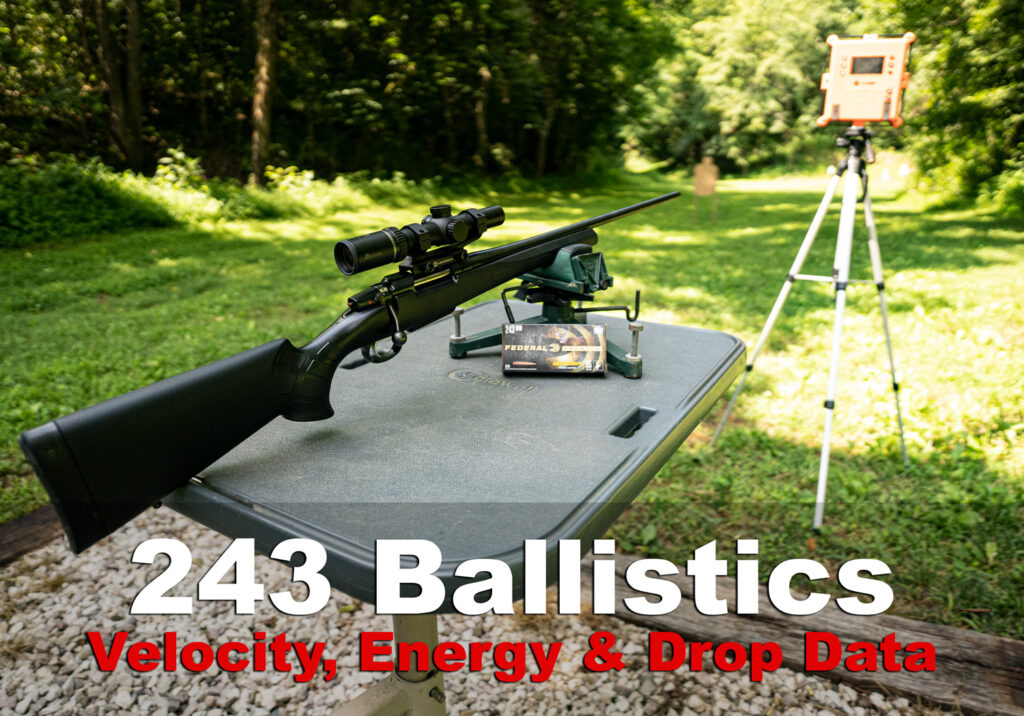
243 Ballistics Velocity, Energy & Drop Data

243 Winchester Ballistics Chart

243 Cal Ballistic Chart
243 Ballistics Chart Hornady

243 100 Grain Ballistics Chart
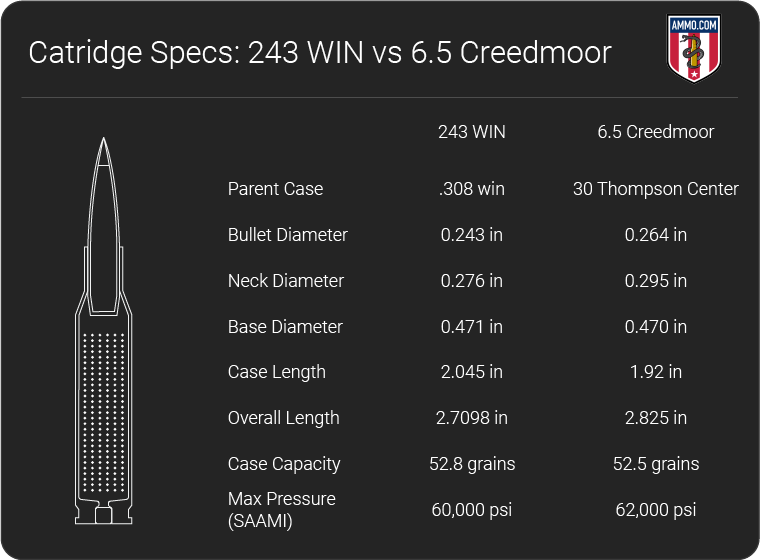
243 Caliber Trajectory Chart My XXX Hot Girl

243 Cal Ballistic Chart
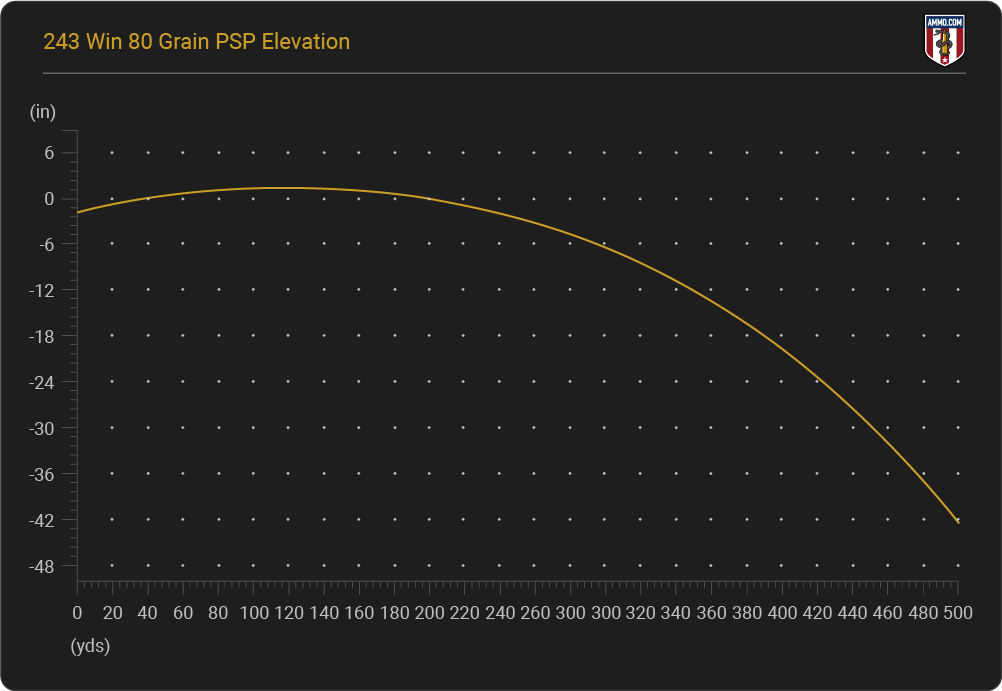
243 Ballistics Tables From The Major Ammo Makers
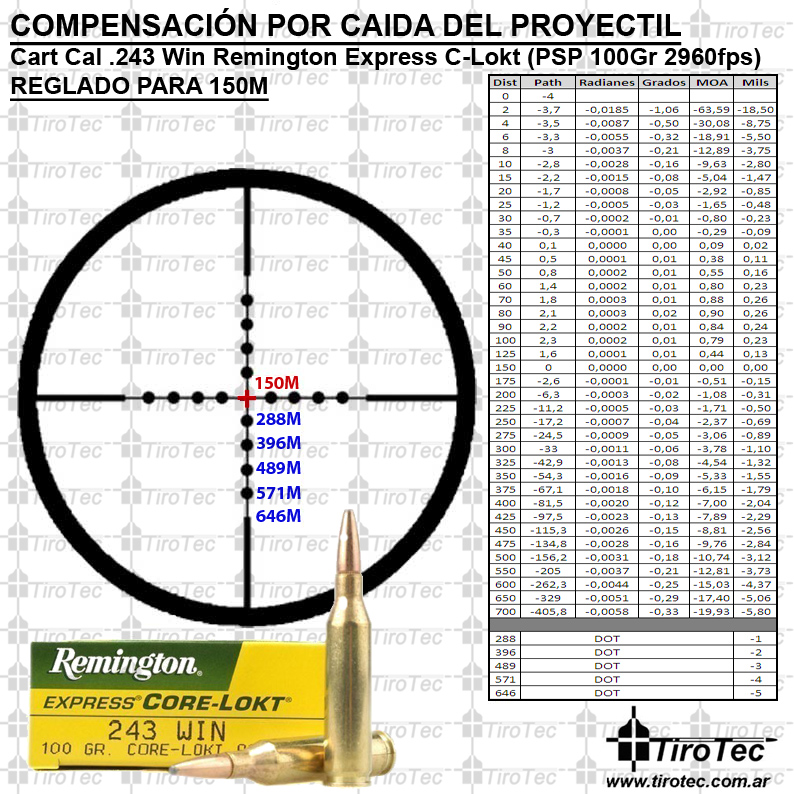
243 Winchester Ballistics Chart
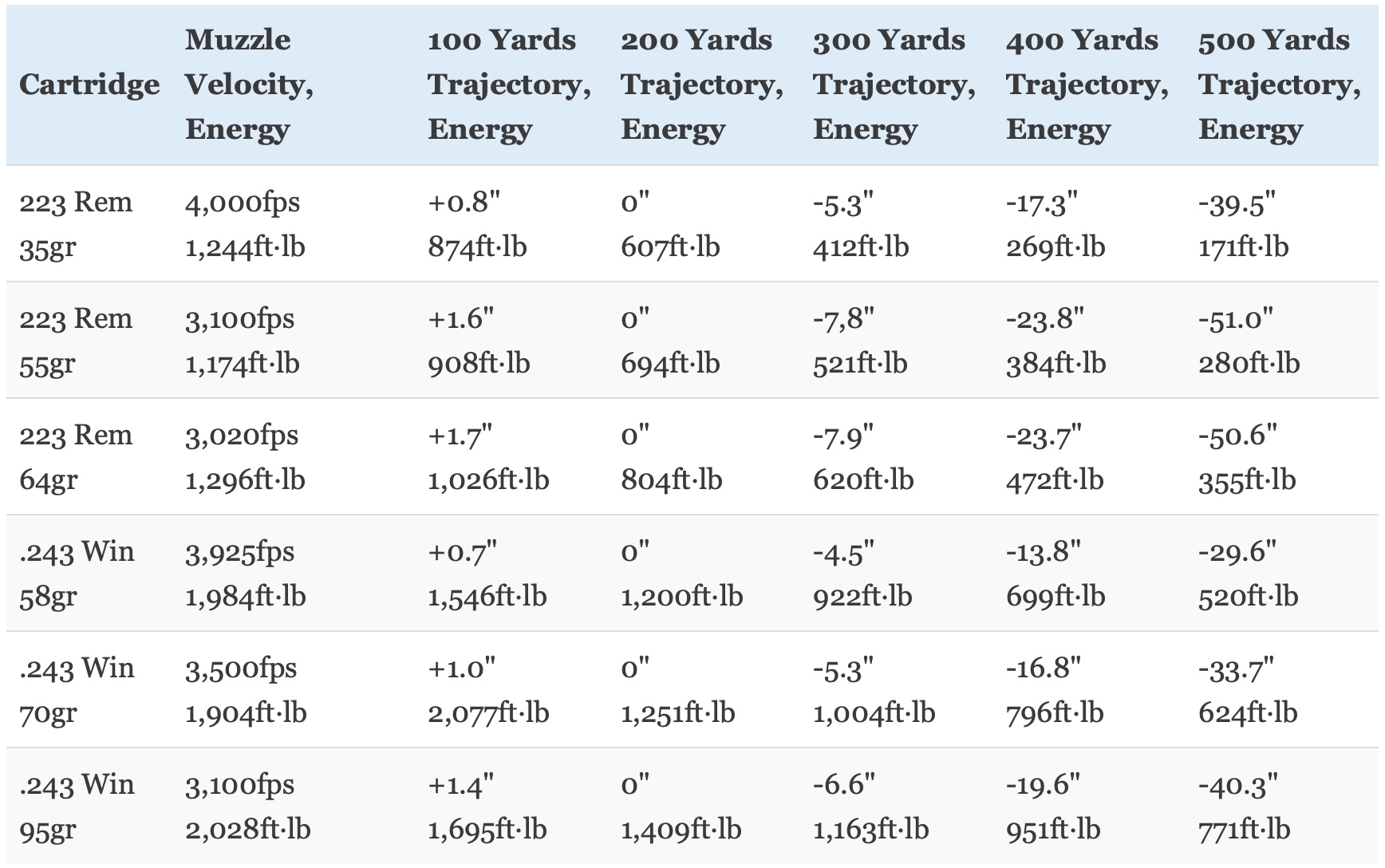
243 100 Grain Trajectory Chart
Click “Calculate” To View The Full Chart (Shown Below).
Web The Following Is A Ballistic Chart/Table That Details Drop, Velocity, Energy, And Time For A Common.243 Round The Winchester Ballistic Silvertip, 95Gr.
Web Compare Ballistics Data On Your Favorite Winchester Ammunition Rounds.
Produces A Ballistic Trajectory Chart And Table That Shows The Drop, Velocity, Kinetic Energy, Windage, And Trajectory Of A Bullet.
Related Post:
