
Bar Vs Column Chart
Bar Vs Column Chart - Web when it comes to presenting data in a visual format, two types of charts stand out among the rest: Bar charts have better visibility in terms of bigger datasets. Both of these charts display data to compare between two given parameters. Web to break it down in the simplest way, column charts are ideal for showcasing trends over time, whereas, bar charts excel in comparing individual categories. Column charts and bar charts. Web bar charts and column charts (also known as vertical bar charts) are basically the same things when it comes to data representation. Web in my experience i have found that there are two scenarios where a column graph communicates the message better and one scenario where a bar chart works better. Each categorical value claims one bar, and. Column charts are used to compare values across categories and can be used to show change over a period of time. Web a simple column chart uses vertical bars to display data. Both of these charts display data to compare between two given parameters. These two chart types have similar characteristics, yet they also have distinct differences that can greatly impact the. Column charts are used to compare values across categories and can be used to show change over a period of time. Each categorical value claims one bar, and. Web when it comes to presenting data in a visual format, two types of charts stand out among the rest: Web the main difference between column charts and bar charts is that you always draw bar charts horizontally and column charts vertically. The only difference is that the bar chart is presented horizontally (with values on the x axis and categories on the y axis) while the column chart is represented vertically (with values on the y axis and. Column charts and bar charts. Web bar charts and column charts (also known as vertical bar charts) are basically the same things when it comes to data representation. Web for small datasets (up to 10 points), opt for a column chart. Web when it comes to presenting data in a visual format, two types of charts stand out among the rest: Bar charts have better visibility in terms of bigger datasets. Web bar charts and column charts (also known as vertical bar charts) are basically the same things when it comes to data representation. Web to break it down in the. Web a simple column chart uses vertical bars to display data. For larger datasets (more than 10 points), use a bar chart vs column charts. Web to break it down in the simplest way, column charts are ideal for showcasing trends over time, whereas, bar charts excel in comparing individual categories. Both of these charts display data to compare between. Web in my experience i have found that there are two scenarios where a column graph communicates the message better and one scenario where a bar chart works better. The bar chart may also be helpful in dealing with one exception to the use of column graphs. The only difference is that the bar chart is presented horizontally (with values. Each categorical value claims one bar, and. Web in my experience i have found that there are two scenarios where a column graph communicates the message better and one scenario where a bar chart works better. For larger datasets (more than 10 points), use a bar chart vs column charts. Web discover the differences between bar chart vs column chart,. Levels are plotted on one chart axis, and values are plotted on the other axis. The bar chart may also be helpful in dealing with one exception to the use of column graphs. Web discover the differences between bar chart vs column chart, and how to choose the right one for your data visualization needs. Web bar charts and column. Levels are plotted on one chart axis, and values are plotted on the other axis. Column charts are used to compare values across categories and can be used to show change over a period of time. For larger datasets (more than 10 points), use a bar chart vs column charts. Web to break it down in the simplest way, column. Each categorical value claims one bar, and. For larger datasets (more than 10 points), use a bar chart vs column charts. Web to break it down in the simplest way, column charts are ideal for showcasing trends over time, whereas, bar charts excel in comparing individual categories. The bar chart may also be helpful in dealing with one exception to. Web for small datasets (up to 10 points), opt for a column chart. For larger datasets (more than 10 points), use a bar chart vs column charts. Web the main difference between column charts and bar charts is that you always draw bar charts horizontally and column charts vertically. Column charts and bar charts. Web when it comes to presenting. Levels are plotted on one chart axis, and values are plotted on the other axis. Web bar charts and column charts (also known as vertical bar charts) are basically the same things when it comes to data representation. The only difference is that the bar chart is presented horizontally (with values on the x axis and categories on the y. Web for small datasets (up to 10 points), opt for a column chart. Both of these charts display data to compare between two given parameters. The bar chart may also be helpful in dealing with one exception to the use of column graphs. Levels are plotted on one chart axis, and values are plotted on the other axis. Web a. Web bar charts and column charts (also known as vertical bar charts) are basically the same things when it comes to data representation. Web to break it down in the simplest way, column charts are ideal for showcasing trends over time, whereas, bar charts excel in comparing individual categories. Column charts and bar charts. Bar charts have better visibility in terms of bigger datasets. Column charts are used to compare values across categories and can be used to show change over a period of time. Web the main difference between column charts and bar charts is that you always draw bar charts horizontally and column charts vertically. Web for small datasets (up to 10 points), opt for a column chart. Web a simple column chart uses vertical bars to display data. Levels are plotted on one chart axis, and values are plotted on the other axis. For larger datasets (more than 10 points), use a bar chart vs column charts. Web when it comes to presenting data in a visual format, two types of charts stand out among the rest: The bar chart may also be helpful in dealing with one exception to the use of column graphs. These two chart types have similar characteristics, yet they also have distinct differences that can greatly impact the. Web a bar chart (aka bar graph, column chart) plots numeric values for levels of a categorical feature as bars. Both of these charts display data to compare between two given parameters.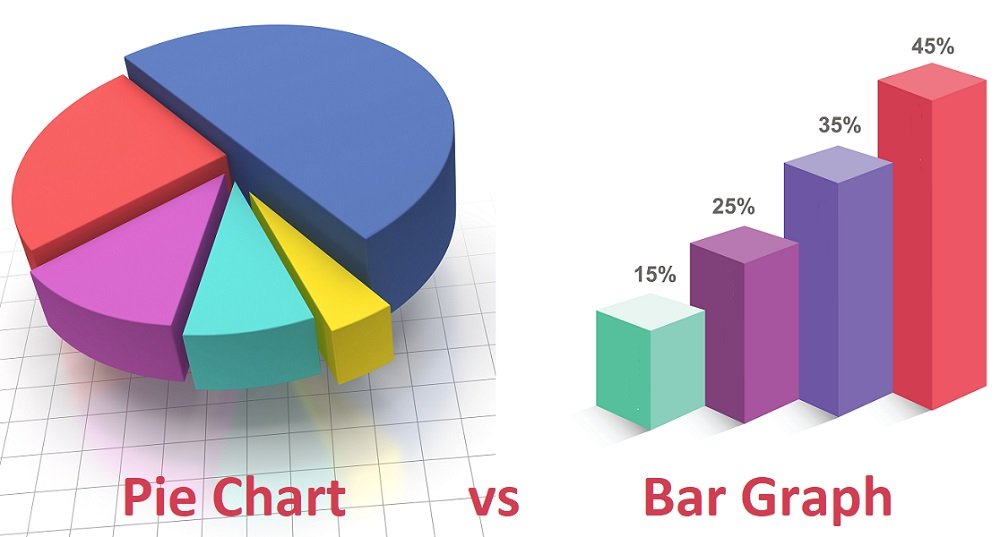
What Is The Difference Between Bar And Column Charts
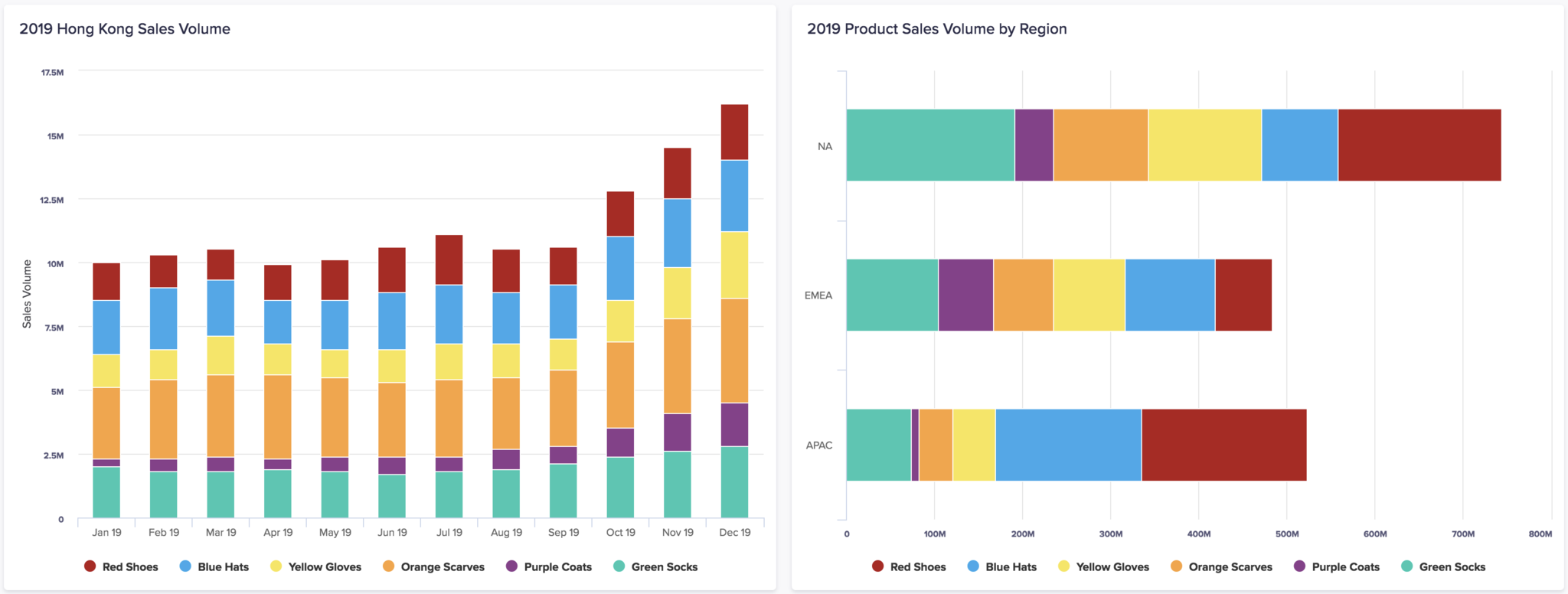
Bar Chart Vs Column Chart
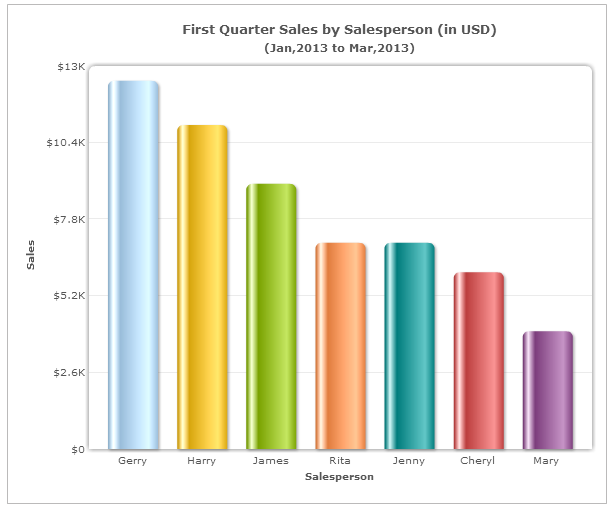
Column Chart vs. Bar Chart Making the Right Choice
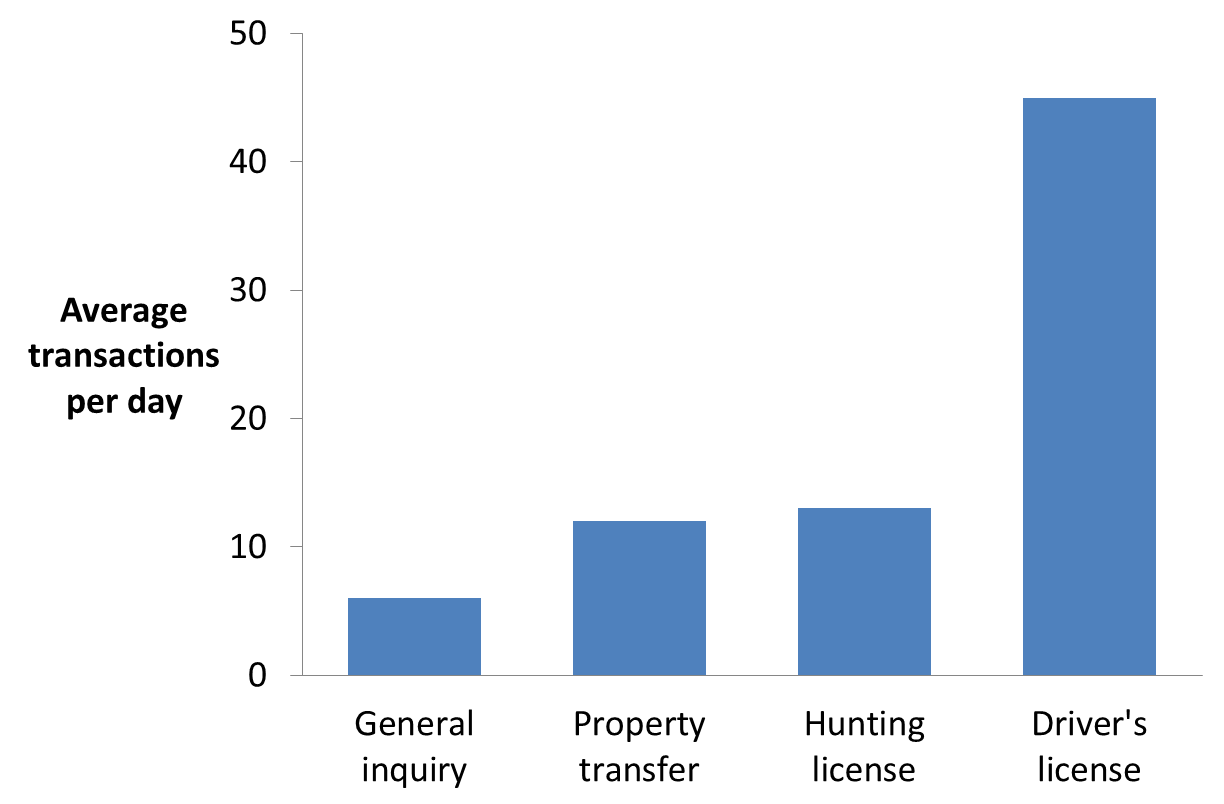
Column Graphs vs. Bar Charts When to choose each one Think Outside

When to Use Horizontal Bar Charts vs. Vertical Column Charts Depict
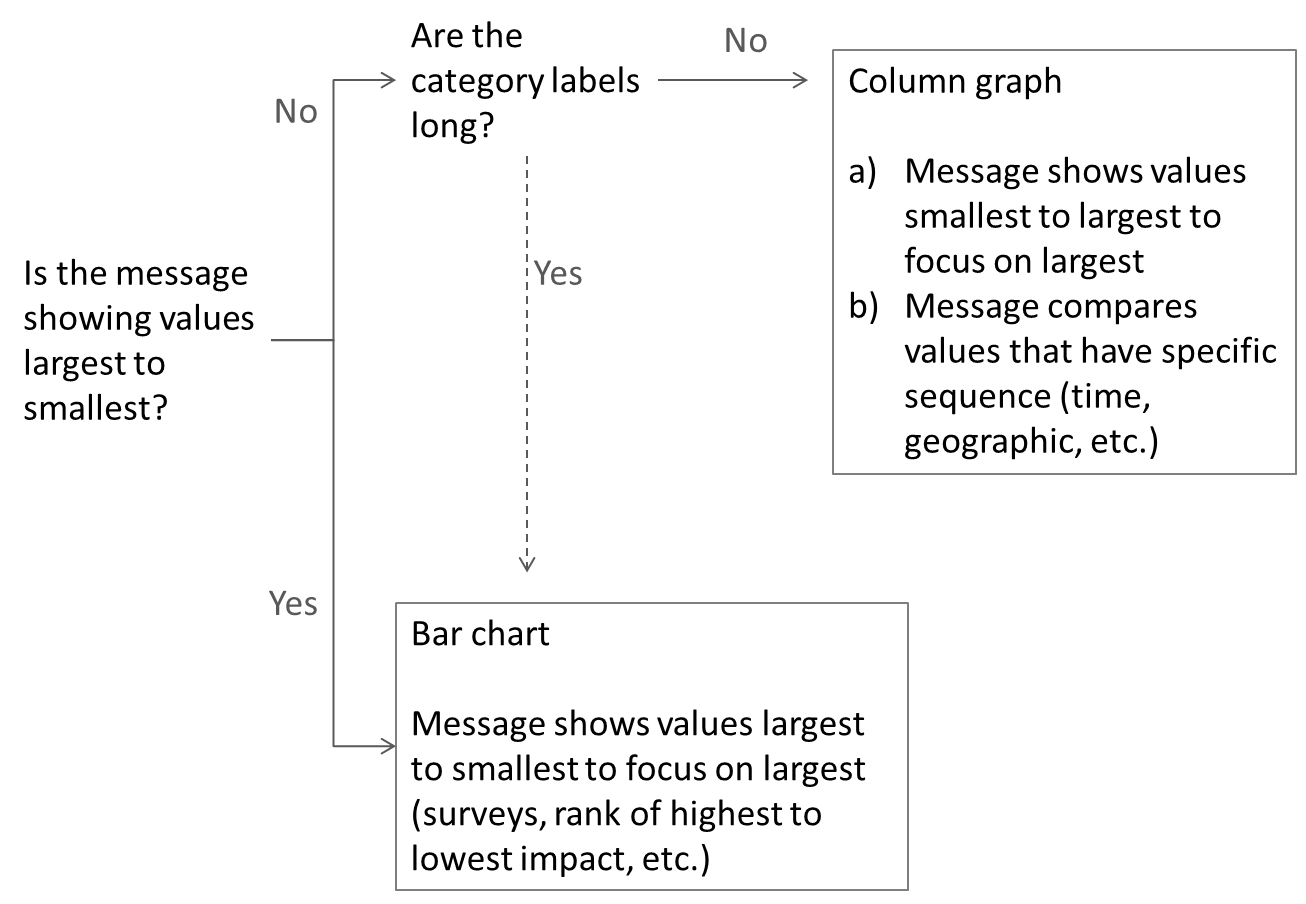
Column Graphs vs. Bar Charts When to choose each one Think Outside

Column Chart Bar Chart
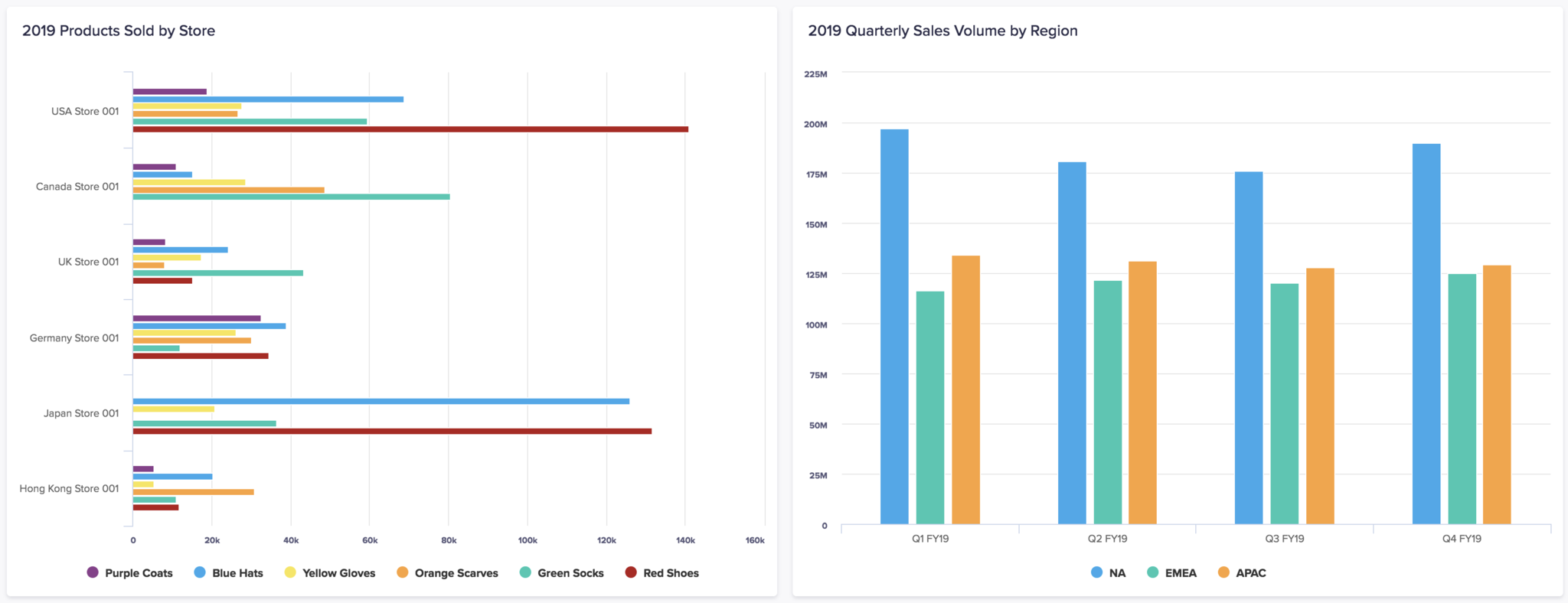
Column Vs Bar Chart
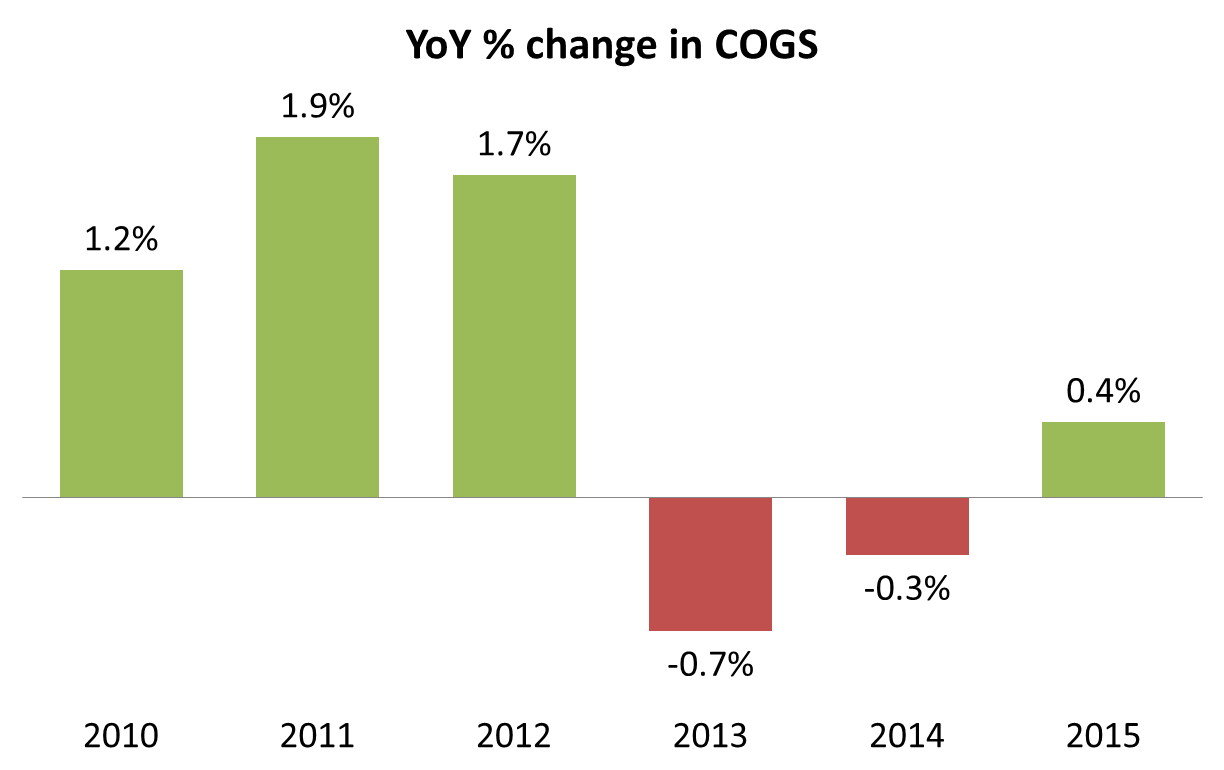
Column Chart Vs Bar Chart A Visual Reference of Charts Chart Master
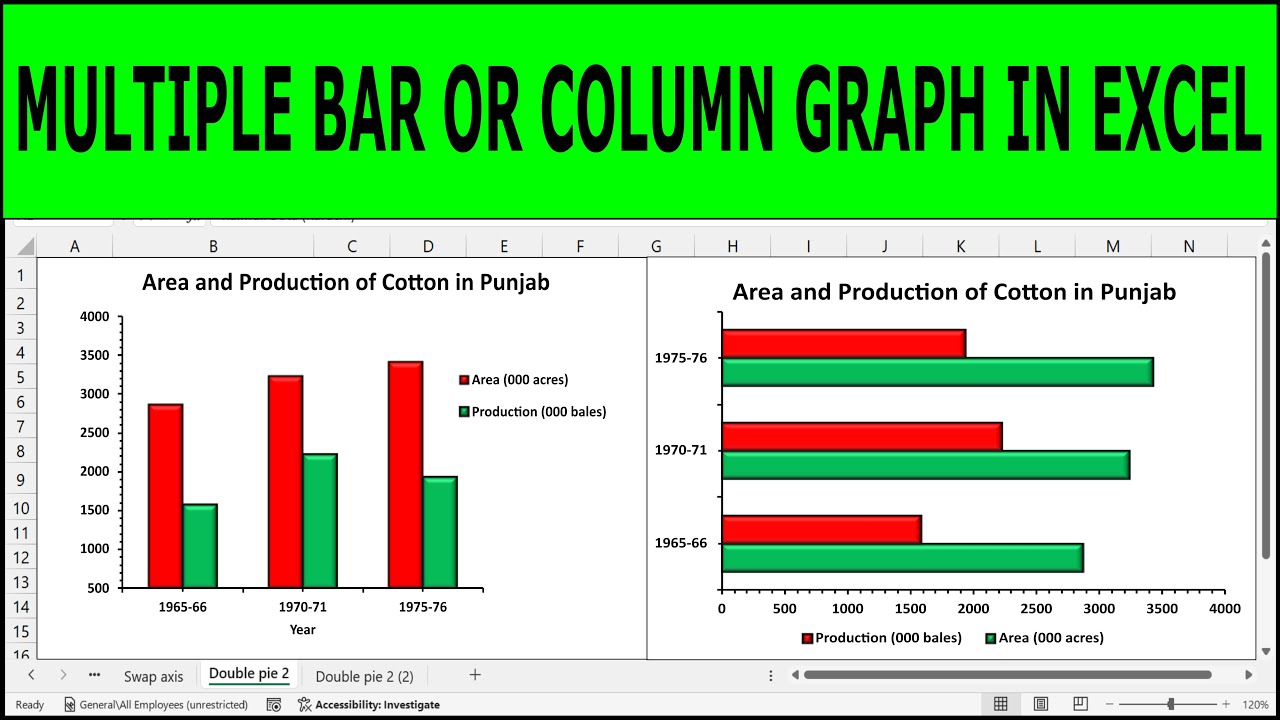
How to Make Multiple Bar and Column Graph in Excel Multiple Bar and
Web In My Experience I Have Found That There Are Two Scenarios Where A Column Graph Communicates The Message Better And One Scenario Where A Bar Chart Works Better.
Web Discover The Differences Between Bar Chart Vs Column Chart, And How To Choose The Right One For Your Data Visualization Needs.
The Only Difference Is That The Bar Chart Is Presented Horizontally (With Values On The X Axis And Categories On The Y Axis) While The Column Chart Is Represented Vertically (With Values On The Y Axis And.
Each Categorical Value Claims One Bar, And.
Related Post: