
Bulk Fermentation Chart
Bulk Fermentation Chart - Bulk fermentation timetables sorted by 75% rise time sorted by temperature group notes these fermentation timetables are based on multiple, actual observed batches at each combination of starter % and dough temperature in a highly controlled test environment. 74 to 78°f (23 to 25°c) typical duration: This process does not require machine or manual kneading or mixing to create dough strength, only stretch and folds, and time. Use a probe thermometer to test the internal temperature in the center of your. Web bulk fermenting in the fridge provides you with better control over the fermentation process and dough handling. These groundbreaking new tables, based on recent experiments, provide bakers with typical fermentation times at 20 data points between 66f/16c and 74f/22c. It is when the dough is fermented in bulk. Web others, like trevor wilson, distinguish bulk fermentation from bulk proof. We will deal with each of these in turn. A 100% rise at 70f/21c produces a much different result than a 100% rise at 80f/27c. Web bulk ferment (first prove) the bulk ferment, or first prove, is a crucial step in the bread baking process. Web measuring the dough temperature and percentage rise is the most accurate and repeatable method of determining the end of bulk fermentation. | how long does bulk fermentation last? | what is bulk fermentation? Web sourdough bread is made in six basic steps: Start your sourdough journey today! Web discover the secrets of achieving exceptional flavor, texture, and structure in your sourdough bread through careful management of the bulk fermentation phase. I also include photos below of various bulk fermentation stages. What is the impact of starter strength? Bulk fermentation timetables sorted by 75% rise time sorted by temperature group notes these fermentation timetables are based on multiple, actual observed batches at each combination of starter % and dough temperature in a highly controlled test environment. How long should it take for bulk fermentation at different dough temperatures and starter percentages? | what is bulk fermentation? Bulk fermentation timetables sorted by 75% rise time sorted by temperature group notes these fermentation timetables are based on multiple, actual observed batches at each combination of starter % and dough temperature in a highly controlled test environment. Web the. What is the impact of starter strength? | what is bulk fermentation? But, the dough temperature and percentage rise are inextricably linked. (or you can skip straight to the recipe for sourdough bread.). The cool temperature slows down the fermentation, giving you more time to shape the dough and reducing the risk of overproofing. Start your sourdough journey today! I also include photos below of various bulk fermentation stages. The cool temperature slows down the fermentation, giving you more time to shape the dough and reducing the risk of overproofing. Web appropriate bulk fermentation can help achieve the perfect airy crumb, and if this is what you want, stick around for the super easy. Bulk fermentation timetables sorted by 75% rise time sorted by temperature group notes these fermentation timetables are based on multiple, actual observed batches at each combination of starter % and dough temperature in a highly controlled test environment. How does temperature impact bulk fermentation? | what is bulk fermentation? But, the dough temperature and percentage rise are inextricably linked. Web. Web bulk fermentation, also known as the “first rise”, is a key stage of bread production. Web discover the secrets of achieving exceptional flavor, texture, and structure in your sourdough bread through careful management of the bulk fermentation phase. But, the dough temperature and percentage rise are inextricably linked. It is called bulk because in a bakery it is the. And as you develop a sense for how to execute on. (or you can skip straight to the recipe for sourdough bread.). This post includes two videos and discusses general timing, visual cues, and other things to look for. Web bulk fermentation is the stage after the dough has been mixed. | what to do during bulk fermentation? Web bulk fermenting in the fridge provides you with better control over the fermentation process and dough handling. We will deal with each of these in turn. Use a proofing chamber, if necessary, to keep a consistent dough temperature throughout bulk fermentation and continuously measure the dough temperature every 30. Web discover the secrets of achieving exceptional flavor, texture, and. Web appropriate bulk fermentation can help achieve the perfect airy crumb, and if this is what you want, stick around for the super easy guide. Web bulk fermentation at warmer temperatures encourages strong yeast and bacterial fermentation that results in an active and flavorful bread dough. A 100% rise at 70f/21c produces a much different result than a 100% rise. Over 60 tests were performed with high levels of. However, measuring the bulk fermentation cutoff based on time is the worst method for determining when bulk fermentation is finished. Web bulk ferment (first prove) the bulk ferment, or first prove, is a crucial step in the bread baking process. 74 to 78°f (23 to 25°c) typical duration: Web sourdough bread. Bulk fermentation timetables sorted by 75% rise time sorted by temperature group notes these fermentation timetables are based on multiple, actual observed batches at each combination of starter % and dough temperature in a highly controlled test environment. Web the interesting thing to notice is that a 20g:30g:30g feeding at 65f peaks in around 12 hours but a 1g:100g:100g feeding. | what to do during bulk fermentation? Web bulk fermenting in the fridge provides you with better control over the fermentation process and dough handling. How does temperature impact bulk fermentation? 74 to 78°f (23 to 25°c) typical duration: | what is bulk fermentation? The cool temperature slows down the fermentation, giving you more time to shape the dough and reducing the risk of overproofing. But, the dough temperature and percentage rise are inextricably linked. Start your sourdough journey today! Web the bulk fermentation phase of sourdough bread making is critical for establishing the dough’s strength, flexibility, flavor, and final texture. Web measuring the dough temperature and percentage rise is the most accurate and repeatable method of determining the end of bulk fermentation. Use a proofing chamber, if necessary, to keep a consistent dough temperature throughout bulk fermentation and continuously measure the dough temperature every 30. What is the impact of starter strength? (or you can skip straight to the recipe for sourdough bread.). We will deal with each of these in turn. These groundbreaking new tables, based on recent experiments, provide bakers with typical fermentation times at 20 data points between 66f/16c and 74f/22c. Web generally, a temperature range of 70°f to 80°f (21°c to 27°c) is ideal for bulk fermentation.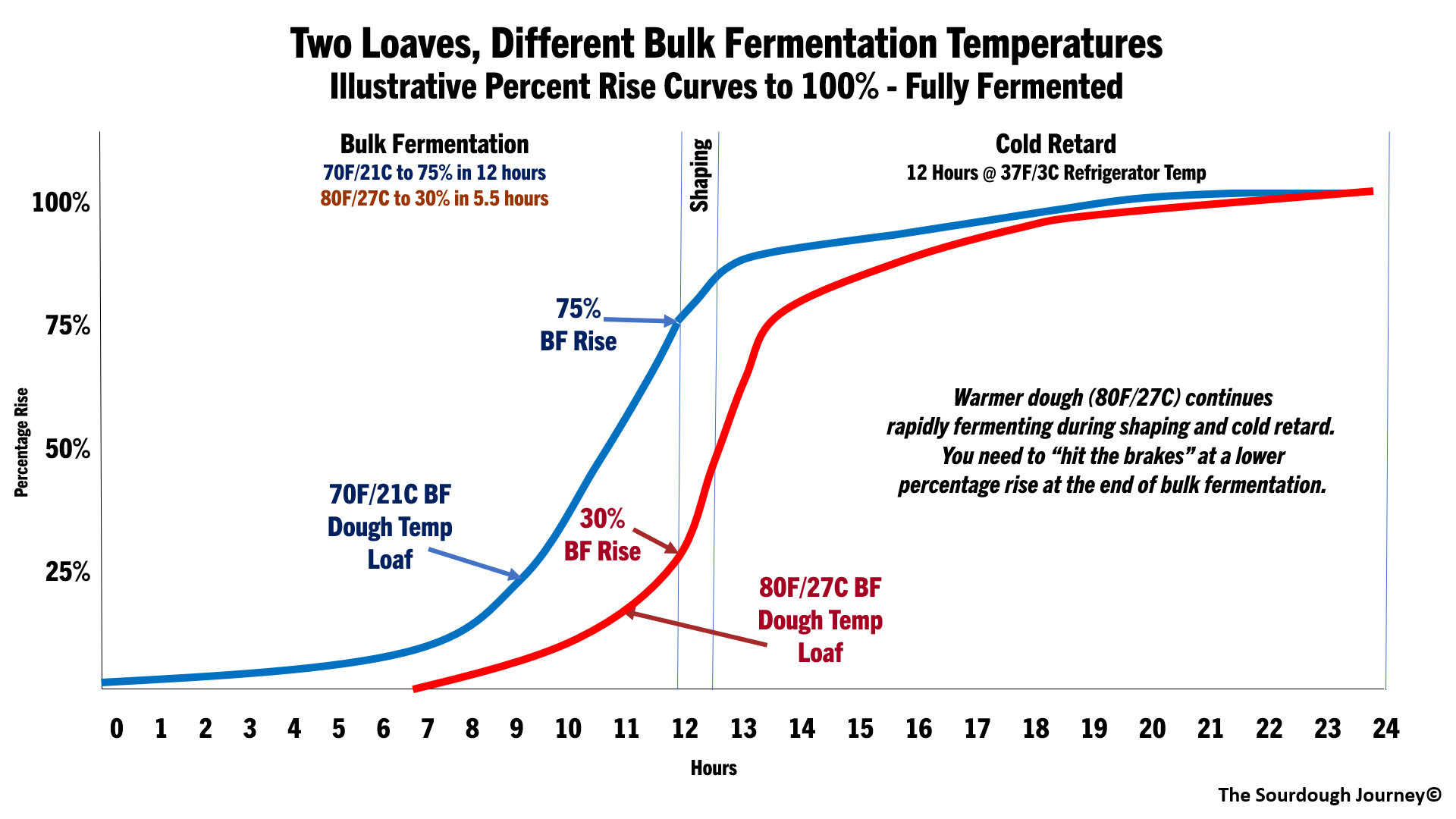
The Mystery of Percentage Rise in Bulk Fermentation The Sourdough Journey
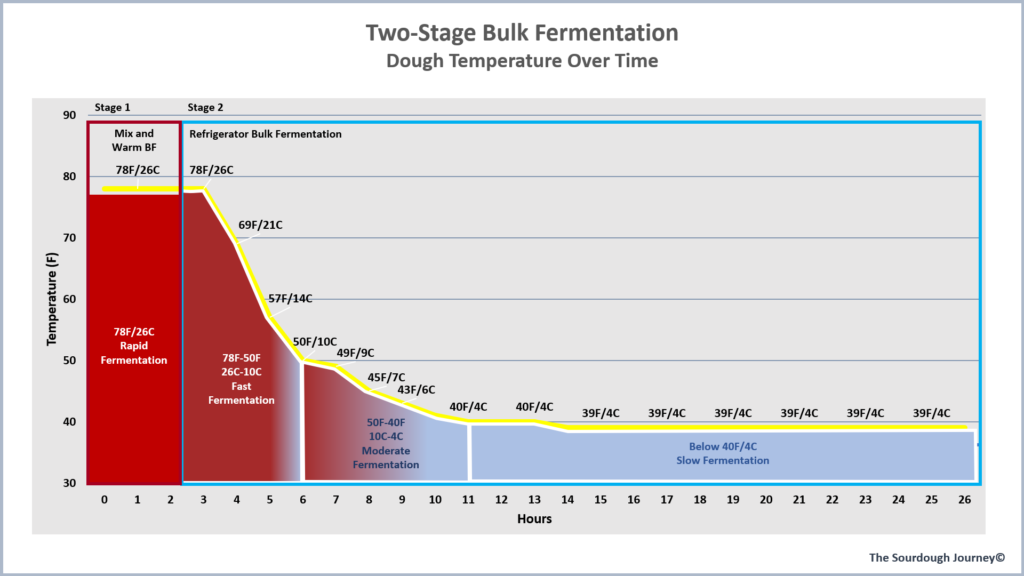
What is TwoStage Bulk Fermentation? The Sourdough Journey
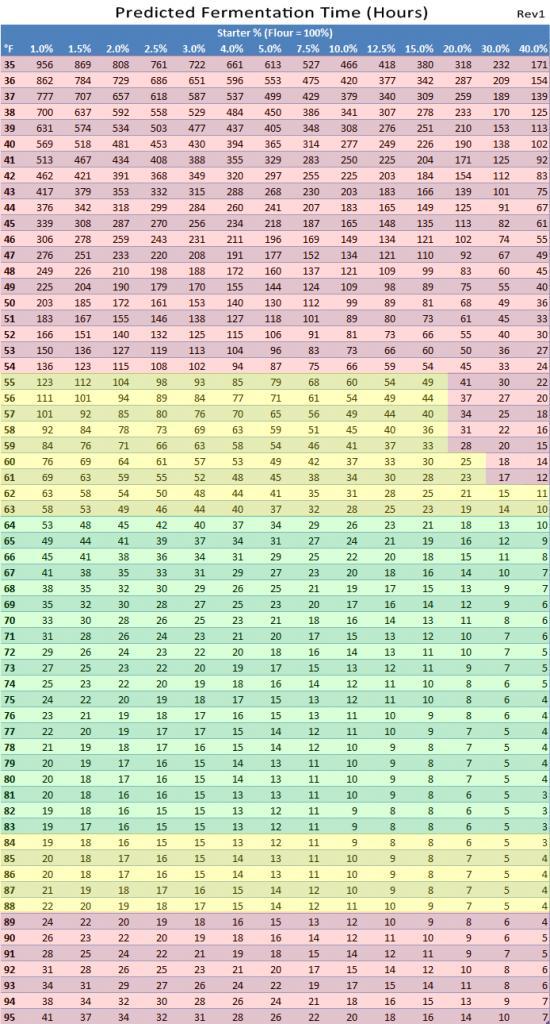
Bulk fermentation experiment The Fresh Loaf
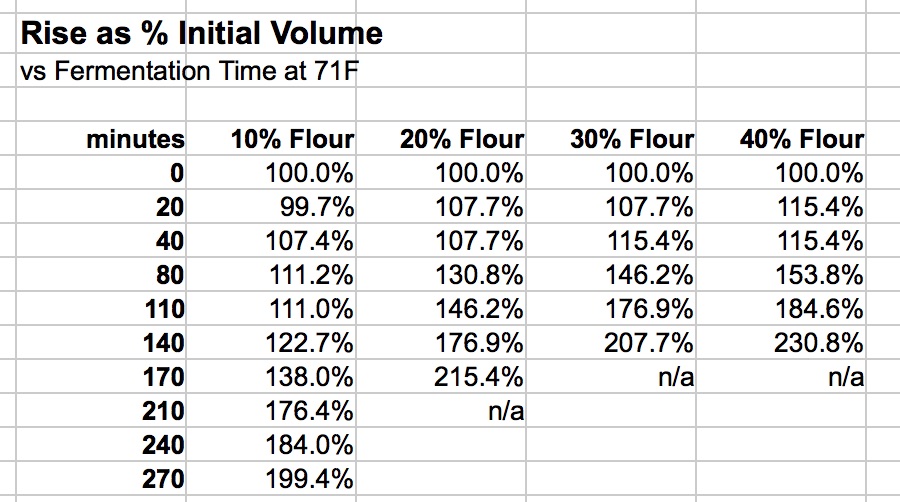
Sourdough Rise Data The Fresh Loaf
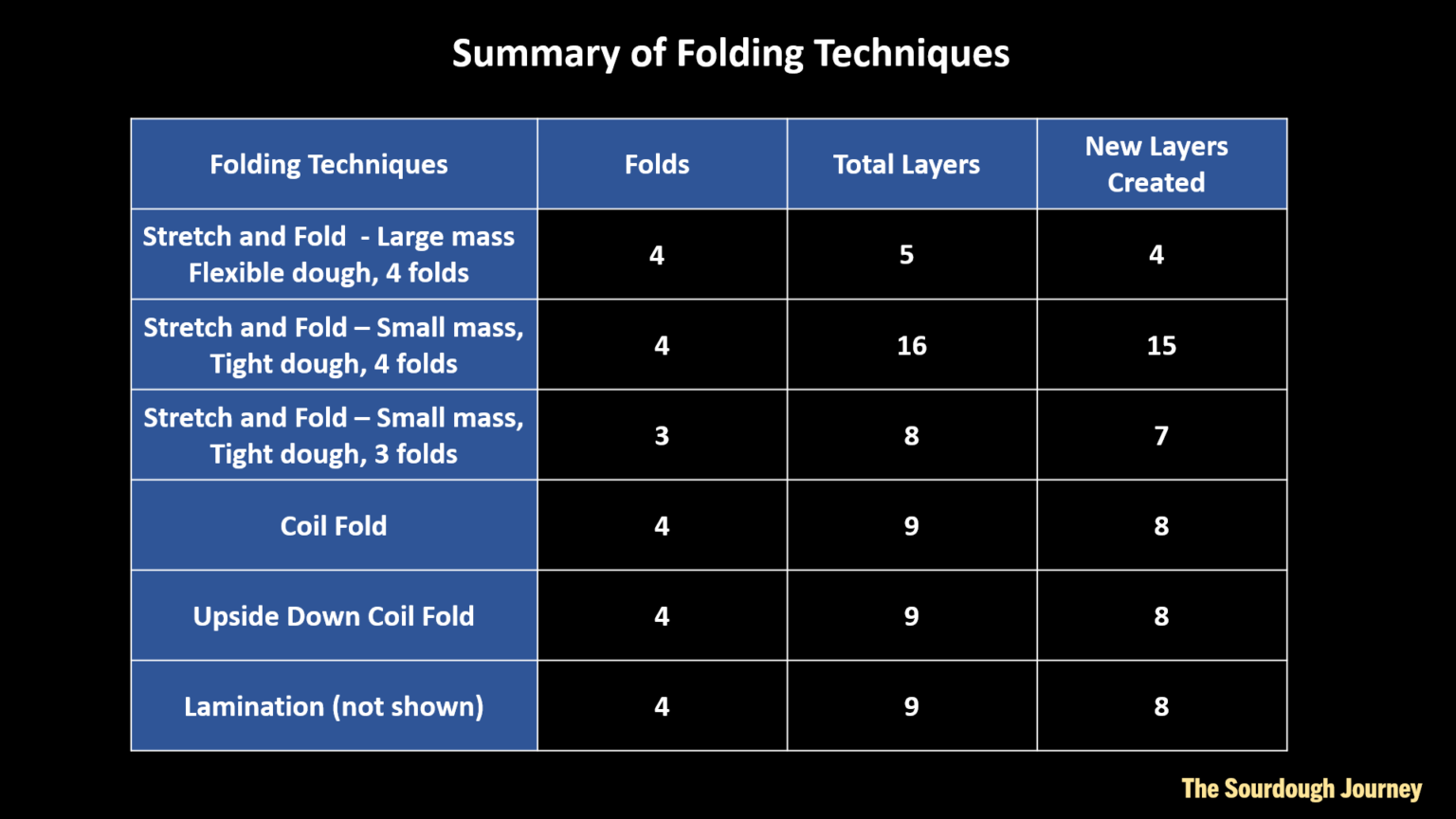
FAQ Bulk Fermentation Handling The Sourdough Journey
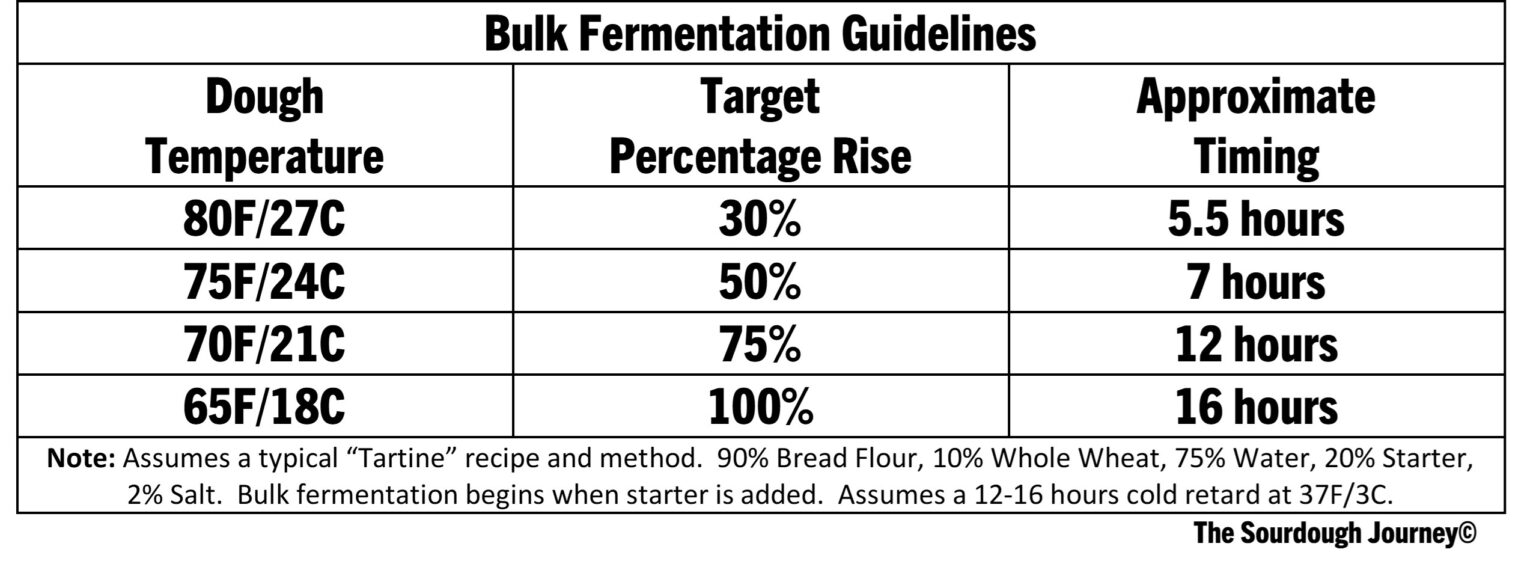
The Mystery of Percentage Rise in Bulk Fermentation The Sourdough Journey

This Brine Chart has the applications at the bottom, and a grid for
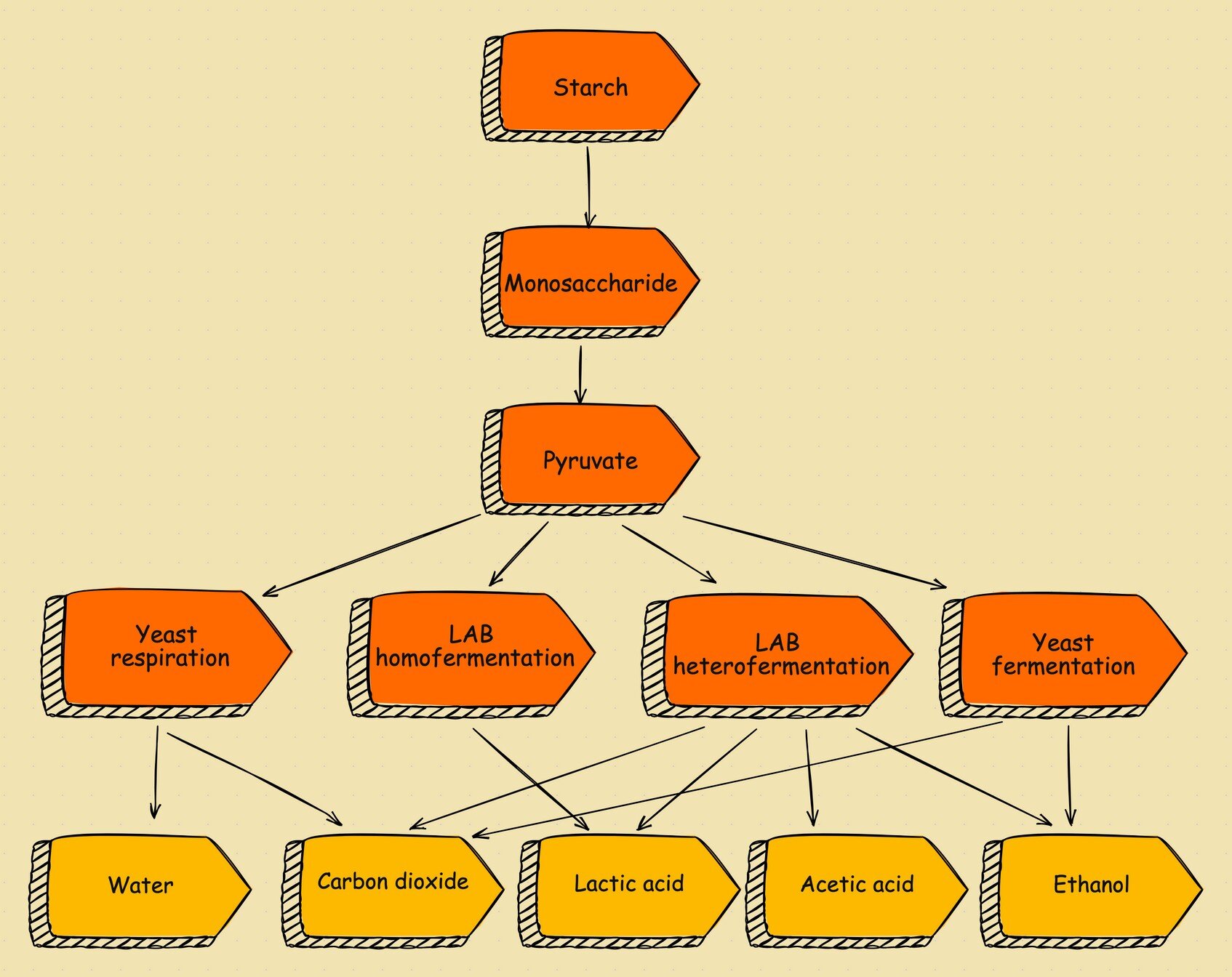
Bulk Fermentation Explained Why Proof Bread Twice? Busby's
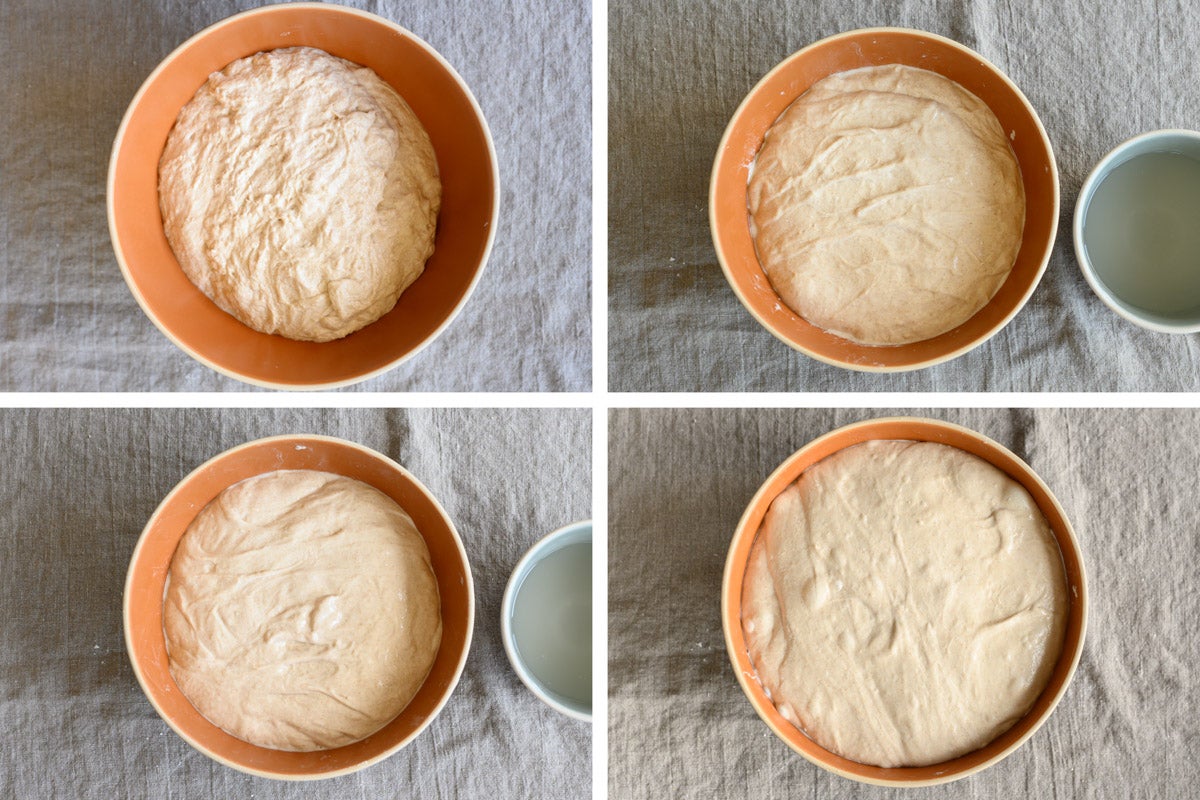
Bulk fermentation, explained King Arthur Baking
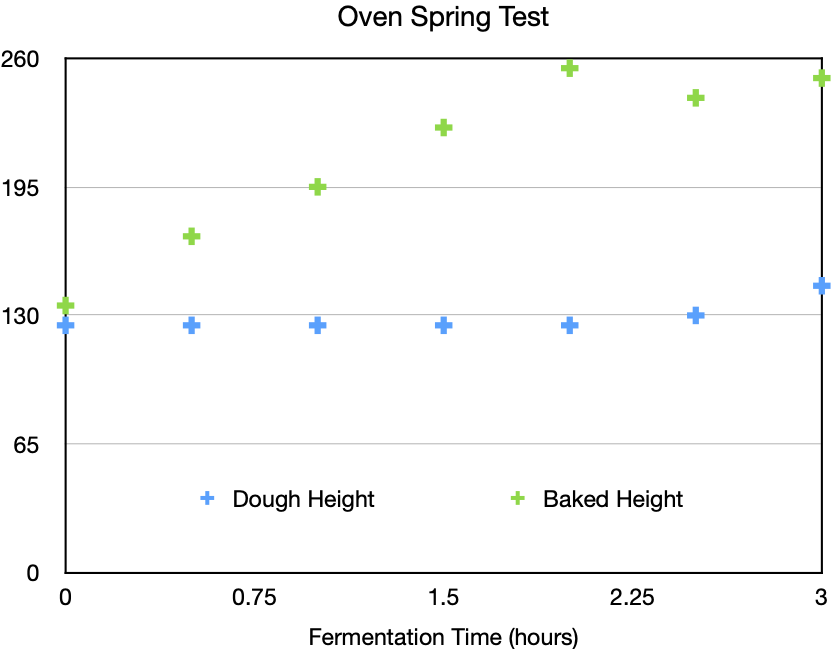
Oven Spring, Bulk Fermentation, and an Experiment The Fresh Loaf
And As You Develop A Sense For How To Execute On.
Web Bulk Fermentation Is The Stage After The Dough Has Been Mixed.
However, Measuring The Bulk Fermentation Cutoff Based On Time Is The Worst Method For Determining When Bulk Fermentation Is Finished.
It Is When The Dough Is Fermented In Bulk.
Related Post: