
Canning Elevation Chart
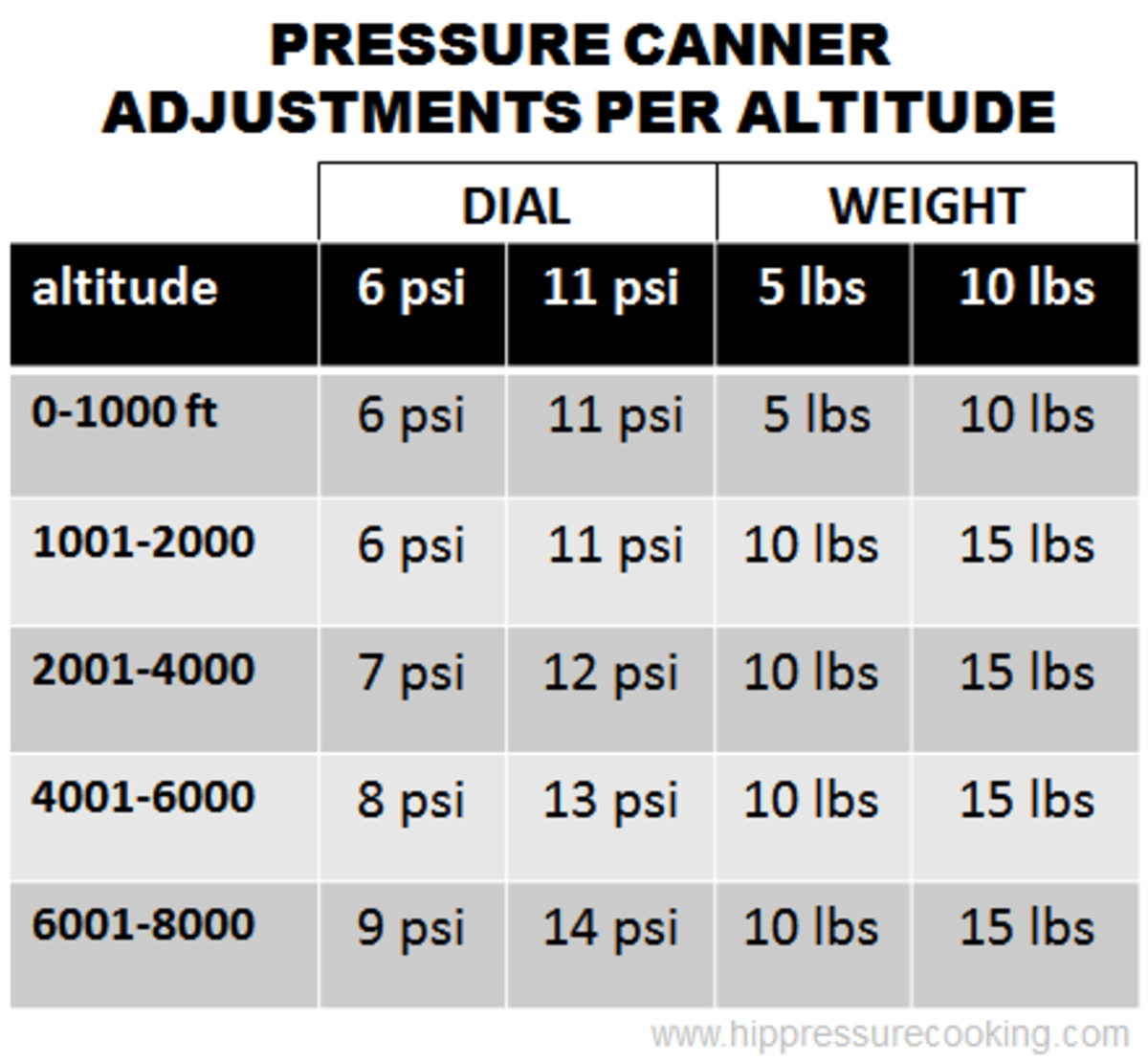
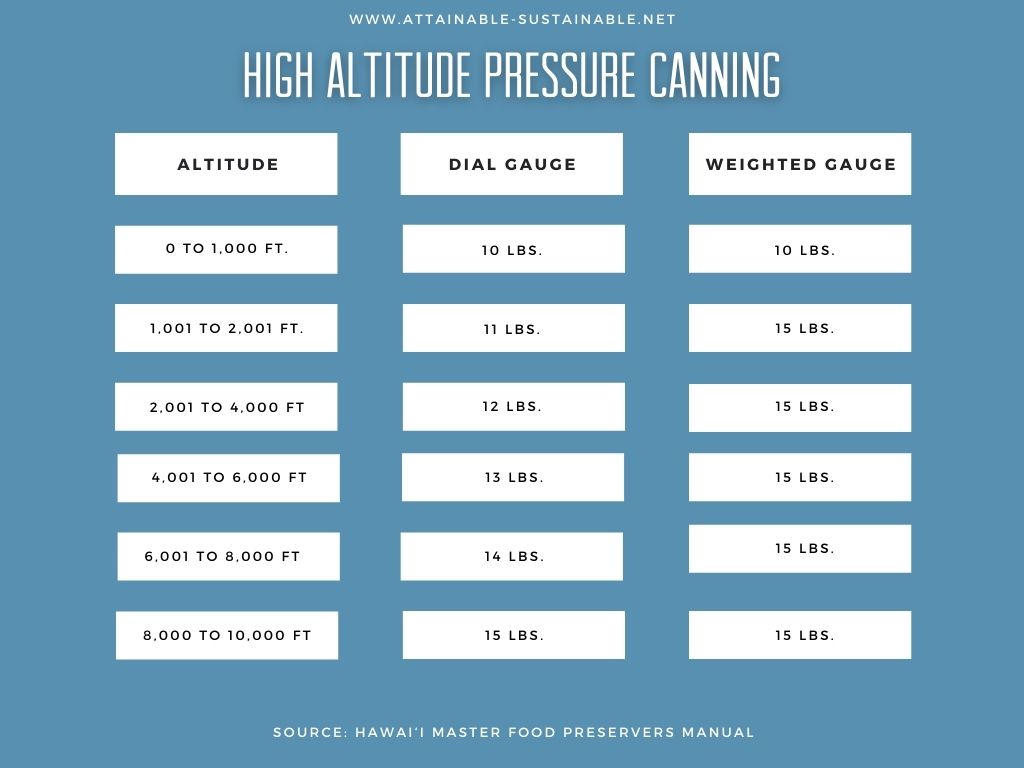
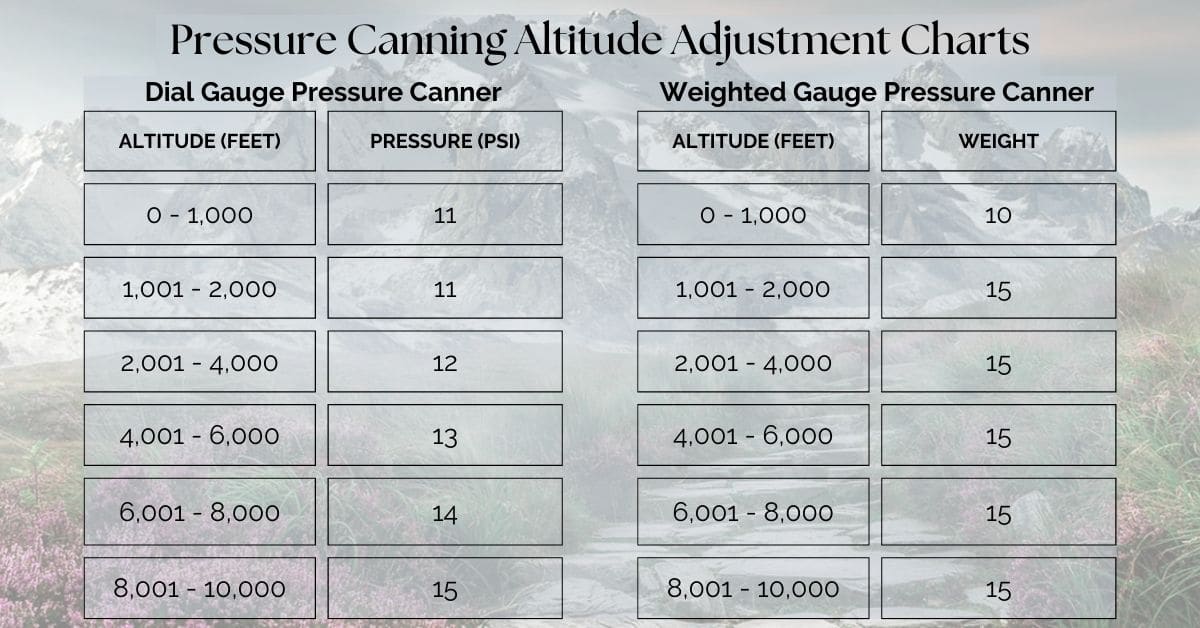
Canning Elevation Chart - Did you know that your elevation affects the process of canning preserves? Just follow these charts to determine how to adjust your recipe for altitude. As your altitude goes above 1,000 feet above sea level, the atmospheric pressure is reduced. Learn how to make adjustments. But we’ll make it easy for you. Web at 2,000 feet above sea level, the u.s. What being on a higher altitude means, is that you have to adjust for water bath and pressure canning because the atmospheric pressure is reduced. Web canning recipes are typically based on an altitude of less than 1000 feet (305 meters) above sea level. Take your home's altitude into consideration when canning jams, preserves, or vegetables by making these easy adjustments. Web use these altitude adjustment charts so that you process your food at the correct pressure and for the correct length of time for your altitude. As your altitude goes above 1,000 feet above sea level, the atmospheric pressure is reduced. Web in home canning, you must account for altitude affecting your processing when you are higher than 300 metres (1000 feet). Your altitude determines the amount of pressure (pressure canner) or time (boiling water canner) for your food. The rule of thumb is that you need an additional 1/2 pound of pressure for every 1,000 feet you are above sea level. Web when pressure canning, the total processing time per recipe remains the same but the pounds of pressure must be adjusted based on the number of feet you are above sea level. Why do you need to adjust for altitude when canning? Web the following charts represent the pressure required at your altitude to reach 240 f / 115 c inside your canner. How to find your altitude. If you are preserving at an altitude higher than 1,000 feet above sea level, adjust pressure pounds as indicated. Learn how to make adjustments. Because the lower temperatures are less effective for killing bacteria, the processing time must be increased for boiling water bath canning. Web canning techniques rely on proper boiling temperatures and times, and a pressure canner altitude chart is a valuable tool in determining how long to process food in order to preserve and store it safely. Why do you need. Resources to find your altitude. Peach habanero jam processes for 10 minutes. They also suggest adding a pound of pressure for. Web when pressure canning, the total processing time per recipe remains the same but the pounds of pressure must be adjusted based on the number of feet you are above sea level. So, if you live in a lower. I’ll dive deeper into that topic in a bit. For pressure canning, the pressure is increased. Web necessary canning adjustments for high altitudes. Web canning techniques rely on proper boiling temperatures and times, and a pressure canner altitude chart is a valuable tool in determining how long to process food in order to preserve and store it safely. Processing time. The rule of thumb is that you need an additional 1/2 pound of pressure for every 1,000 feet you are above sea level. You don't need to increase the processing time, only the amount of pressure used. These charts make the adjustments easy. Web use these altitude adjustment charts so that you process your food at the correct pressure and. If you live above 1,000 feet, you also have to adjust the amount of pressure you apply during pressure canning. In wyoming, community altitudes range in elevation from over 3,500 feet to 7,200 feet above sea level. Did you know that your elevation affects the process of canning preserves? What being on a higher altitude means, is that you have. Why do you need to adjust for altitude when canning? They also suggest adding a pound of pressure for. Web pressure canning altitude chart. Web check out the handy canning altitude charts below for water bath canning and pressure canning to help ensure that all of your home canned foods are safe! So, if you live in a lower altitude,. Web adjust for high altitude canning. In wyoming, community altitudes range in elevation from over 3,500 feet to 7,200 feet above sea level. They also suggest adding a pound of pressure for. However, many people are unaware that they are in an elevation above 1,000 feet. You don't need to increase the processing time, only the amount of pressure used. Web home canning at high altitude above 1,000 feet requires careful adjustments to your recipe. For pressure canning, the pressure is increased. Resources to find your altitude. Web altitude adjustments for canning depend on your elevation and the type of canning. Web adjust for high altitude canning. If you are canning at an altitude higher than 1,000 feet above sea level, adjust pressure canner pounds as indicated below. Web canning techniques rely on proper boiling temperatures and times, and a pressure canner altitude chart is a valuable tool in determining how long to process food in order to preserve and store it safely. Web home canning at. Just follow these charts to determine how to adjust your recipe for altitude. Web rather than increasing time, for pressure canning, pounds of pressure is increased. If you are preserving at an altitude higher than 1,000 feet above sea level, adjust pressure pounds as indicated. Peach habanero jam processes for 10 minutes. At 1,000 feet, it boils at 210°f; Web altitude adjustments for canning depend on your elevation and the type of canning. Web necessary canning adjustments for high altitudes. Web a guide to high altitude canning. Take your home's altitude into consideration when canning jams, preserves, or vegetables by making these easy adjustments. Web when home canning foods, it is essential to know your local altitude or elevation. So, if you live in a lower altitude, you don’t need to adapt canning recipes. What being on a higher altitude means, is that you have to adjust for water bath and pressure canning because the atmospheric pressure is reduced. For pressure canning, the pressure is increased. These charts make the adjustments easy. The rule of thumb is that you need an additional 1/2 pound of pressure for every 1,000 feet you are above sea level. You don't need to increase the processing time, only the amount of pressure used. Web use these altitude adjustment charts so that you process your food at the correct pressure and for the correct length of time for your altitude. Resources to find your altitude. Web rather than increasing time, for pressure canning, pounds of pressure is increased. Why do you need to adjust for altitude when canning? Web check out the handy canning altitude charts below for water bath canning and pressure canning to help ensure that all of your home canned foods are safe!
the front and back side of a beer bottle label for altitude chart, with

Pressure Canning Psi Chart
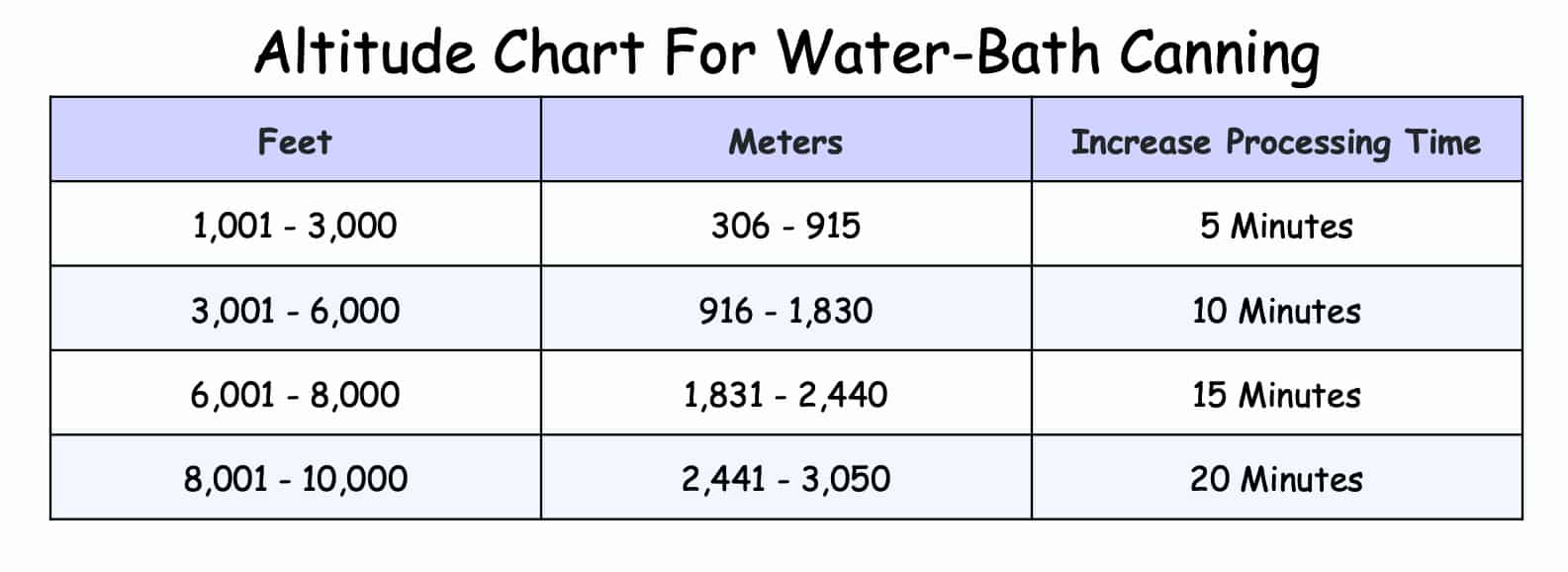
Altitude Chart For Waterbath Canning Plum
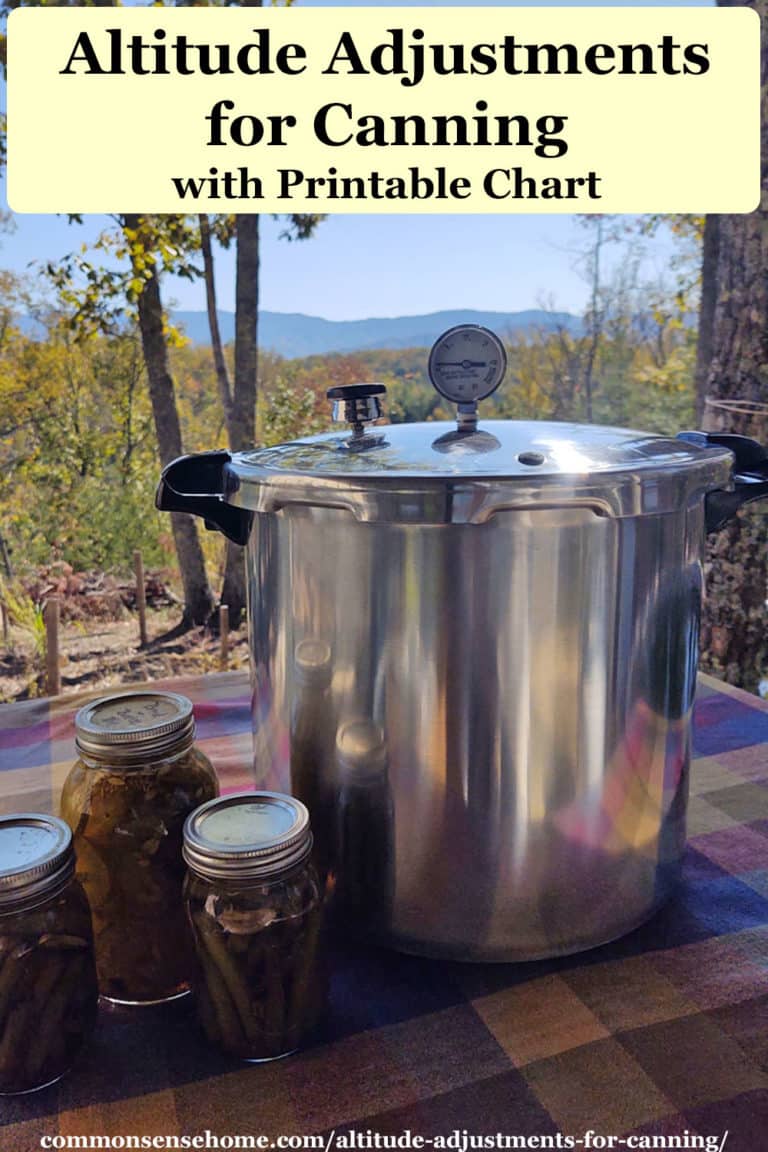
Altitude Adjustments for Canning (Includes Printable Chart)
How to PressureCan Goat's Milk A StepbyStep Photo Guide Delishably

Pressure Canning Elevation Chart
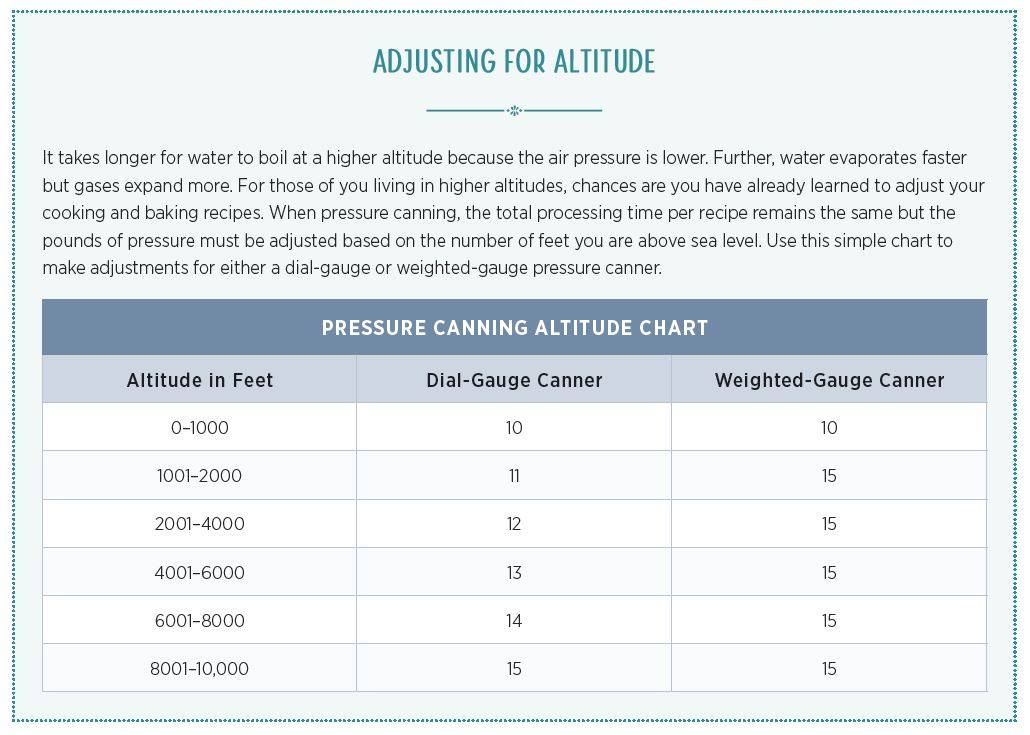
Pressure Canning Times Chart
Embrace Pressure Canning to Stock a Pantry Attainable Sustainable®
Pressure Canning with Confidence A Basic Guide Bramble Wine Cottage

How to Pressure Can Green Beans Easy Raw Pack Method
Web Here’s The Guide For Making These Adjustments.
Check The Tables Below For Adjustments Based On Your Altitude.
Web In Home Canning, You Must Account For Altitude Affecting Your Processing When You Are Higher Than 300 Metres (1000 Feet).
Web The Following Charts Represent The Pressure Required At Your Altitude To Reach 240 F / 115 C Inside Your Canner.
Related Post: