
Crosswind Component Chart
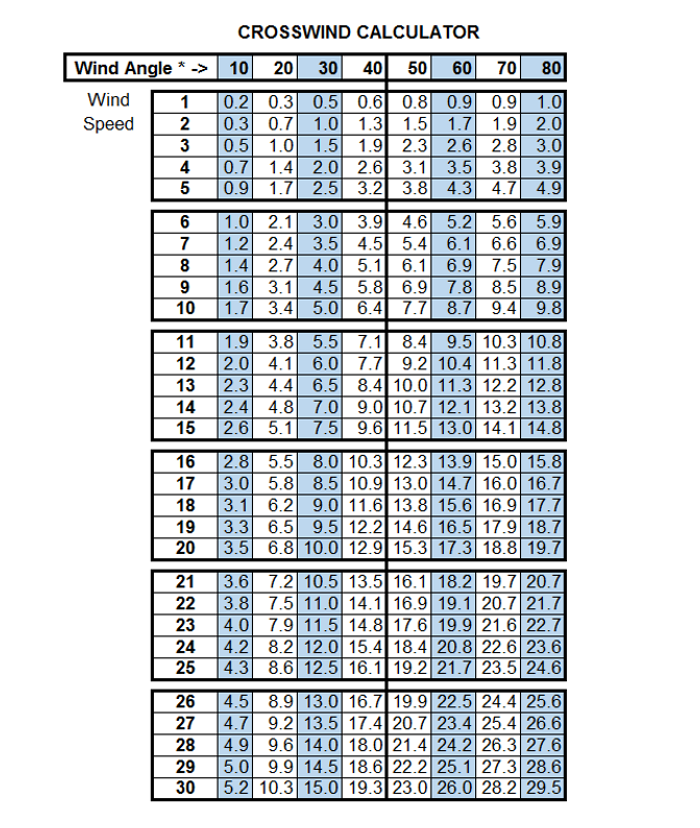
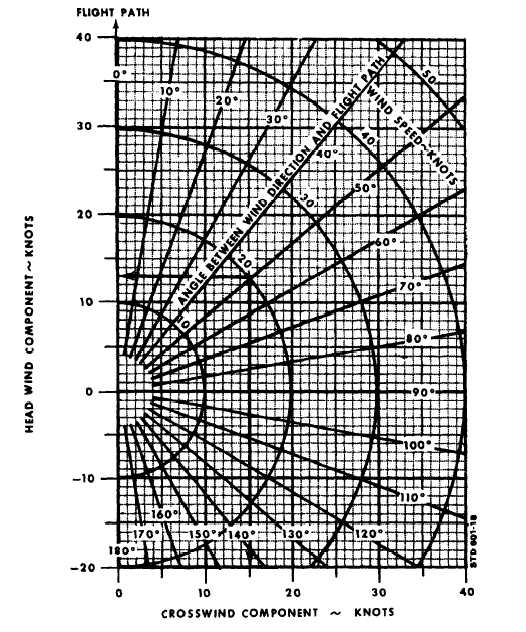
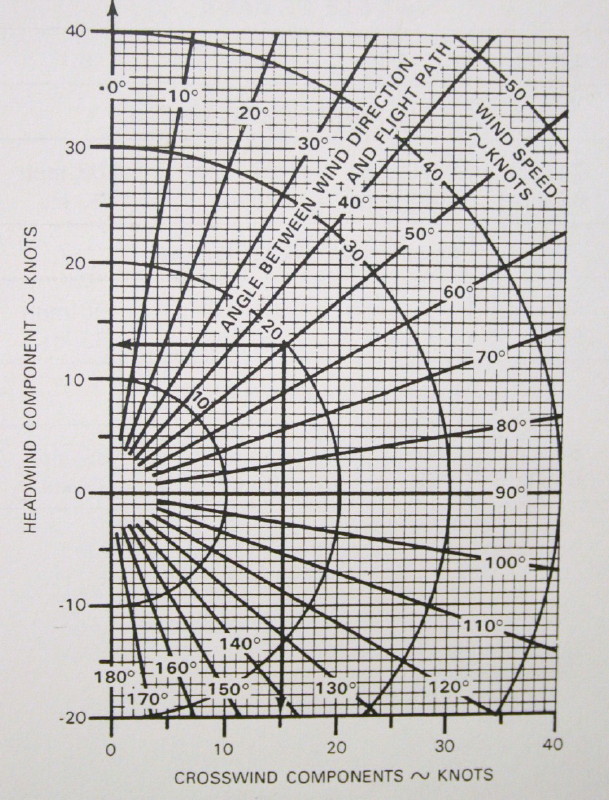
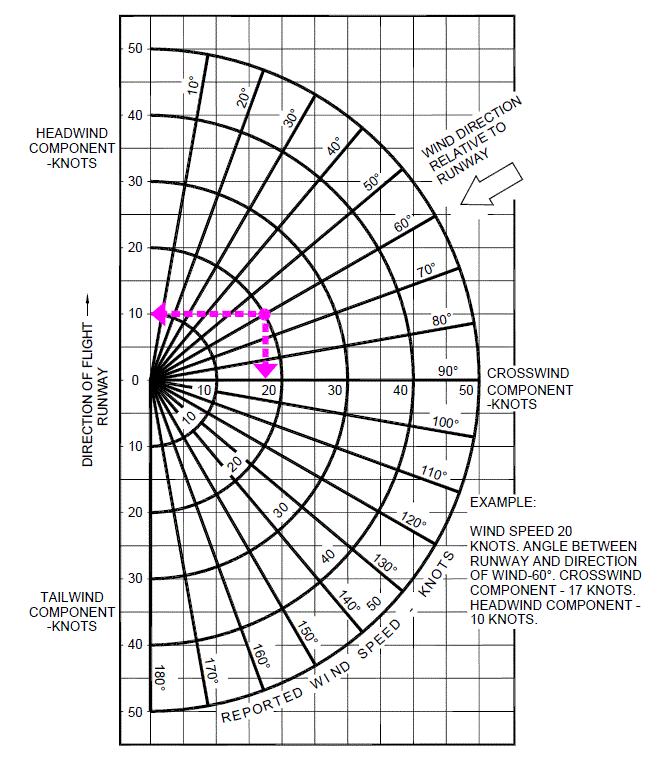
Crosswind Component Chart - Winds are 270 at 10 kt., follow the 30̊ line down to 10 knots on the arc). Whether you are a pilot, van driver, or race cyclist, you need to take crosswinds into account to travel safely. This is a compass bearing denoting the direction from which the wind is coming. Web cross wind component graph directions: The bearing relative to the aircraft is one factor in determining the strength of the component. Web understanding the crosswind component chart can help improve proficiency, enabling pilots to navigate challenging crosswind landings. Web the aerotoolbox crosswind calculator can be used to quickly determine the parallel and crosswind components of the wind relative to the runway. 1) determine the angle between the wind and the runway (ex. Now you can put away your calculator, and focus on landing. Web use this quick equation to easily calculate the crosswind component in your head while flying. Now you can put away your calculator, and focus on landing. 1) determine the angle between the wind and the runway (ex. Web understanding the crosswind component chart can help improve proficiency, enabling pilots to navigate challenging crosswind landings. Your headwind component and the crosswind component for takeoff and landing can be calculated by using a crosswind component chart like the one below: When you're on the ground, it's easy to use the crosswind chart in your poh, or an e6b. Whether you are a pilot, van driver, or race cyclist, you need to take crosswinds into account to travel safely. Winds are 270 at 10 kt., follow the 30̊ line down to 10 knots on the arc). Web you need three pieces of information to calculate the crosswind component: This is a compass bearing denoting the direction from which the wind is coming. Web estimating your crosswind component. Web understanding the crosswind component chart can help improve proficiency, enabling pilots to navigate challenging crosswind landings. 270 is the wind direction, 230 is the runway alignment, the angle is 40). The ability to adapt to varying wind conditions, even when the wind is blowing in the same direction as the runway, highlights a pilot's capabilities. 2) follow that line. Whether you are a pilot, van driver, or race cyclist, you need to take crosswinds into account to travel safely. Your headwind component and the crosswind component for takeoff and landing can be calculated by using a crosswind component chart like the one below: Winds are 270 at 10 kt., follow the 30̊ line down to 10 knots on the. This is a compass bearing denoting the direction from which the wind is coming. Whether you are a pilot, van driver, or race cyclist, you need to take crosswinds into account to travel safely. Now you can put away your calculator, and focus on landing. Web estimating your crosswind component. Web you need three pieces of information to calculate the. Now you can put away your calculator, and focus on landing. 1) determine the angle between the wind and the runway (ex. The ability to adapt to varying wind conditions, even when the wind is blowing in the same direction as the runway, highlights a pilot's capabilities. Web understanding the crosswind component chart can help improve proficiency, enabling pilots to. 1) determine the angle between the wind and the runway (ex. Web use this quick equation to easily calculate the crosswind component in your head while flying. This is a compass bearing denoting the direction from which the wind is coming. 2) follow that line down to the correct wind speed using the arc (ex. Web understanding the crosswind component. Web understanding the crosswind component chart can help improve proficiency, enabling pilots to navigate challenging crosswind landings. Your headwind component and the crosswind component for takeoff and landing can be calculated by using a crosswind component chart like the one below: This is a compass bearing denoting the direction from which the wind is coming. Winds are 270 at 10. Now you can put away your calculator, and focus on landing. The ability to adapt to varying wind conditions, even when the wind is blowing in the same direction as the runway, highlights a pilot's capabilities. Web the crosswind calculator can help you find the crosswind, headwind, and tailwind components of the blowing wind. Web use this quick equation to. 2) follow that line down to the correct wind speed using the arc (ex. 1) determine the angle between the wind and the runway (ex. Winds are 270 at 10 kt., follow the 30̊ line down to 10 knots on the arc). Web use this quick equation to easily calculate the crosswind component in your head while flying. Web estimating. Web use this quick equation to easily calculate the crosswind component in your head while flying. The ability to adapt to varying wind conditions, even when the wind is blowing in the same direction as the runway, highlights a pilot's capabilities. The bearing relative to the aircraft is one factor in determining the strength of the component. Winds are 270. 270 is the wind direction, 230 is the runway alignment, the angle is 40). Web the crosswind calculator can help you find the crosswind, headwind, and tailwind components of the blowing wind. Whether you are a pilot, van driver, or race cyclist, you need to take crosswinds into account to travel safely. Web estimating your crosswind component. The bearing relative. The bearing relative to the aircraft is one factor in determining the strength of the component. Web use this quick equation to easily calculate the crosswind component in your head while flying. Web cross wind component graph directions: When you're on the ground, it's easy to use the crosswind chart in your poh, or an e6b. Web the aerotoolbox crosswind calculator can be used to quickly determine the parallel and crosswind components of the wind relative to the runway. Whether you are a pilot, van driver, or race cyclist, you need to take crosswinds into account to travel safely. The ability to adapt to varying wind conditions, even when the wind is blowing in the same direction as the runway, highlights a pilot's capabilities. Now you can put away your calculator, and focus on landing. 270 is the wind direction, 230 is the runway alignment, the angle is 40). Web you need three pieces of information to calculate the crosswind component: Your headwind component and the crosswind component for takeoff and landing can be calculated by using a crosswind component chart like the one below: This is a compass bearing denoting the direction from which the wind is coming. Web understanding the crosswind component chart can help improve proficiency, enabling pilots to navigate challenging crosswind landings. Web estimating your crosswind component.
Printable Crosswind Component Chart

Interpreting Wind Components Gleim Aviation

Printable Crosswind Component Chart
Cross Wind Component Chart
Crosswind Component Chart

Printable Crosswind Component Chart
How To Read A Crosswind Component Chart

Crosswind Calculator Matthew Waugh
Touring Machine Company » Blog Archive » Crosswind Component

Crosswind Component Chart.pdf
2) Follow That Line Down To The Correct Wind Speed Using The Arc (Ex.
1) Determine The Angle Between The Wind And The Runway (Ex.
Winds Are 270 At 10 Kt., Follow The 30̊ Line Down To 10 Knots On The Arc).
Web The Crosswind Calculator Can Help You Find The Crosswind, Headwind, And Tailwind Components Of The Blowing Wind.
Related Post: