
Embryo Quality Chart
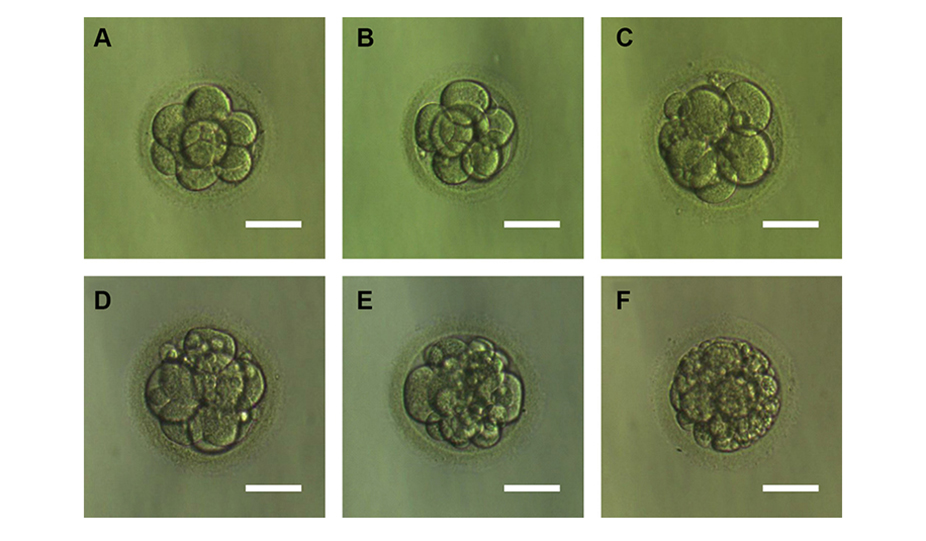
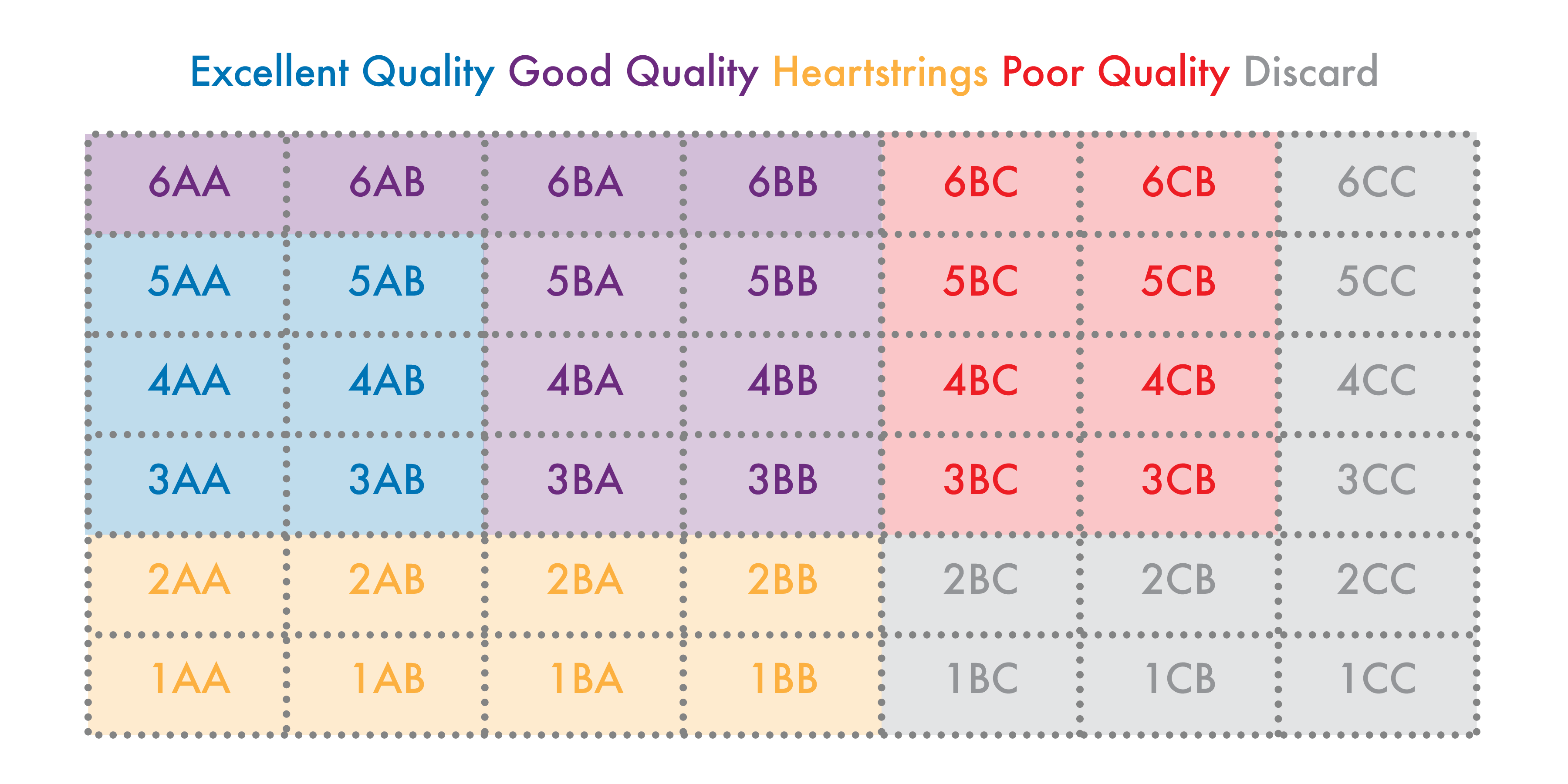
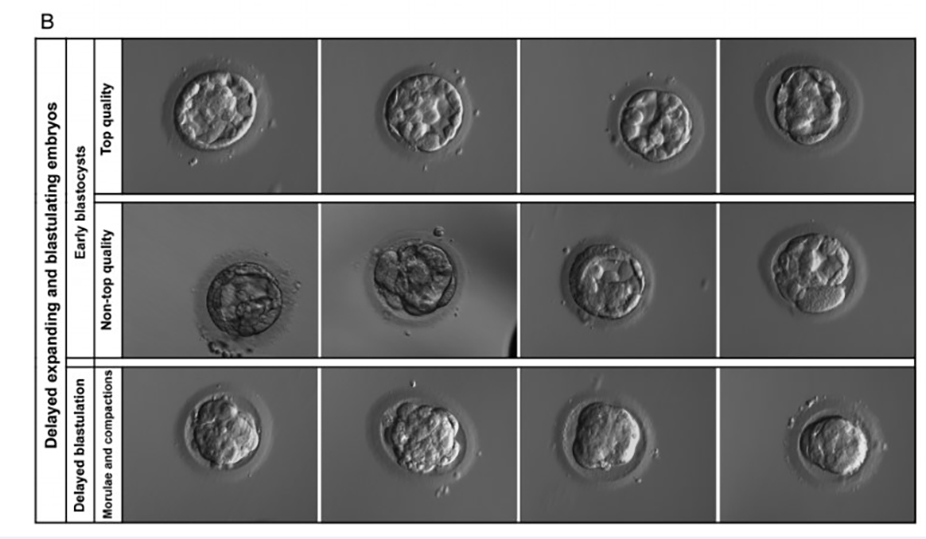
Embryo Quality Chart - Not subjective — 8 or higher is ideal) quality of cells. Can you pregnant with c and d scored embryos? What is the usual quality of frozen. Many fertility clinics use a basic grading chart to determine the sizes and condition of the cells. How does embryo selection work? By day 5, it’s known as a blastocyst or a day 5 embryo. Reproduction is a complex process, and embryo quality obviously doesn’t encompass all of the key factors involved. Web the embryo grading chart. A is excellent quality, b is good quality, c is fair quality, and d is poor quality. Web to understand the quality of your embryos, you can refer to this simple chart: Many fertility clinics use a basic grading chart to determine the sizes and condition of the cells. Some are slow to develop and take longer to become blastocysts (while others simply stagnate and don’t develop further). Web there’s a reason embryos are graded. Embryos that are very slow growing or stop growing altogether are unlikely to develop. What is the usual quality of frozen. By day 5, it’s known as a blastocyst or a day 5 embryo. So, we've written this guide to walk you through how embryologists come up with this grade and what it means for your chances of success. Embryo grading provides the clinic with a priority guide as to which embryos to transfer. Web embryos should be at 2 to 4 cells at 48 hours after egg retrieval and preferably about 7 to 10 cells by 72 hours. Our skilled embryologists employ specific criteria to assign grades based on the appearance and developmental stage of each embryo. What embryo quality doesn’t measure. How does it determine whether an embryo is considered good, fair, or poor? Let’s talk about ivf embryo grading. Embryos that are very slow growing or stop growing altogether are unlikely to develop. Can you pregnant with c and d scored embryos? Typical embryo developmental stages from day 1 to day 5. The cells in an embryo are also referred to as “blastomeres”. Not all embryos reach the blastocyst stage within 5 or 6 days. By day 5, it’s known as a blastocyst or a day 5 embryo. This is demonstrated by this embryo grading chart below (which i discuss in more. Web embryo grading is a scoring system used by embryologists or fertility doctors to determine the quality of embryos before their use in treatment. Web fertility clinics grade embryos with different nomenclature but each grading system enables the team to distinguish between good, average, and poor quality embryos in order to choose the embryo for transfer which has the highest. Let’s talk about ivf embryo grading. The grading scale is similar to a report card for embryos, with various factors contributing to. A is excellent quality, b is good quality, c is fair quality, and d is poor quality. The first time you will receive a call from one of our embryologists is for your fertilization report. This will be. Many fertility clinics use a basic grading chart to determine the sizes and condition of the cells. Which embryos are transferred and which are not? Web embryo grading is a scoring system used by embryologists or fertility doctors to determine the quality of embryos before their use in treatment. During ivf, eggs are artificially inseminated inside the laboratory. In general,. By day 5, it’s known as a blastocyst or a day 5 embryo. Let’s talk about ivf embryo grading. Development of the fertilised egg In general, poor quality cleavage stage embryos have few cells and a lot of fragmentation. Web embryo grading involves the visual assessment of morphological characteristics of an embryo by a trained embryologist, to evaluate the quality. Web embryos should be at 2 to 4 cells at 48 hours after egg retrieval and preferably about 7 to 10 cells by 72 hours. Web embryo grading is a scoring system used by embryologists or fertility doctors to determine the quality of embryos before their use in treatment. What causes poor quality embryos? Web the grades are somewhat like. A is excellent quality, b is good quality, c is fair quality, and d is poor quality. During ivf, eggs are artificially inseminated inside the laboratory. By day 5, it’s known as a blastocyst or a day 5 embryo. So, we've written this guide to walk you through how embryologists come up with this grade and what it means for. Our skilled embryologists employ specific criteria to assign grades based on the appearance and developmental stage of each embryo. During ivf, eggs are artificially inseminated inside the laboratory. One for day 3 embryos and another for day 5 embryos. Typical embryo developmental stages from day 1 to day 5. Web there’s a reason embryos are graded. Web the grades are somewhat like the grades you receive in school: Web what is an embryo grading chart? Some are slow to develop and take longer to become blastocysts (while others simply stagnate and don’t develop further). Web how does an egg fertilised in the laboratory develop into an embryo capable of implanting in the womb? Many fertility clinics. The day 3 embryos can be marked as numbers or letters, depending on the facility. How does embryo selection work? It’s used as a way to rank embryos for transfer, with the better quality embryos having a higher chance of implanting compared to the lower quality embryos. The cells in an embryo are also referred to as “blastomeres”. What is our way to know which embryos are good? An embryo grading chart used in the ivf procedure to evaluate the quality of embryos across their various developmental stages. Stages of embryo development in culture. Our skilled embryologists employ specific criteria to assign grades based on the appearance and developmental stage of each embryo. Some are slow to develop and take longer to become blastocysts (while others simply stagnate and don’t develop further). Let’s talk about ivf embryo grading. Day 3 embryos are graded according to two criteria: Typical embryo developmental stages from day 1 to day 5. How does it determine whether an embryo is considered good, fair, or poor? By day 5, it’s known as a blastocyst or a day 5 embryo. Web embryos should be at 2 to 4 cells at 48 hours after egg retrieval and preferably about 7 to 10 cells by 72 hours. In general, poor quality cleavage stage embryos have few cells and a lot of fragmentation.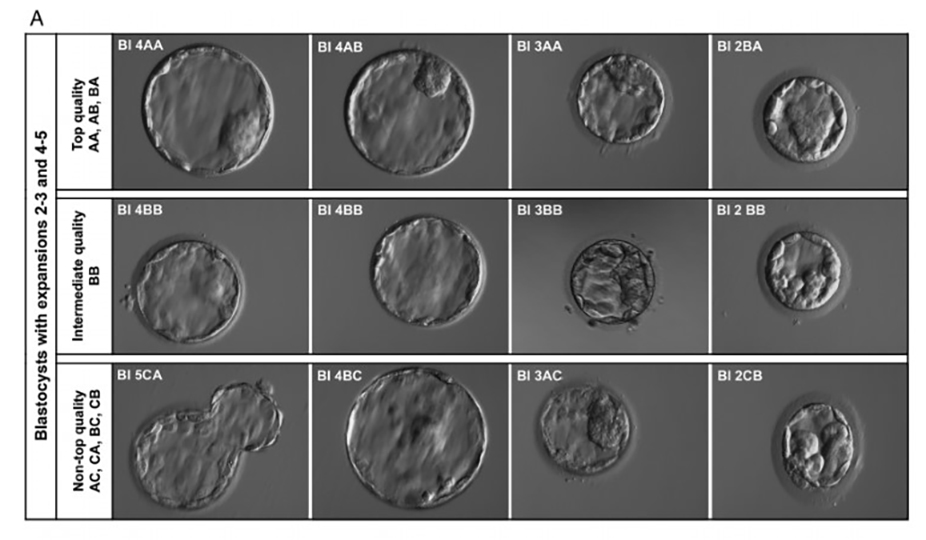
Embryo Grading Quality Chart and IVF Success Rates

What is IVF Embryo Grading?

Embryo Grading Chart A Visual Reference of Charts Chart Master
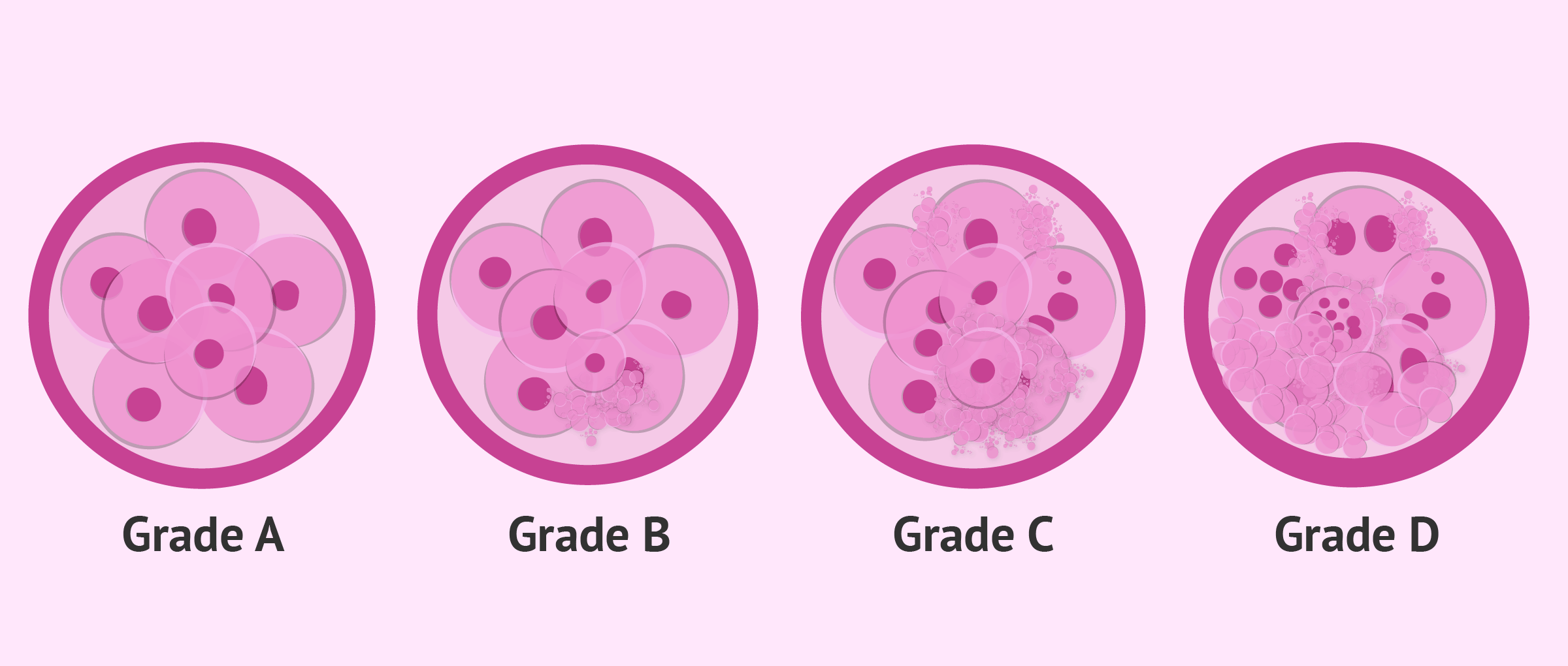
Classification criteria and categories according to the embryo quality
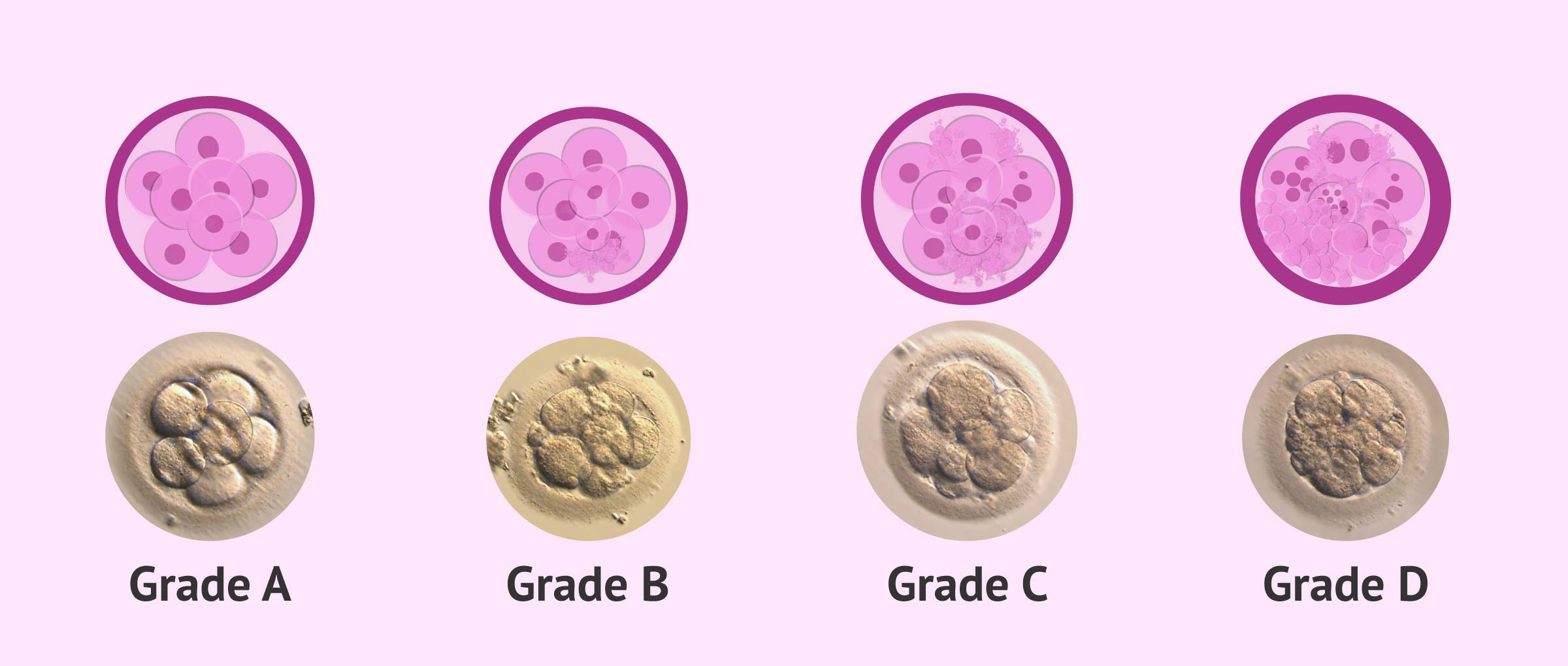
Embryo grading

Einteilung von Embryonen nach Qualität
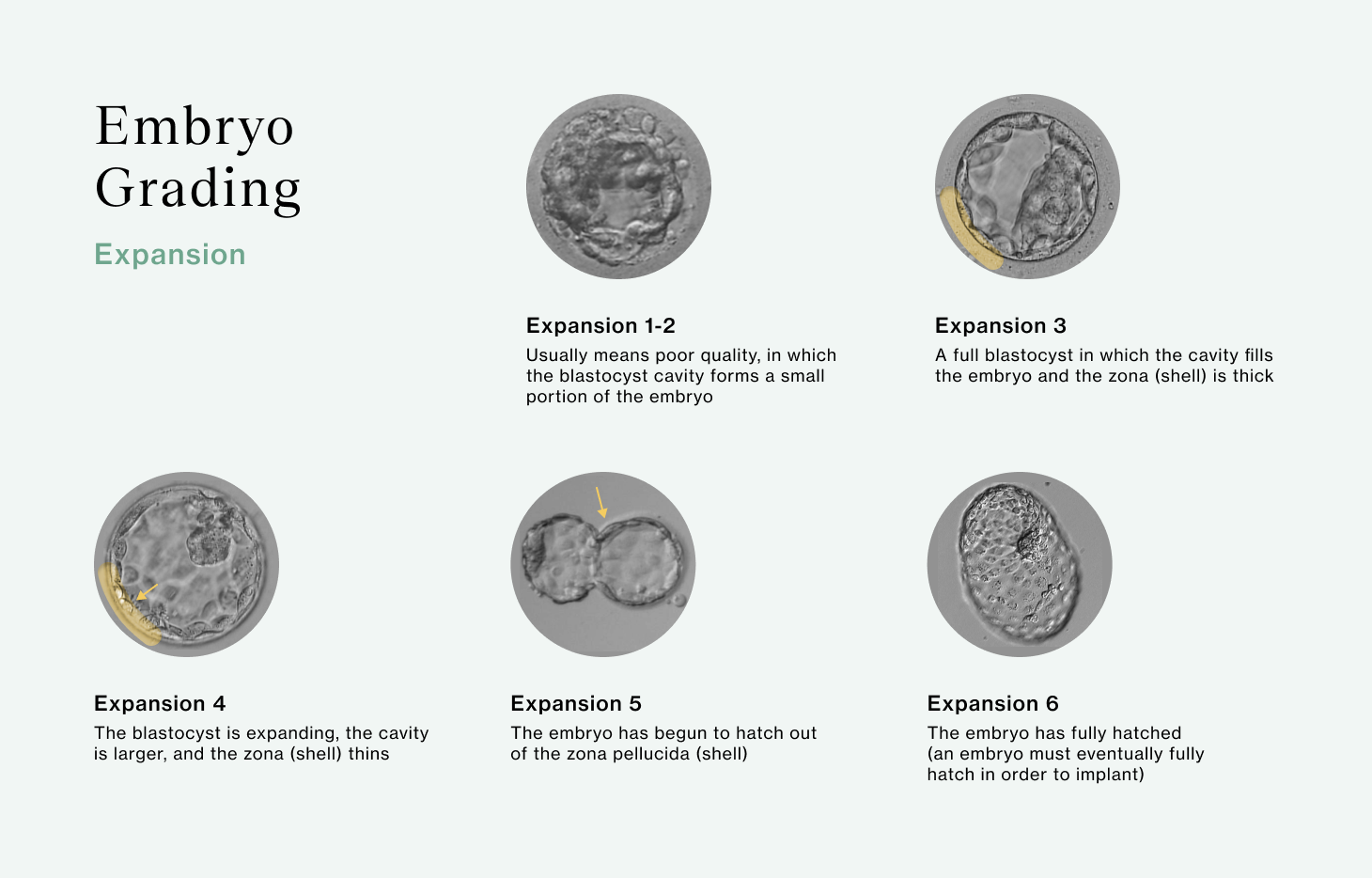
Embryo Grading Explained
Embryo Grading Quality Chart and IVF Success Rates
Embryo Grading Descriptions Atlantic Shared Beginnings
Embryo Grading Quality Chart and IVF Success Rates
Can You Pregnant With C And D Scored Embryos?
Not All Embryos Reach The Blastocyst Stage Within 5 Or 6 Days.
Web There’s A Reason Embryos Are Graded.
So, We've Written This Guide To Walk You Through How Embryologists Come Up With This Grade And What It Means For Your Chances Of Success.
Related Post: