
Emotion Regulation Chart
Emotion Regulation Chart - Emotion regulation techniques focus on changing emotions from more to less intense or flipping them to something entirely different. This means learning to understand your emotions, how your emotions may change and how to try to manage your emotions in a positive way. Dialectical behavioral therapy (dbt) teaches two core strategies for coping with emotions: When creating an emotional regulation chart, you do not need to use the same colors and emotions introduced by sunshine's school. Learning to understand the functions these emotions serve. Emotion regulation techniques focus on changing emotions from more to less intense or flipping them to something entirely different. Identify target emotions and assign color to them. Recognize your feeling(s) step 2: Encourage students to control feelings and calm down by “thinking like a turtle”. The most basic emotions are the primary ones: What is the feelings wheel? Web you may hear a professional explain that the 5 point scale teaches emotional regulation or self regulation. If you notice that balancing and controlling your emotions is challenging, developing emotional regulation skills can help. It may involve behaviors such as rethinking a challenging situation to reduce anger or anxiety, hiding visible. Change unwanted emotions once they start. Learning to reduce painful, negative emotions and to let go of emotional suffering. The feelings wheel offers a unique and nuanced approach to identifying and comprehending emotions. Read the tucker turtle story to students. Love = (joy+ trust), guilt = (joy + fear), and delight = (joy + surprise). Stop unwanted emotions from starting in the first place. The most basic emotions are the primary ones: Web choose two current or recent emotional reactions you had and fill out as much of the worksheet below as you can. It may involve behaviors such as rethinking a challenging situation to reduce anger or anxiety, hiding visible. The adding up of these various primary emotions will produce new ones such. Web learn about emotion regulation in dialectical behavior therapy. Change unwanted emotions once they start. Know what emotions do for you. Web having a feelings chart helps students identify and name their emotions as they experience them, or as they’re learning how to manage the feelings that they have throughout the day. Tuck inside your “shell” and take 3 deep. Identify target emotions and assign color to them. Tuck inside your “shell” and take 3 deep breaths. Web dialectical behavioral therapy (dbt) teaches two core strategies for coping with emotions: The most basic emotions are the primary ones: Stop unwanted emotions from starting in the first place. Change unwanted emotions once they start. Decrease the frequency of unwanted emotions. Know what emotions do for you. Stop unwanted emotions from starting in the first place. Learning to increase positive emotions. It’s a skill that improves a child’s wellbeing as they learn to navigate big emotions and notice the emotions of. Download this free emotion levels chart to. Web signs of emotional dysregulation. Web within a zones of regulation chart emotions and physical sensations are categorized within different zones. Encourage students to control feelings and calm down by “thinking like a. Trust, fear, surprise, sadness, disgust, anger, anticipation and joy. Web the zones of regulation approach organizes feelings into four “zones” to make them easier to identify and work through. Web emotional regulation refers to our ability to stay present, engaged, and able to listen and learn despite challenges. Dialectical behavioral therapy (dbt) teaches two core strategies for coping with emotions:. Adapted from linehan’s manual for treating borderline personality disorder, this worksheet helps in delving deep into the causes and consequences of an intense affective response. It may involve behaviors such as rethinking a challenging situation to reduce anger or anxiety, hiding visible. A school team member, therapist or other professional can help you. The fortunate thing is, no matter what. Web within a zones of regulation chart emotions and physical sensations are categorized within different zones. Adapted from linehan’s manual for treating borderline personality disorder, this worksheet helps in delving deep into the causes and consequences of an intense affective response. Web choose two current or recent emotional reactions you had and fill out as much of the worksheet below. Web the zones of regulation approach organizes feelings into four “zones” to make them easier to identify and work through. Web signs of emotional dysregulation. Trust, fear, surprise, sadness, disgust, anger, anticipation and joy. Encourage students to control feelings and calm down by “thinking like a turtle”. Prevention (or “how to stay out of emotion mind”) take care of your. The adding up of these various primary emotions will produce new ones such as: The fortunate thing is, no matter what their current skills, all youth It may involve behaviors such as rethinking a challenging situation to reduce anger or anxiety, hiding visible. You can choose any colors and emotions you'd like based on observations of what your child will. Change unwanted emotions once they start. The zones of emotional regulation is a simple tool to help kids recognise and identify emotions, within themselves and in the people around them. Web emotional regulation refers to our ability to stay present, engaged, and able to listen and learn despite challenges. A school team member, therapist or other professional can help you. All the zones are okay coloring page. Adapted from linehan’s manual for treating borderline personality disorder, this worksheet helps in delving deep into the causes and consequences of an intense affective response. This means learning to understand your emotions, how your emotions may change and how to try to manage your emotions in a positive way. The fortunate thing is, no matter what their current skills, all youth What is the feelings wheel? Each zone is a different color and represents different levels of alertness often associated with different emotional states. Prevention (or “how to stay out of emotion mind”) take care of your body. Download this free emotion levels chart to. Web this zones of regulation visual, featuring our updated zones logo design, is helpful for learners who have access to a broad emotional vocabulary. The feelings wheel offers a unique and nuanced approach to identifying and comprehending emotions. Web learn about emotion regulation in dialectical behavior therapy. Trust, fear, surprise, sadness, disgust, anger, anticipation and joy.
Zones of Regulation Teaching Emotional Regulation, Feelings, and

Printable Zones Of Regulation

Zones of Regulation Chart by hughes_d14 Teaching Resources Coping

Emotion Wheel Printable for Kids in 2021 Emotion chart, Social
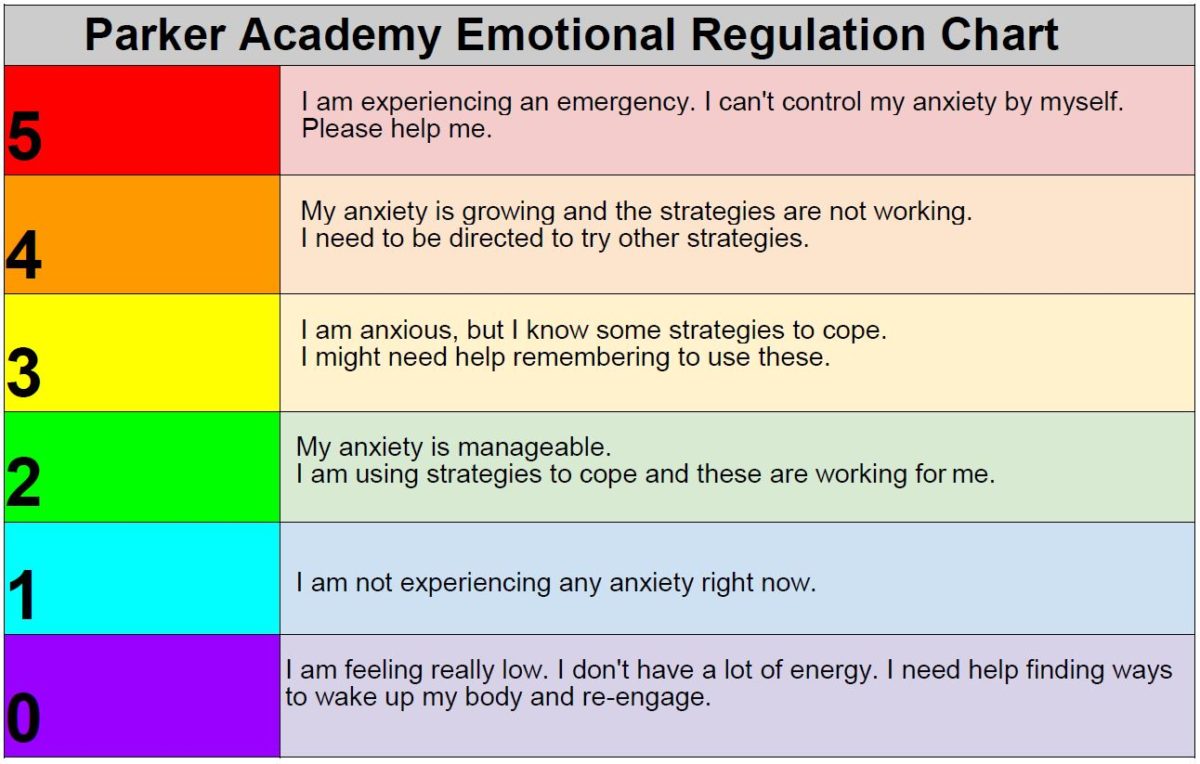
Emotional Regulation at Parker Academy Parker Education

Emotion Regulation Chart
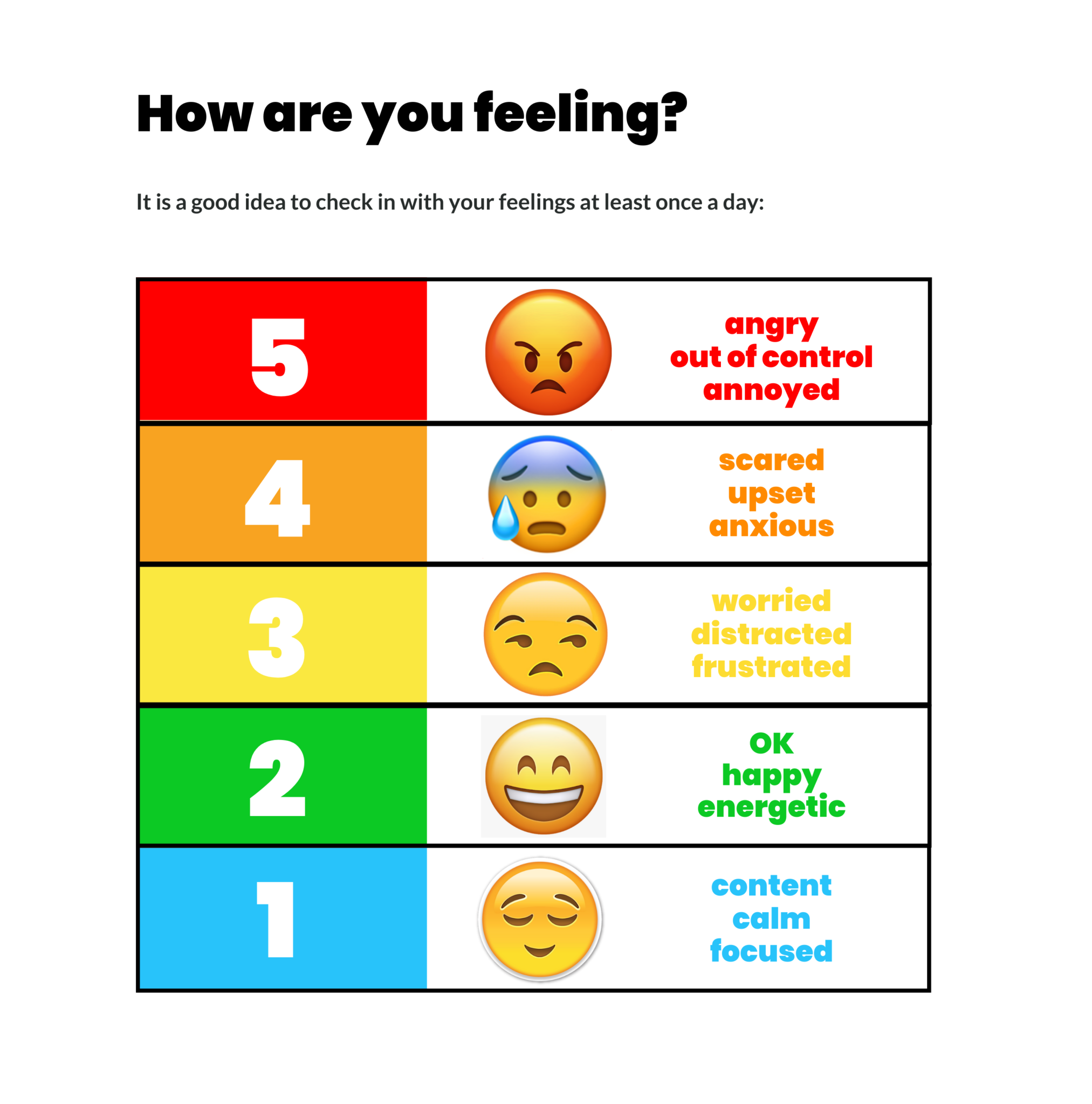
Emotionratingscale SensationALL

Printable Emotion Regulation Activities

Free Printable 5 Point Scale Emotions Printable

Emotional Regulation Learn Skills To Manage Your Emotions
Dialectical Behavioral Therapy (Dbt) Teaches Two Core Strategies For Coping With Emotions:
You Can Choose Any Colors And Emotions You'd Like Based On Observations Of What Your Child Will Respond Most Positively To.
Emotion Regulation Techniques Focus On Changing Emotions From More To Less Intense Or Flipping Them To Something Entirely Different.
If You Notice That Balancing And Controlling Your Emotions Is Challenging, Developing Emotional Regulation Skills Can Help.
Related Post: