
Emotional Scale Chart
Emotional Scale Chart - By using the chart, you can understand which emotions are “higher vibration” and start to cultivate more of those in your life. Your journey begins with the recognition of your current emotional state. Web the emotional vibration chart maps the range of human emotions to higher and lower frequencies. The scale looks something like this… Develop coping skills for trying emotions by focusing on what you can control and. Web use the daily mood chart worksheet alongside cbt interventions to help clients practice recognizing the links between their environment, thoughts, and feelings. Every two hours your client will record the emotions they've experienced, and make note about what was happening during that time. We look at joy, sadness, acceptance, & other emotion wheel feelings. Web this tool featuring happy to sad or mad faces is called a 5 point scale. This chart has been used to study the importance of pshe (personal, science, health, and economic) education, but it is also a good feelings guide for adults. Asks for your hours of sleep, and provides a space for comments. Web use the daily mood chart worksheet alongside cbt interventions to help clients practice recognizing the links between their environment, thoughts, and feelings. It has all the common emotions listed from high vibration to low vibration (top to bottom). As fellow mighty contributor and editorial director sarah schuster describes in her article about this tool: We look at joy, sadness, acceptance, & other emotion wheel feelings. Love and empowerment sit at the top, and emotions like fear and powerlessness anchor the bottom. Its purpose is to help children and adults learn how to recognize when they are starting to feel anxious, upset or mad and how to use strategies to calm down that work for them. These range from joy, appreciation, freedom, love and empowerment (the highest) to fear, despair, desperation, grief, and powerlessness (the lowest). Web a look at the emotional maturity scale. A chart built by harvard’s dr. It has all the common emotions listed from high vibration to low vibration (top to bottom). Your journey begins with the recognition of your current emotional state. Understand emotions, nurture awareness, and promote growth. Happiness, sadness, anger, anxiety, excitement, pride, and shame. Feelings charts connect basic emotions, like sadness, with more complex feelings, like loneliness, to help you deepen your. Asks for your hours of sleep, and provides a space for comments. Assessing and developing emotional intelligence with quenza. Web plutchik's wheel of emotions covers 8 fundamental emotions. Happiness, sadness, anger, anxiety, excitement, pride, and shame. This chart includes the five core emotions and other related feelings, organized according to intensity level. Peace and joy are higher vibration emotions, while shame and guilt are lower vibration emotions. Web the egs is a list of the 22 most common emotions and feelings, in sequence from our highest vibrational, positive feelings to our lowest, most negative. Web this tool featuring happy to sad or mad faces is called a 5 point scale. A chart. Web our basic emotion assessment worksheet invites clients to indicate how much they are experiencing seven basic emotions: We tend to think of our emotions as an ocean, a pool of messiness splashing around. It has all the common emotions listed from high vibration to low vibration (top to bottom). Understand emotions, nurture awareness, and promote growth. Web emotional intelligence. Web the abraham hicks emotional guidance scale, sometimes referred to as the emotional vibration scale, is a scale of the 22 most common emotions. Web a look at the emotional maturity scale. The scale presents a spectrum of emotions: Web emotional intelligence frameworks help us visualize the set of skills behind emotional appraisal, empathy, emotional regulation, and more. Web learn. By consistently recording your mood, you can gain a better understanding of the frequency and intensity of these mood swings. Web learn how to use an emotions chart or a feelings thermometer effectively, great tools to help kids identify, label and express their feelings. Develop coping skills for trying emotions by focusing on what you can control and. Web the. Every two hours your client will record the emotions they've experienced, and make note about what was happening during that time. Clients begin by choosing an emotion, such as sadness, anger, or anxiety. The emotion with the highest vibration (joy) is assigned the number one, and the emotion with the lowest vibration (despair) is assigned the number 22. Web learn. This chart includes the five core emotions and other related feelings, organized according to intensity level. Web the scale ranges from the lowest emotions (fear, grief, depression, despair, powerlessness) to the highest (freedom, love, joy, appreciation, empowerment). Feelings charts connect basic emotions, like sadness, with more complex feelings, like loneliness, to help you deepen your understanding of yourself. Asks for. Web a look at the emotional maturity scale. However, with the scale of emotions, we can view our emotions as more of a spectrum or a stairway. It has all the common emotions listed from high vibration to low vibration (top to bottom). Assessing and developing emotional intelligence with quenza. Web the abraham hicks emotional guidance scale, sometimes referred to. Web learn how to use an emotions chart or a feelings thermometer effectively, great tools to help kids identify, label and express their feelings. Web the emotional guidance scale created by abraham hicks is a super valuable tool that demonstrates how, through baby steps, you can move up the emotional scale one emotion at a time. These range from joy,. Web it typically consists of a graph where you can plot your daily mood on a scale, ranging from extreme depression to extreme mania. The scale presents a spectrum of emotions: Web the emotional vibration chart maps the range of human emotions to higher and lower frequencies. Web use the emotion exploration scale to learn about a particular emotion, its warning signs, and how it progresses from low to high intensity. A chart built by harvard’s dr. Understand emotions, nurture awareness, and promote growth. Web the abraham hicks emotional guidance scale, sometimes referred to as the emotional vibration scale, is a scale of the 22 most common emotions. Web emotional intelligence frameworks help us visualize the set of skills behind emotional appraisal, empathy, emotional regulation, and more. The emotion with the highest vibration (joy) is assigned the number one, and the emotion with the lowest vibration (despair) is assigned the number 22. We look at joy, sadness, acceptance, & other emotion wheel feelings. Web the egs is a list of the 22 most common emotions and feelings, in sequence from our highest vibrational, positive feelings to our lowest, most negative. Love and empowerment sit at the top, and emotions like fear and powerlessness anchor the bottom. We tend to think of our emotions as an ocean, a pool of messiness splashing around. These range from joy, appreciation, freedom, love and empowerment (the highest) to fear, despair, desperation, grief, and powerlessness (the lowest). Web our basic emotion assessment worksheet invites clients to indicate how much they are experiencing seven basic emotions: Develop coping skills for trying emotions by focusing on what you can control and.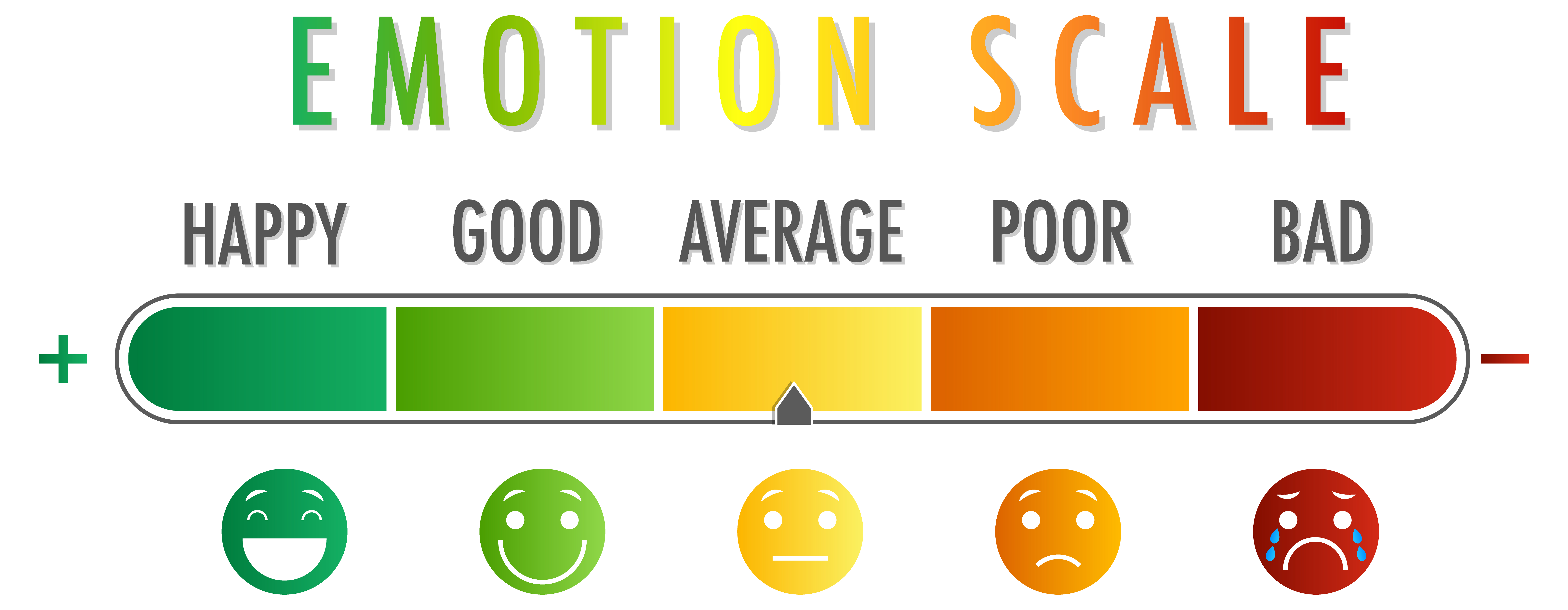
Emotional Scale Vector Art, Icons, and Graphics for Free Download

Emotion Wheel Læring, Personlig udvikling, Personlighed
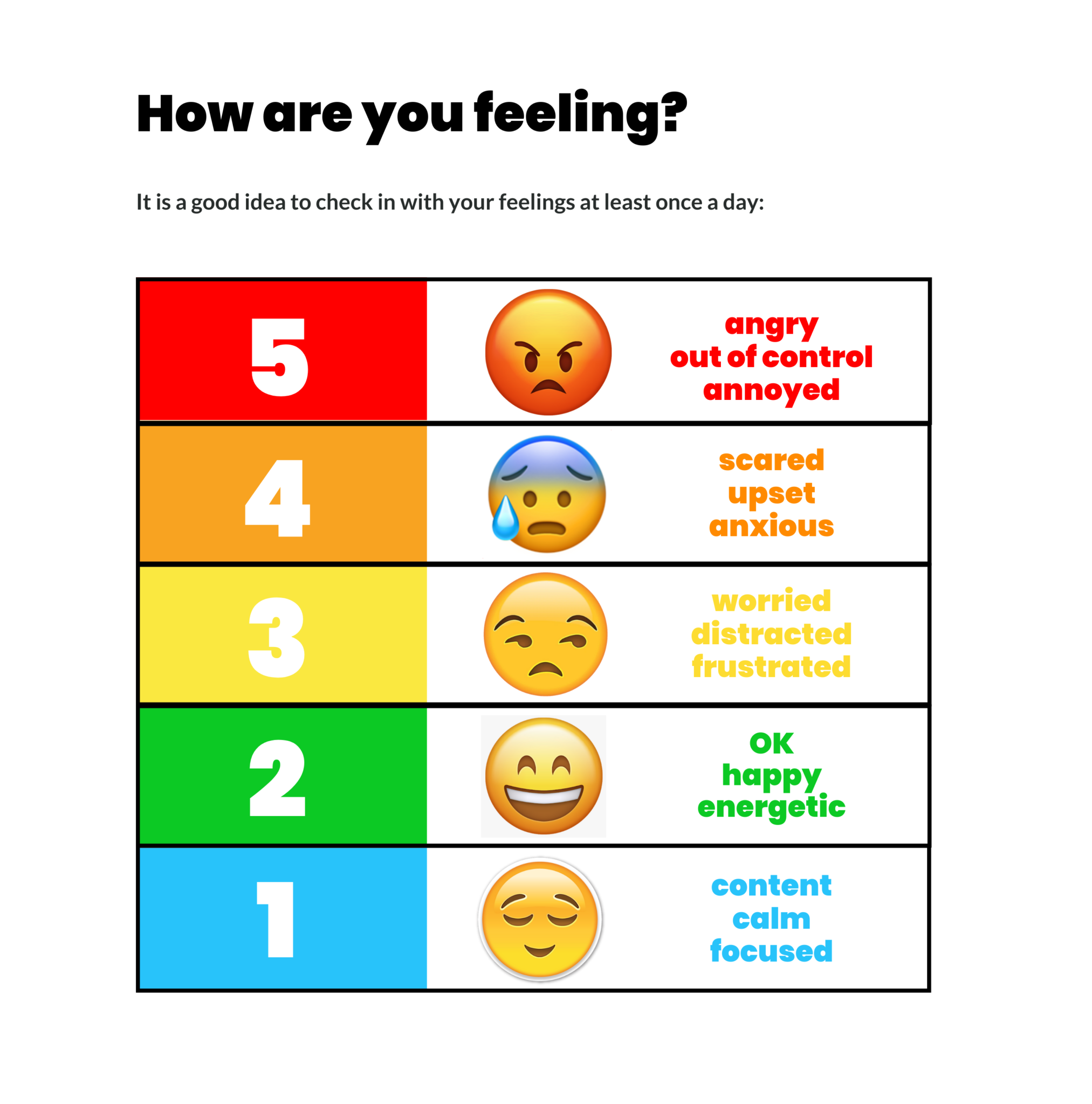
Emotionratingscale SensationALL

Emotional Guidance Scale by Abraham Hicks How to Best Use It (FREE
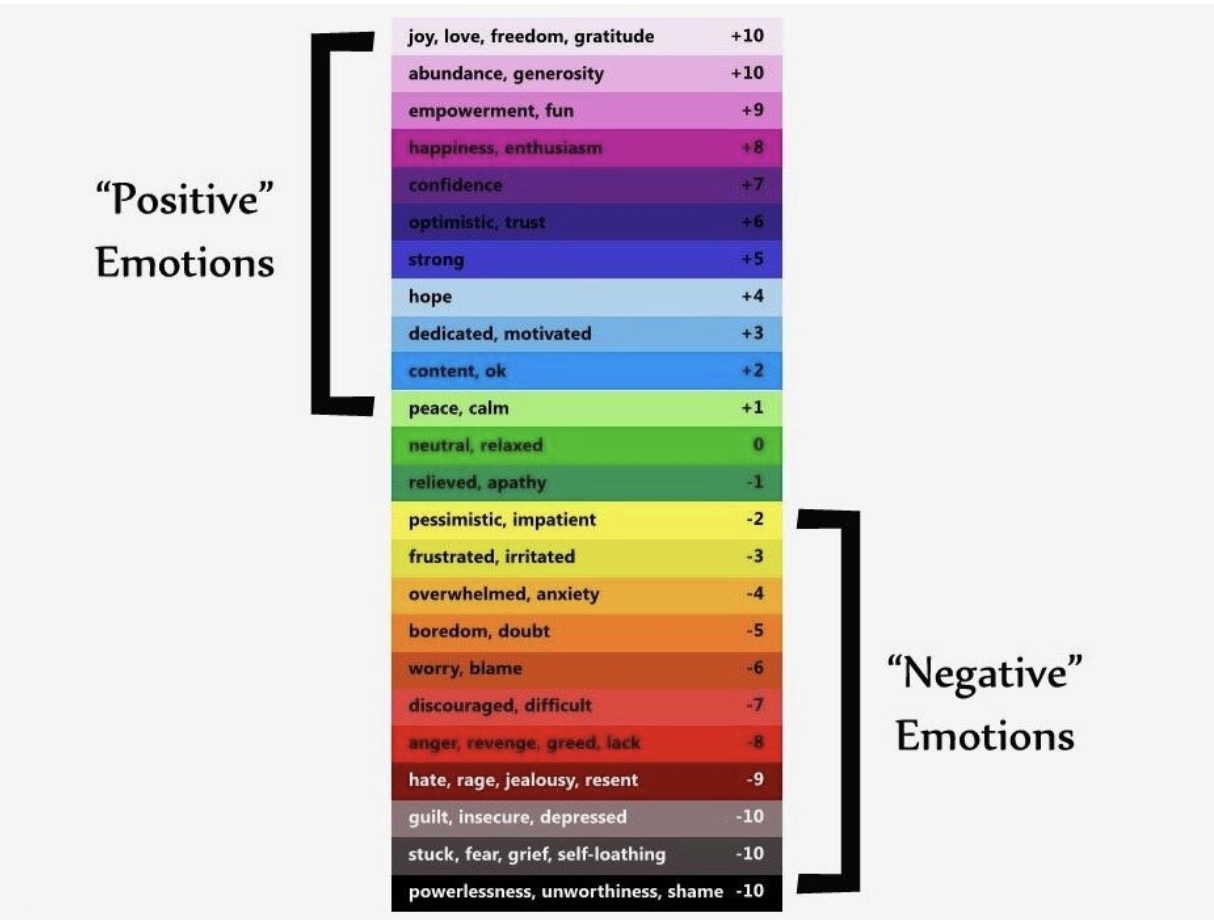
Emotional Guidance Scale The path to awareness and joy — Stella
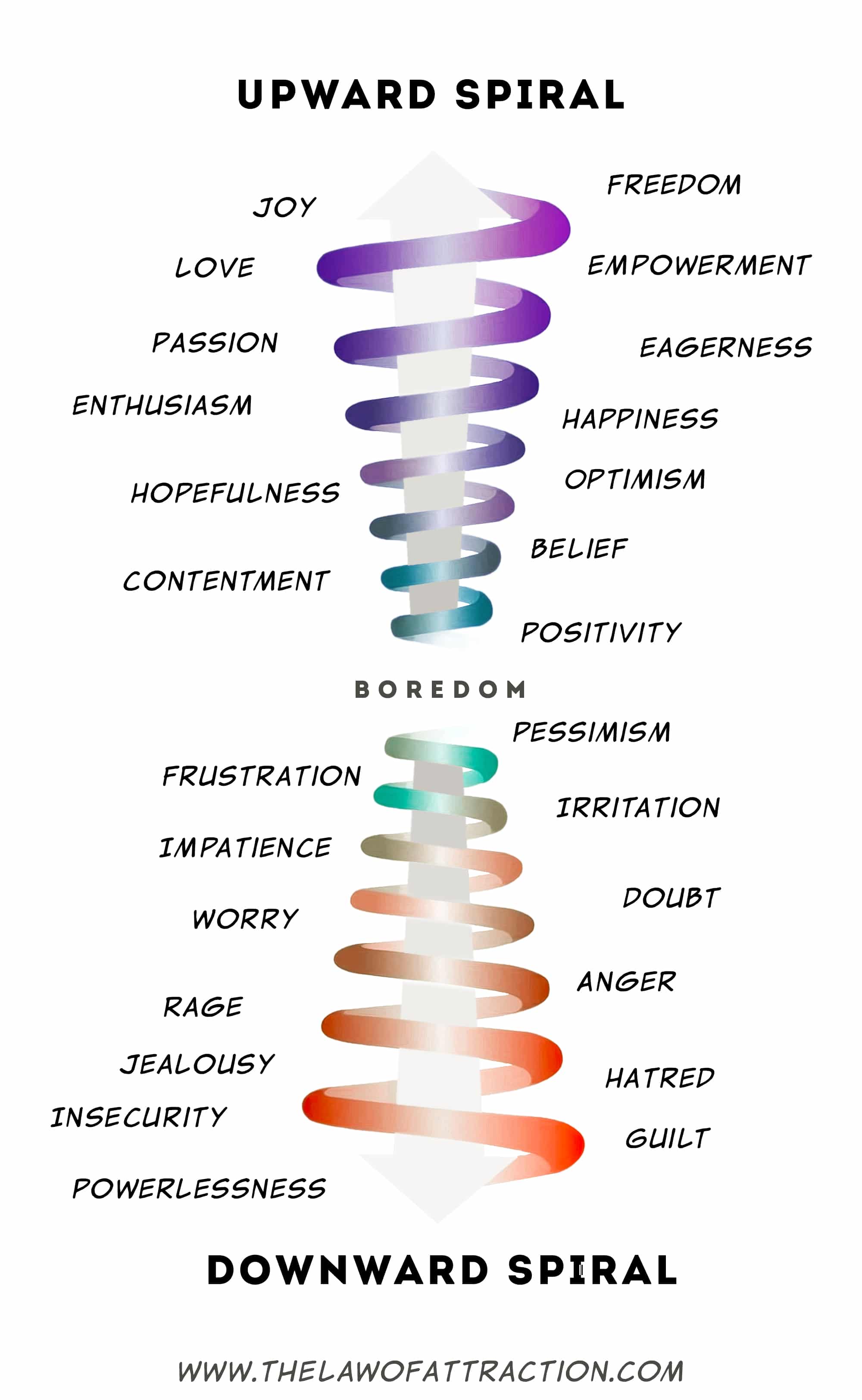
Learn How To Move UP The (Vibrational) Emotional Scale

Learn How To Move UP The (Vibrational) Emotional Scale in 2020
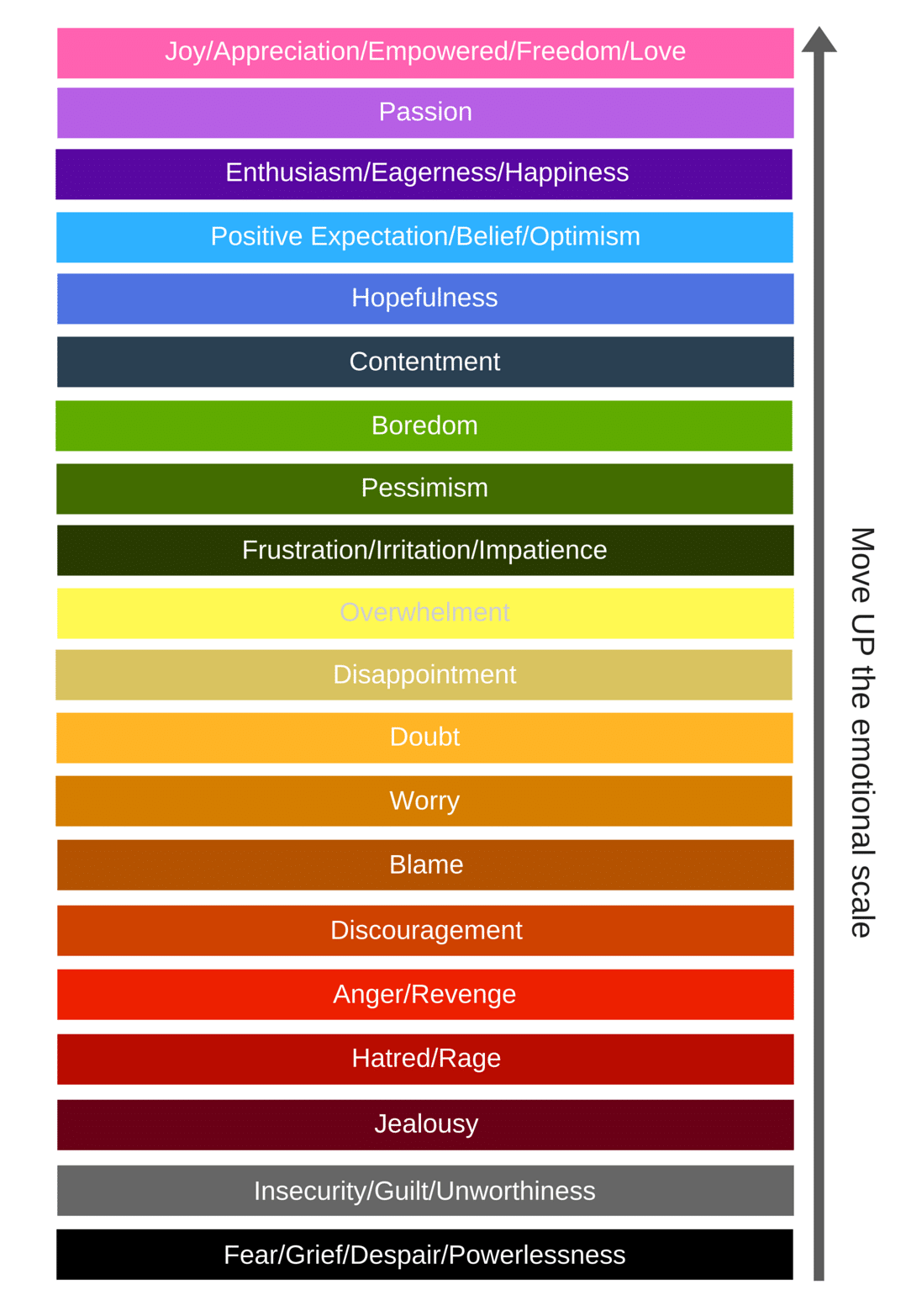
Learn How To Move UP The (Vibrational) Emotional Scale

Using the Emotional Guidance Scale to Feel Better Emotions, Managing
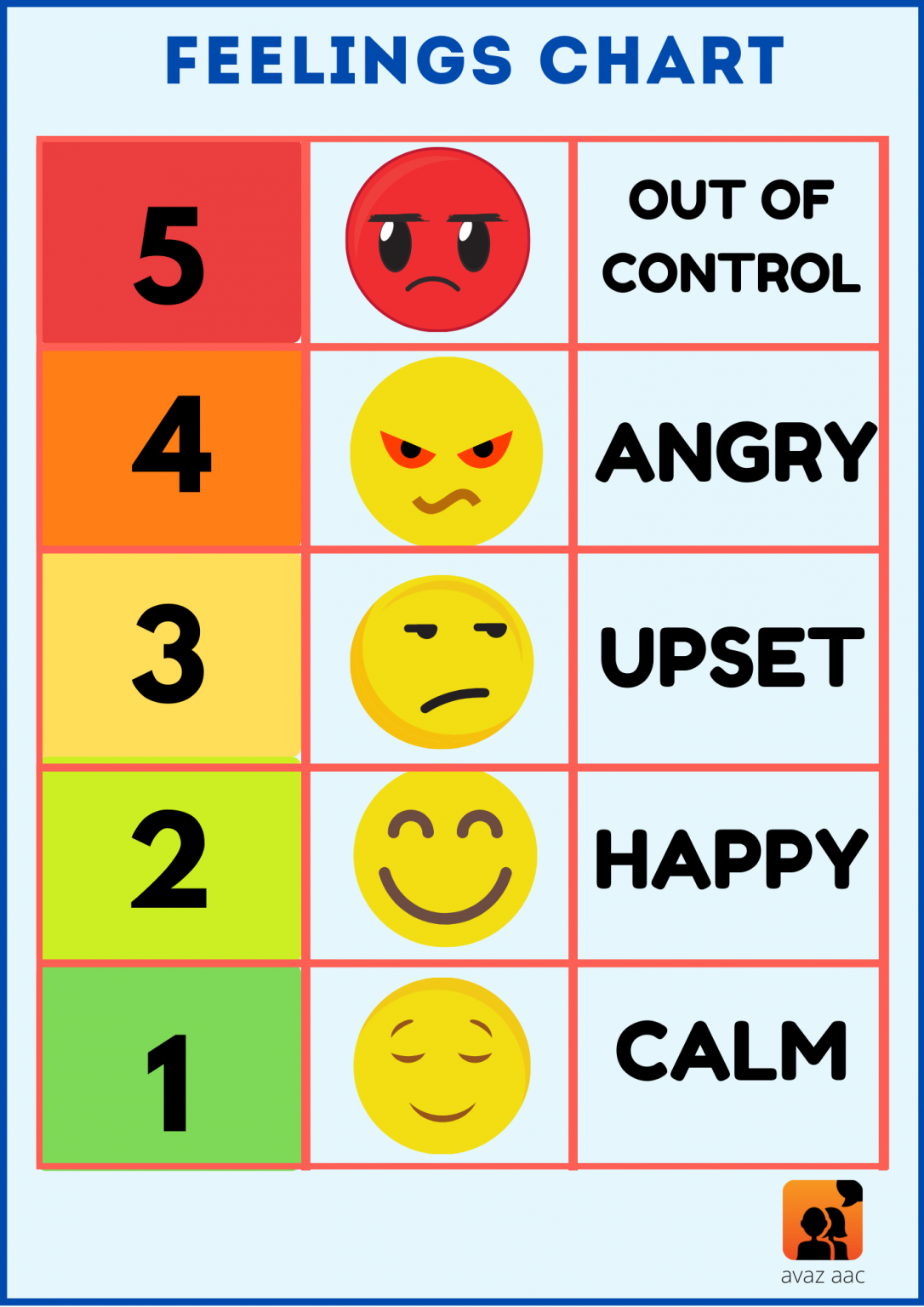
Functional Communication Skills for Kids with Special Needs Avaz Inc.
Assessing And Developing Emotional Intelligence With Quenza.
Happiness, Sadness, Anger, Anxiety, Excitement, Pride, And Shame.
It Has All The Common Emotions Listed From High Vibration To Low Vibration (Top To Bottom).
Every Two Hours Your Client Will Record The Emotions They've Experienced, And Make Note About What Was Happening During That Time.
Related Post: