
Eye Chart For Dot Physical
Eye Chart For Dot Physical - Web it's pretty simple. Web to pass the dot physical eye test, your eyesight needs to be at least 20/40 on the snellen eye chart, with or without corrective eyewear in each eye, and both eyes. Know about the dot eye exam. The eye chart used during dot physicals is crucial in assessing visual acuity and other aspects of vision. Web trucker docs answers questions about fmcsa regulations and vision requirements for the dot physical exam. Web the point of a dot physical is to make sure that people who are driving commercial motor vehicles (cmvs), such as large trucks and buses, are physically, mentally, and emotionally fit. You must have 20/40 vision in each eye, with or without glasses, and a field of vision of at least 70 degrees in each eye to pass the dot physical. Web the dot (department of transportation) eye exam is a vital component of the dot physical, and it consists of two major components: Measure ten feet from the wall. You'll stand or sit ten feet from the chart and be asked to read its letters and lines. You must also be able to detect distinct colors of traffic lights and signals. My eyes don't do so well up close with the machine. The dot examination will include a health history review, a thorough physical exam captured in an online version of the medical examination report, and a urine test for commercial driver fitness determination. Driving these vehicles is a big responsibility. Know about the dot eye exam. You'll stand or sit ten feet from the chart and be asked to read its letters and lines. (to see what a typical vision test consists of, watch this video.) hearing test: The eye test at the dmv you will take is called the snellen eye chart. Web what does the dot physical exam include? If you have a vision that does not meet this standard, you may be eligible for a waiver depending on the type of vehicle and the nature of your job duties. Contact your nearby concentra to schedule your dot physical. The importance of good vision on the road. You must also be able to detect distinct colors of traffic lights and signals. They will test the ability to hear tones at specific distances and frequencies. The eye chart used during dot physicals is crucial in assessing visual acuity and other aspects. Web a dot physical eye test, required for individuals holding commercial driver's licenses (cdls), include a thorough eye examination to ensure the safety of drivers on the road. Web the point of a dot physical is to make sure that people who are driving commercial motor vehicles (cmvs), such as large trucks and buses, are physically, mentally, and emotionally fit.. Web does the dot use a specific eye chart? Web the vision test requirements for the dot physical exam include: Web trucker docs answers questions about fmcsa regulations and vision requirements for the dot physical exam. Web to pass the dot physical eye test, your eyesight needs to be at least 20/40 on the snellen eye chart, with or without. Know about the dot eye exam. Web it is either a standard look at it and read at a distance paper eye chart or it is looking through some machine. Web what is a dot eye chart test for drivers? Distant binocular visual acuity of at least 20/40 (snellen) in both eyes, with or without corrective lenses. The department of. Contact your nearby concentra to schedule your dot physical. The eye test at the dmv you will take is called the snellen eye chart. If you have a vision that does not meet this standard, you may be eligible for a waiver depending on the type of vehicle and the nature of your job duties. Web what does the dot. Web the vision test requirements for the dot physical exam include: • color vision must be sufficient to recognize traffic signals and devices showing the standard red, amber, and green traffic signal colors. Web the dot (department of transportation) eye exam is a vital component of the dot physical, and it consists of two major components: (to see what a. To pass your dot physical, you'll need to have good vision. Department of transportation (dot) physical is a medical exam that verifies you meet certain standards to drive a commercial motor vehicle (cmv). The eye test at the dmv you will take is called the snellen eye chart. Your peripheral vision needs to be 70 degrees or better in both. Web trucker docs answers questions about fmcsa regulations and vision requirements for the dot physical exam. (to see what a typical vision test consists of, watch this video.) hearing test: Web the dot (department of transportation) eye exam is a vital component of the dot physical, and it consists of two major components: The eye test at the dmv you. They will test the ability to hear tones at specific distances and frequencies. Web what does the dot physical exam include? Web the point of a dot physical is to make sure that people who are driving commercial motor vehicles (cmvs), such as large trucks and buses, are physically, mentally, and emotionally fit. You need to have at least 70. Web it's pretty simple. The eye chart used during dot physicals is crucial in assessing visual acuity and other aspects of vision. You need to have a minimum of 20/40 acuity in each eye with or without corrective lenses. Web what does the dot physical exam include? Web the dot (department of transportation) eye exam is a vital component of. Web what does the dot physical exam include? Web to pass your department of transportation (dot) physical, the minimum vision requirement is 20/40 in each eye with or without corrective lenses. The eye test at the dmv you will take is called the snellen eye chart. I prefer the paper chart on the wall. The drivers' eyes will be tested using a standard snellen eye chart. The machine simulation is never quite right to the real world. You must also be able to detect distinct colors of traffic lights and signals. Web a dot physical eye test, required for individuals holding commercial driver's licenses (cdls), include a thorough eye examination to ensure the safety of drivers on the road. The eye chart used during dot physicals is crucial in assessing visual acuity and other aspects of vision. Web • field of vision of at least 70° in the horizontal meridian of each eye. Web to pass the dot physical eye test, your eyesight needs to be at least 20/40 on the snellen eye chart, with or without corrective eyewear in each eye, and both eyes. Web does the dot use a specific eye chart? • color vision must be sufficient to recognize traffic signals and devices showing the standard red, amber, and green traffic signal colors. Among the various aspects of maintaining your commercial driver's license (cdl), keeping an eye on your vision is crucial. Measure ten feet from the wall. Employers of intrastate drivers (i.e., drivers who stay within one state) are subject to the physical qualification regulations of that specific state.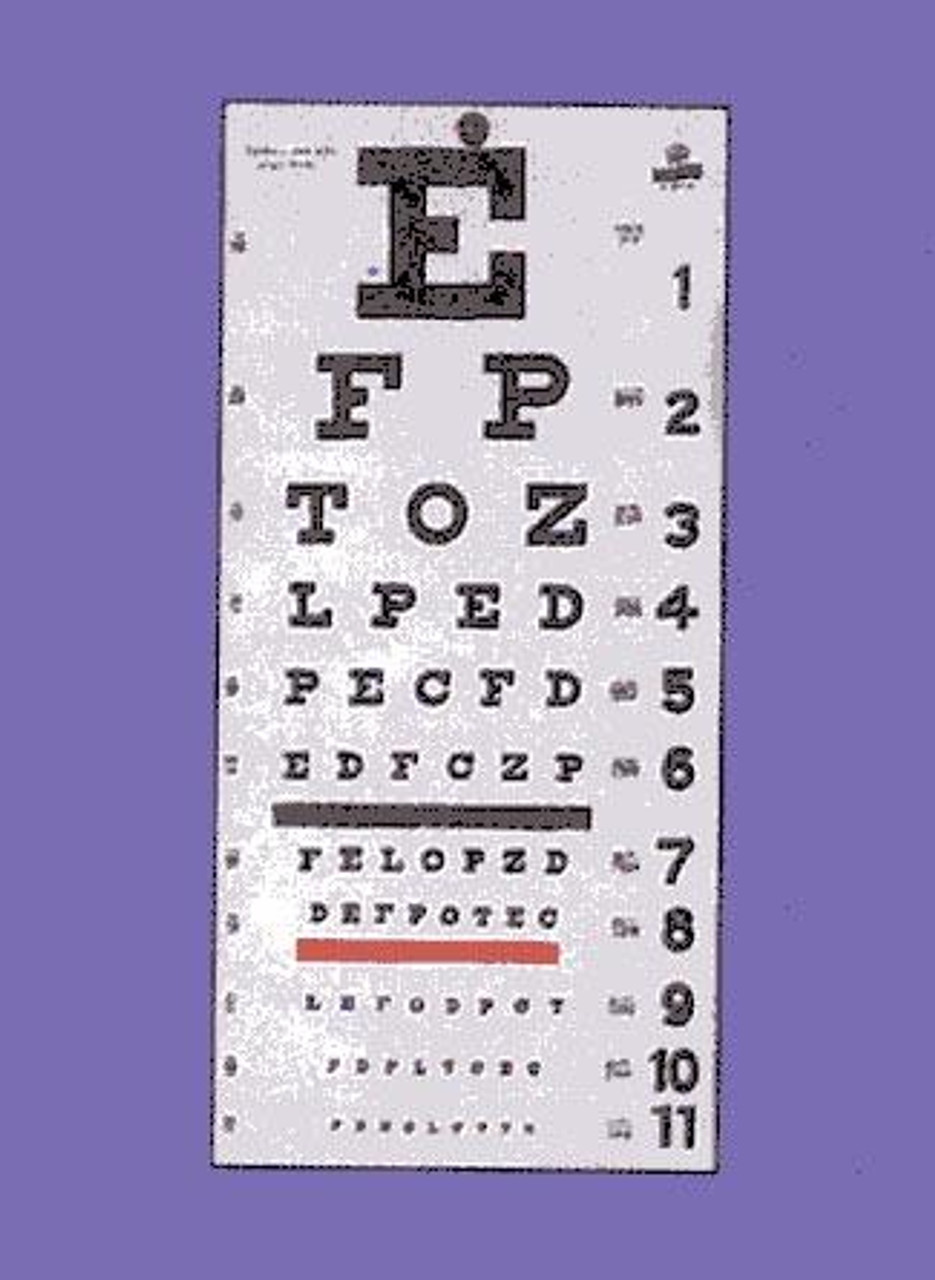
Eye Examination Chart Clinical Charts and Supplies

Standard Eye Chart Free Download

Dot Physical Eye Chart

Pics Photos Eye Exam Chart
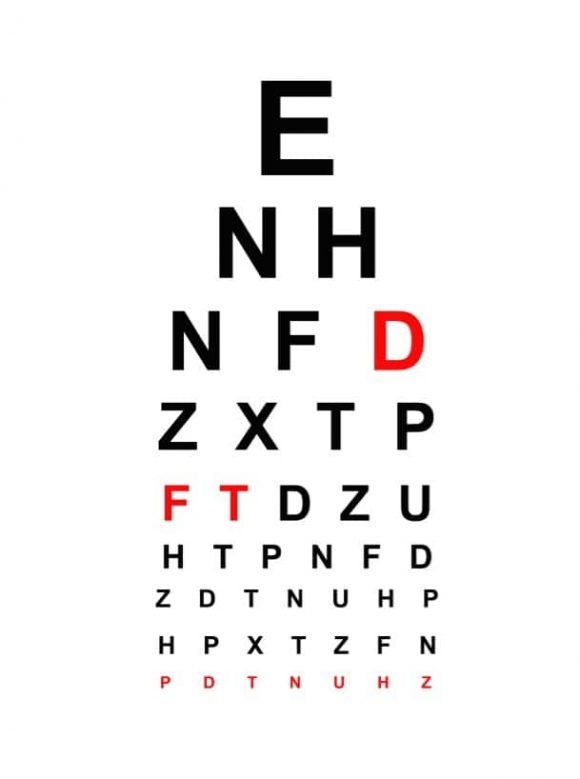
50 Printable Eye Test Charts PrintableTemplates

Standard Eye Chart For Dot Physical

iridology eye chart diagnosis iriscope iridology camera iriscope

The eye chart in your doctor's office has been around for decades, but
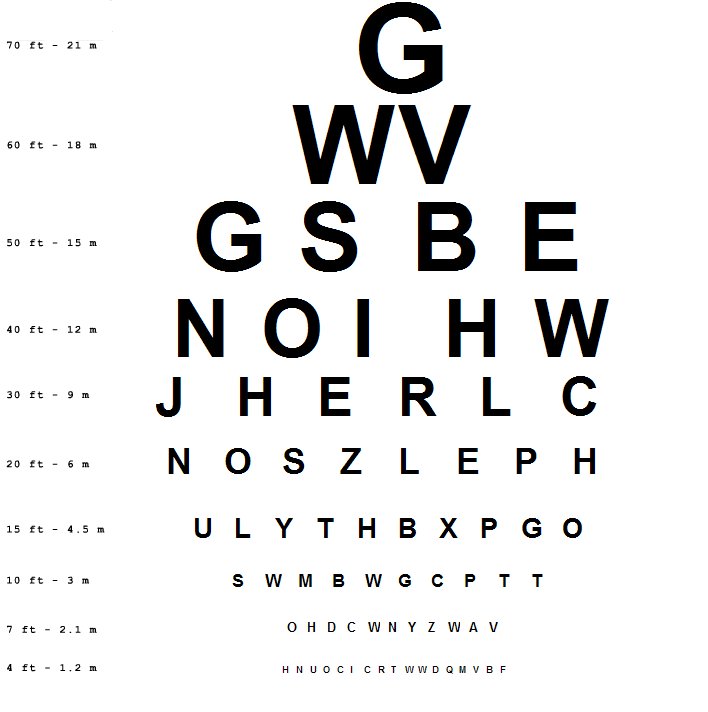
Eye Chart For Dot Physical

Buy Eye Chart, Snellen Eye Chart 3 Pieces Set of Wall Chart with Hand
To Pass Your Dot Physical, You'll Need To Have Good Vision.
Web A Dot Physical Is Required When A Driver Operates A Cmv Across State Lines (I.e., Interstate Driving).
The Physical Exam Itself Will Consist Of:
Assessing Your Distance Vision And Your Field Of View.
Related Post: