
High Flow Nasal Cannula Fio2 Chart
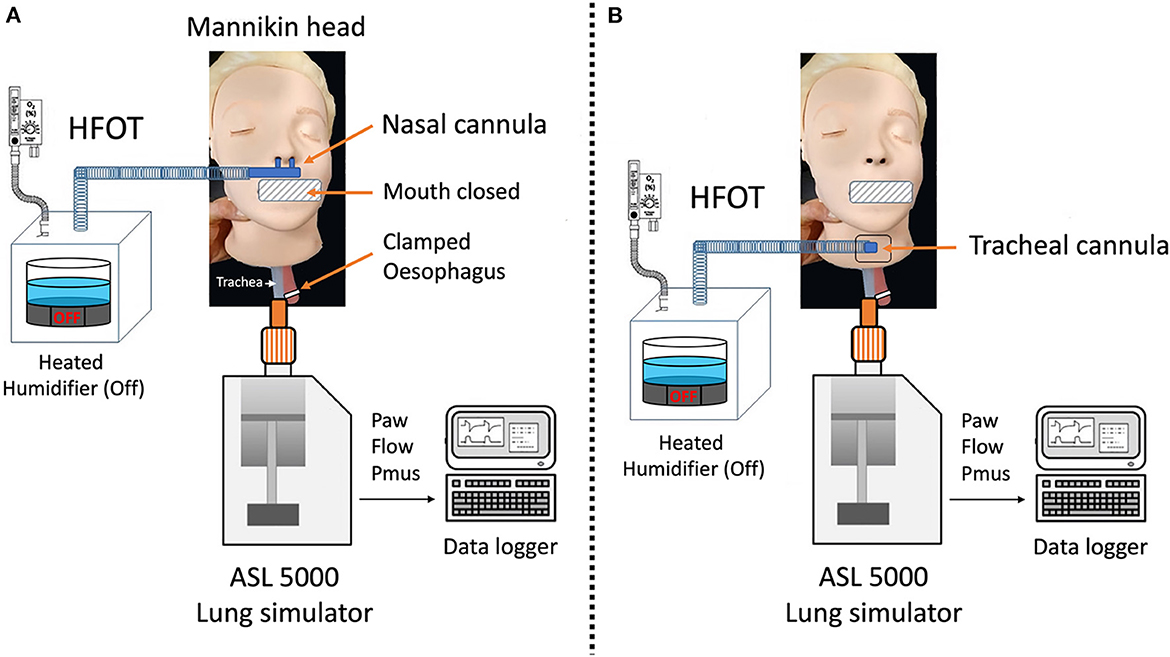
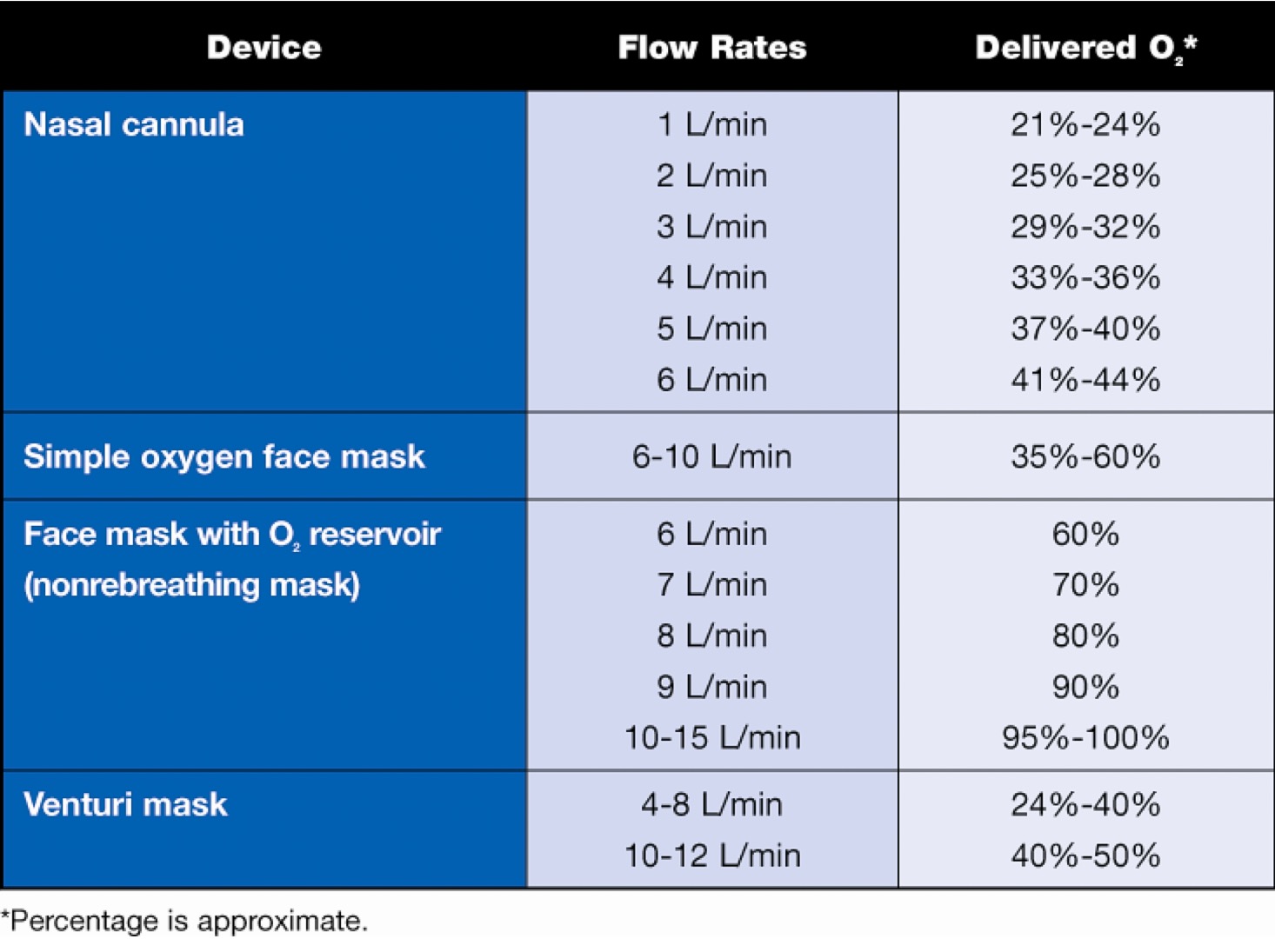
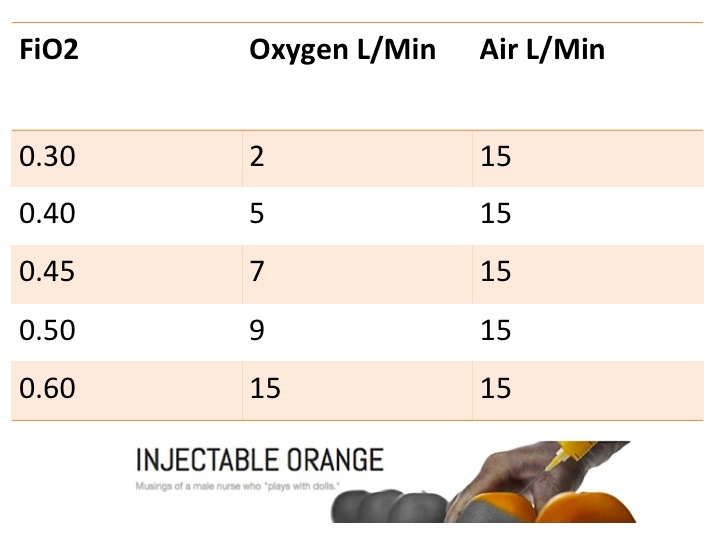
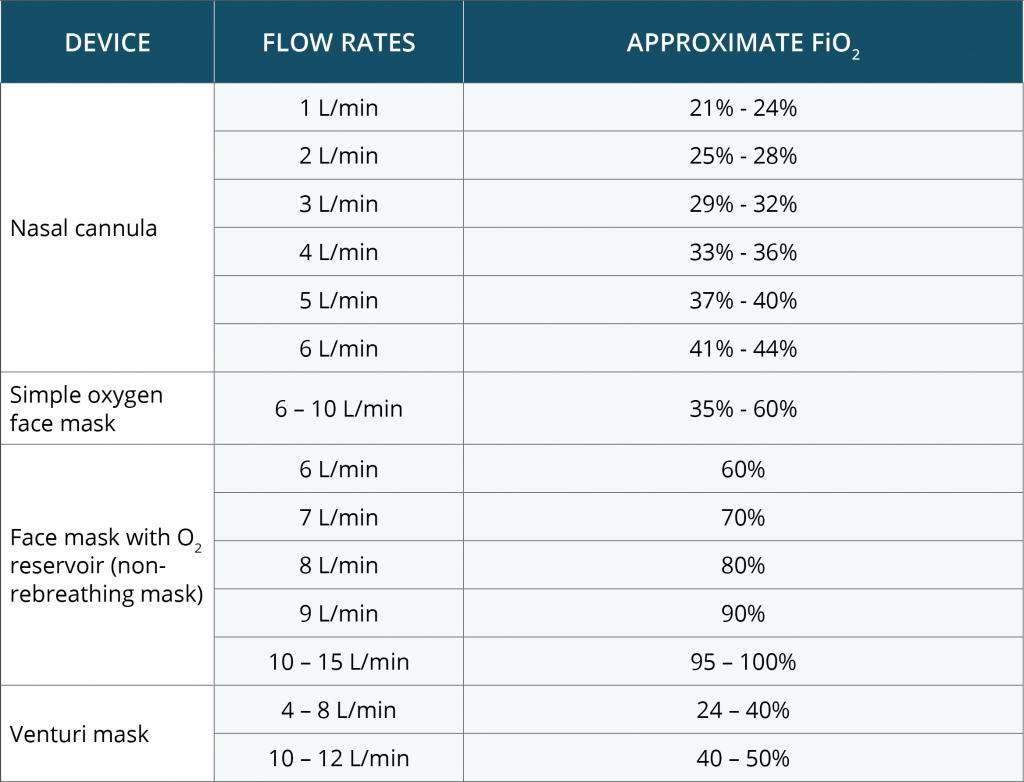
High Flow Nasal Cannula Fio2 Chart - This has become an increasingly utilised modality for the management. Web − nasal cannula that conserves oxygen by allowing oxygen to accumulate in the reservoir while the patient exhales. Web while commonly used in infants, the development of newer systems for adults that reliably deliver warmed and humidified oxygen at high flows through nasal. Web the use of heated and humidified high flow nasal cannula (hfnc) has become increasingly popular in the treatment of patients with acute respiratory failure. ‐wall oxygen source runs through a heater and humidifier. However, there is no consensus on the initial flow settings and. Heated and humidified, meets inspiratory demands, increases. Web nasal cannula flow rate and fio2. The physiological mechanism of action. Higher l/min of flow provides some peep to the. Web high flow nasal cannula (hfnc) oxygen enables delivery of high inspired gas flows of air/oxygen blend. Although certain factors, such as how fast you breathe and the size of your breaths, slightly impact the fio2, there's a pretty. Web − nasal cannula that conserves oxygen by allowing oxygen to accumulate in the reservoir while the patient exhales. Web the use of heated and humidified high flow nasal cannula (hfnc) has become increasingly popular in the treatment of patients with acute respiratory failure. Web the air and oxygen blender can set an inspiratory fraction of oxygen (fio2) from 21% up to 100% in a flow up to 60 l/min. Web this activity reviews the use of a high flow nasal cannula and the role of the interprofessional team in evaluating and monitoring patients receiving high flow oxygen. It can deliver up to about 60 liters of oxygen per minute. It delivers warm oxygen because oxygen at this flow rate. Web titrate fio2 and flow rate as required; The nc tubing is placed around a patient’s face with the prongs positioned at the nostrils. An air/oxygen blender, allowing from 0.21 to 1.0 f i o 2, generates up to 60 l/min flow. It delivers warm oxygen because oxygen at this flow rate. Web the fio2 when using nasal cannula depends on the flow rate (see ‘flowmeters‘), prong diameter in relation to nostril diameter, the patient’s size and the. ‐wall oxygen source runs through a. Higher l/min of flow provides some peep to the. Although certain factors, such as how fast you breathe and the size of your breaths, slightly impact the fio2, there's a pretty. The physiological mechanism of action. Web this activity reviews the use of a high flow nasal cannula and the role of the interprofessional team in evaluating and monitoring patients. Web this article describes the mechanism of action in an easy to remember mnemonic (hiflow); Web titrate fio2 and flow rate as required; Heated humidified gas flow preserves nasal mucosa and is more comfortable allowing high. The nc tubing is placed around a patient’s face with the prongs positioned at the nostrils. However, there is no consensus on the initial. This has become an increasingly utilised modality for the management. The nc tubing is placed around a patient’s face with the prongs positioned at the nostrils. ‐wall oxygen source runs through a heater and humidifier. − results in providing a higher fio2 when the patient inhales. The physiological mechanism of action. Web this article describes the mechanism of action in an easy to remember mnemonic (hiflow); ‐wall oxygen source runs through a heater and humidifier. Web the use of heated and humidified high flow nasal cannula (hfnc) has become increasingly popular in the treatment of patients with acute respiratory failure. The patient wears soft, pliable, wide‐bore nasal prongs, which fit snugly. Web − nasal cannula that conserves oxygen by allowing oxygen to accumulate in the reservoir while the patient exhales. Web the fio2 when using nasal cannula depends on the flow rate (see ‘flowmeters‘), prong diameter in relation to nostril diameter, the patient’s size and the. The gas is heated and humidified and. Web while commonly used in infants, the development. The nc tubing is placed around a patient’s face with the prongs positioned at the nostrils. Heated humidified gas flow preserves nasal mucosa and is more comfortable allowing high. − results in providing a higher fio2 when the patient inhales. An air/oxygen blender, allowing from 0.21 to 1.0 f i o 2, generates up to 60 l/min flow. Higher l/min. Heated and humidified, meets inspiratory demands, increases. Web this activity reviews the use of a high flow nasal cannula and the role of the interprofessional team in evaluating and monitoring patients receiving high flow oxygen. This has become an increasingly utilised modality for the management. The nc tubing is placed around a patient’s face with the prongs positioned at the. Web while commonly used in infants, the development of newer systems for adults that reliably deliver warmed and humidified oxygen at high flows through nasal. This has become an increasingly utilised modality for the management. Web high flow nasal cannula (hfnc) oxygen enables delivery of high inspired gas flows of air/oxygen blend. Heated humidified gas flow preserves nasal mucosa and. Fio2 titratable up to 100%. Although certain factors, such as how fast you breathe and the size of your breaths, slightly impact the fio2, there's a pretty. It delivers warm oxygen because oxygen at this flow rate. The physiological mechanism of action. Web high flow nasal cannula (hfnc) oxygen enables delivery of high inspired gas flows of air/oxygen blend. Web − nasal cannula that conserves oxygen by allowing oxygen to accumulate in the reservoir while the patient exhales. Web high flow nasal cannula therapy is a type of respiratory support that delivers heated and humidified gas with a controlled concentration of oxygen to your patients. This has become an increasingly utilised modality for the management. Web titrate fio2 and flow rate as required; Web while commonly used in infants, the development of newer systems for adults that reliably deliver warmed and humidified oxygen at high flows through nasal. The patient wears soft, pliable, wide‐bore nasal prongs, which fit snugly into the nares and are held in. The physiological mechanism of action. Although certain factors, such as how fast you breathe and the size of your breaths, slightly impact the fio2, there's a pretty. High flow nasal cannula (hfnc): Web the use of heated and humidified high flow nasal cannula (hfnc) has become increasingly popular in the treatment of patients with acute respiratory failure. It delivers warm oxygen because oxygen at this flow rate. Fio2 titratable up to 100%. Web this activity reviews the use of a high flow nasal cannula and the role of the interprofessional team in evaluating and monitoring patients receiving high flow oxygen. The gas is heated and humidified and. Web nasal cannula flow rate and fio2. − results in providing a higher fio2 when the patient inhales.
High Flow Nasal Cannula Fio2 Chart
High Flow Nasal Cannula Fio2 Chart

High Flow Nasal Cannula FiO2 Chart
High Flow Nasal Cannula Fio2 Chart
Nasal Cannula O2 Rate The Relationship Between Oxygen Flow Rate And
High Flow Nasal Cannula Flow Rate And Fio2 Oxymizer® Disposable

High Flow Nasal Cannula Fio2 Chart
Nasal Cannula Fio2 Calculation Table

High Flow Nasal Cannula Fio2 Chart
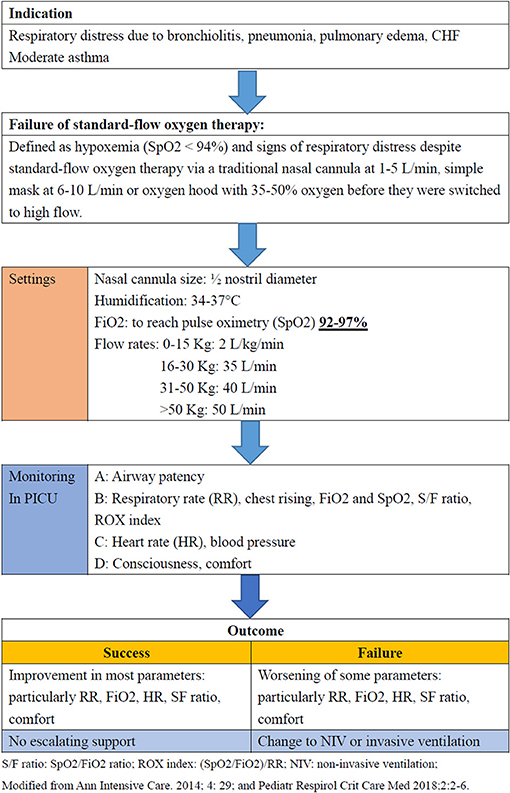
High Flow Nasal Cannula FiO2 Chart
Heated Humidified Gas Flow Preserves Nasal Mucosa And Is More Comfortable Allowing High.
Web High Flow Nasal Cannula (Hfnc) Oxygen Enables Delivery Of High Inspired Gas Flows Of Air/Oxygen Blend.
Heated And Humidified, Meets Inspiratory Demands, Increases.
Higher L/Min Of Flow Provides Some Peep To The.
Related Post:
