
Nurse Conversion Chart
Nurse Conversion Chart - Master the topic with a unique study combination of a concise summary paired with video lectures. 1 kilogram (kg) = 1000 grams (g) 1 mole (mol) = 1000 millimoles (mmol) 1 minute (min) = 60 seconds (sec) notice that most of these facts involve the number 1000. Print this metric table off of your printer and have it handy while you watch the video series. Web it is important to learn how to solve conversions when you start solving drug dosage and calculation problems. 1 km = 1000 m. 1 milliliter = 15 minims (m) = 15 drops (gtt) 5 milliliters = 1 fluidram = 1 teaspoon (tsp) 15 milliliters = 4 fluidrams = 1 tablespoon (t) 30 milliliters = 1 ounce (oz) = 2 tablespoons. 2.2 lb = 1 kg. See table 5.4c for common metric conversions that nurses must memorize. **move back and forth between steps. Web a nursing dosage conversion chart is essential for healthcare professionals, especially nurses. Web these are direct conversions as used in nursing practice! 1 milliliter = 15 minims (m) = 15 drops (gtt) 5 milliliters = 1 fluidram = 1 teaspoon (tsp) 15 milliliters = 4 fluidrams = 1 tablespoon (t) 30 milliliters = 1 ounce (oz) = 2 tablespoons. This quiz will test your ability to convert kilograms (kg) to grams (g), milligrams (mg) to micrograms (mcg), teaspoons (tsp) to milliliters (ml), tablespoons (tbsp) to ounces (oz) etc. Web it is important to learn how to solve conversions when you start solving drug dosage and calculation problems. 1 km = 1000 m. See table 5.4c for common metric conversions that nurses must memorize. 2.2 lb = 1 kg. Web this is a printable metric table for dosage and calculation quizzes. Web 8 conversion table the following tables outline common conversion amounts used in nursing. It helps in converting and calculating accurate medication dosages in various units, such as milligrams (mg), micrograms (mcg), and milliliters (ml). Web it is important to learn how to solve conversions when you start solving drug dosage and calculation problems. Master the topic with a unique study combination of a concise summary paired with video lectures. Click here for a quick collection of all common conversions needed in nursing: Web this is a printable metric table for dosage and calculation quizzes.. Web nurses often need to convert household measurements to metric equivalents or vice versa. 2.2 lb = 1 kg. Web 1 milliliter = 1 cubic centimeter (cc) 1 meter = 100 centimeters (cm) 1 meter = 1000 millimeters (mm) conversion equivalents. It helps in converting and calculating accurate medication dosages in various units, such as milligrams (mg), micrograms (mcg), and. Table 5.4c common metric conversions in health care 1 g = 1000 mg. Master the topic with a unique study combination of a concise summary paired with video lectures. Web 8 conversion table the following tables outline common conversion amounts used in nursing. **move back and forth between steps. Web these are direct conversions as used in nursing practice! For all other conversions (e.g. Web a nursing dosage conversion chart is essential for healthcare professionals, especially nurses. The metric table is in microsoft docx format. Simply click the picture below to access the metric table. See table 5.4c for common metric conversions that nurses must memorize. Web a nursing dosage conversion chart is essential for healthcare professionals, especially nurses. Web checklist for dimensional analysis: 1 m = 1000 mm. Web we use a system of base words and prefixes. Print this metric table off of your printer and have it handy while you watch the video series. Web 1 milliliter = 1 cubic centimeter (cc) 1 meter = 100 centimeters (cm) 1 meter = 1000 millimeters (mm) conversion equivalents. It helps in converting and calculating accurate medication dosages in various units, such as milligrams (mg), micrograms (mcg), and milliliters. Web 8 conversion table the following tables outline common conversion amounts used in nursing. Web it is important to learn how to solve conversions when you start solving drug dosage and calculation problems. 1 kilogram (kg) = 1000 grams (g) 1 mole (mol) = 1000 millimoles (mmol) 1 minute (min) = 60 seconds (sec) notice that most of these facts. Web these are direct conversions as used in nursing practice! So converting between units will often involve multiplying or dividing by 1000. For all other conversions (e.g. The metric table is in microsoft docx format. It helps in converting and calculating accurate medication dosages in various units, such as milligrams (mg), micrograms (mcg), and milliliters (ml). Web checklist for dimensional analysis: Print this metric table off of your printer and have it handy while you watch the video series. It helps in converting and calculating accurate medication dosages in various units, such as milligrams (mg), micrograms (mcg), and milliliters (ml). Web this is a printable metric table for dosage and calculation quizzes. Web these are direct. 1 kilogram (kg) = 1000 grams (g) 1 mole (mol) = 1000 millimoles (mmol) 1 minute (min) = 60 seconds (sec) notice that most of these facts involve the number 1000. Web 8 conversion table the following tables outline common conversion amounts used in nursing. Web 1 milliliter = 1 cubic centimeter (cc) 1 meter = 100 centimeters (cm) 1. 1 kilogram (kg) = 1000 grams (g) 1 mole (mol) = 1000 millimoles (mmol) 1 minute (min) = 60 seconds (sec) notice that most of these facts involve the number 1000. 1 m = 1000 mm. Table 5.4c common metric conversions in health care Web overview of the most common unit conversions in clinical practice. Simply click the picture below to access the metric table. This quiz will test your ability to convert kilograms (kg) to grams (g), milligrams (mg) to micrograms (mcg), teaspoons (tsp) to milliliters (ml), tablespoons (tbsp) to ounces (oz) etc. = 30 ml to convert. Print this metric table off of your printer and have it handy while you watch the video series. Web nurses often need to convert household measurements to metric equivalents or vice versa. The metric table is in microsoft docx format. 1 milliliter = 15 minims (m) = 15 drops (gtt) 5 milliliters = 1 fluidram = 1 teaspoon (tsp) 15 milliliters = 4 fluidrams = 1 tablespoon (t) 30 milliliters = 1 ounce (oz) = 2 tablespoons. Web 8 conversion table the following tables outline common conversion amounts used in nursing. Web these are direct conversions as used in nursing practice! Web checklist for dimensional analysis: Web a nursing dosage conversion chart is essential for healthcare professionals, especially nurses. It helps in converting and calculating accurate medication dosages in various units, such as milligrams (mg), micrograms (mcg), and milliliters (ml).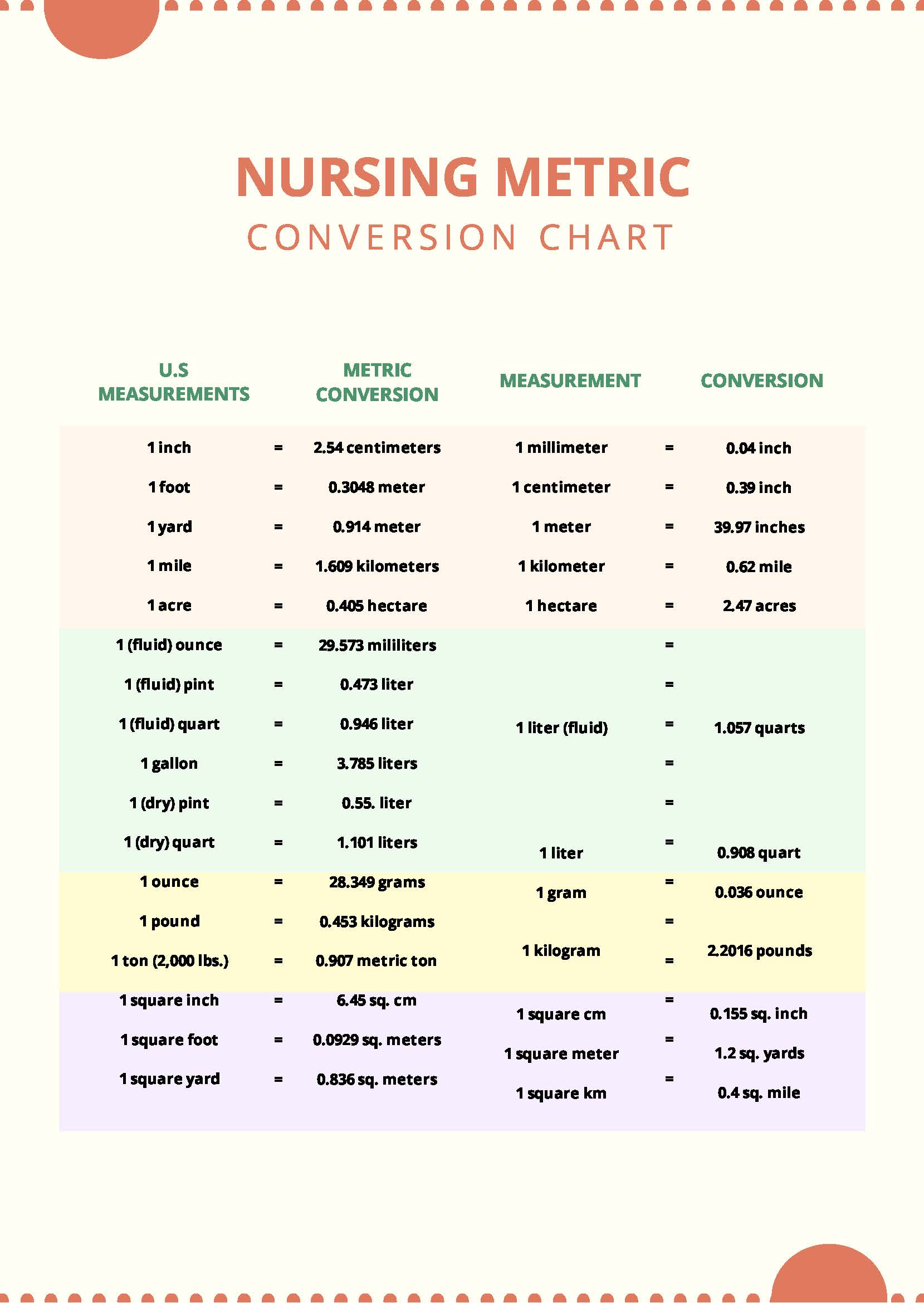
General Conversion Table Metric Conversion Chart Nursing My XXX Hot Girl

Nursing Math Conversion Chart

Printable Nursing Conversion Chart Printable Word Searches

Printable Nursing Conversion Chart Printable Word Searches

Nursing Measurement Conversion Chart in PDF Download
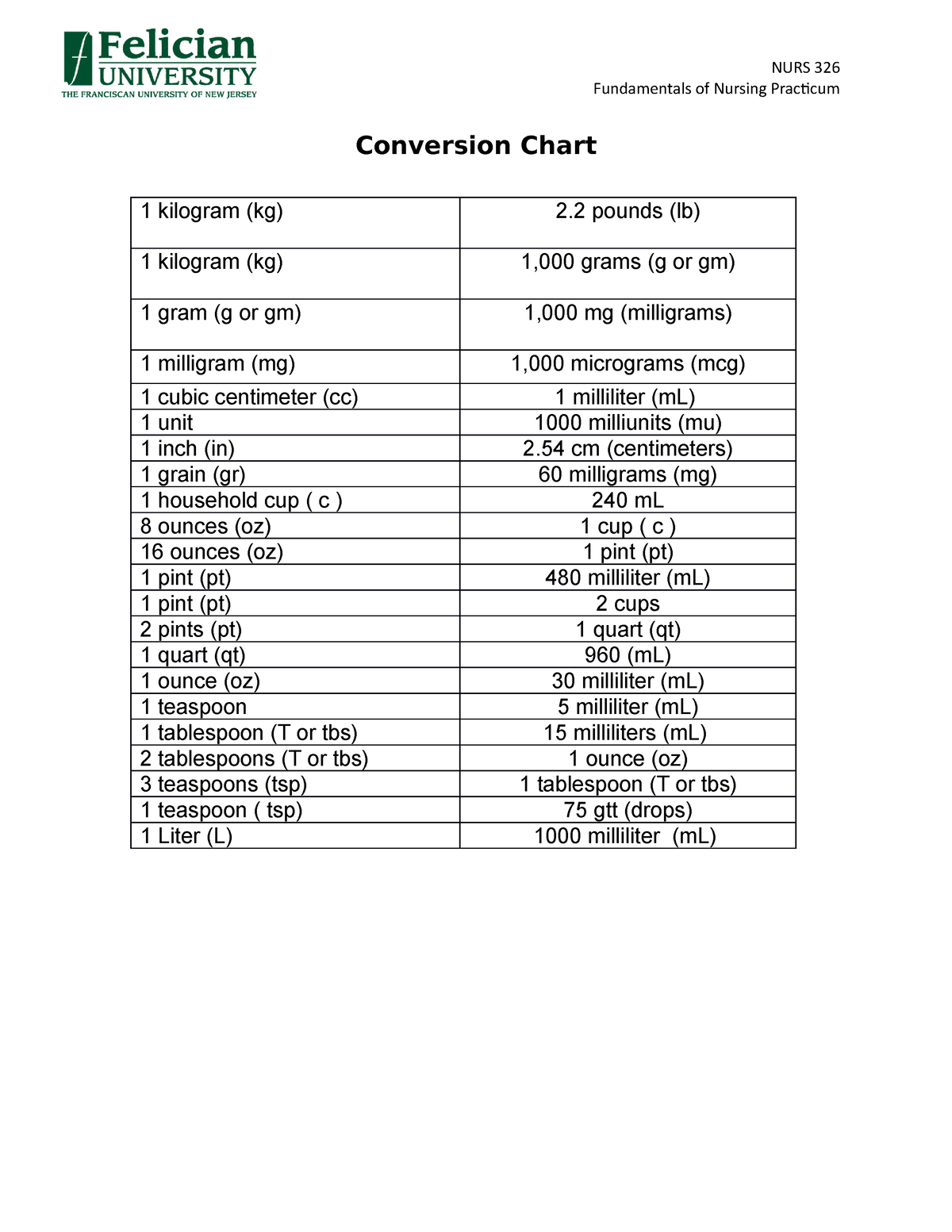
Ml Liquid Conversion Chart

Nursing Math Conversion Chart

Nursing Conversion CheatSheet NCLEX Quiz Nursing school survival

Printable Nursing Conversion Chart
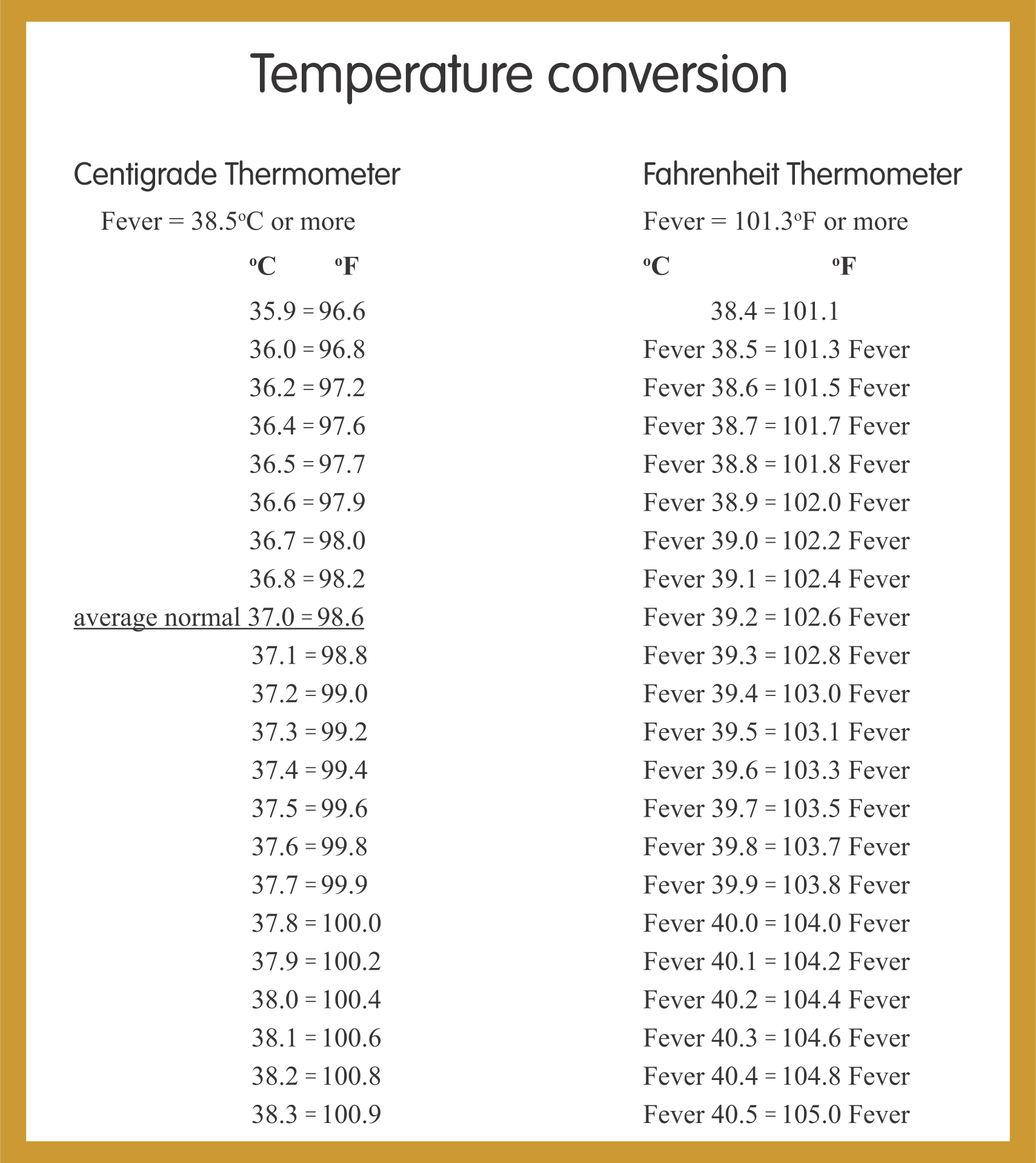
Printable Nursing Conversion Chart Printable Word Searches
**Move Back And Forth Between Steps.
Master The Topic With A Unique Study Combination Of A Concise Summary Paired With Video Lectures.
Web 1 Milliliter = 1 Cubic Centimeter (Cc) 1 Meter = 100 Centimeters (Cm) 1 Meter = 1000 Millimeters (Mm) Conversion Equivalents.
See Table 5.4C For Common Metric Conversions That Nurses Must Memorize.
Related Post: