
Wine Acidity Chart
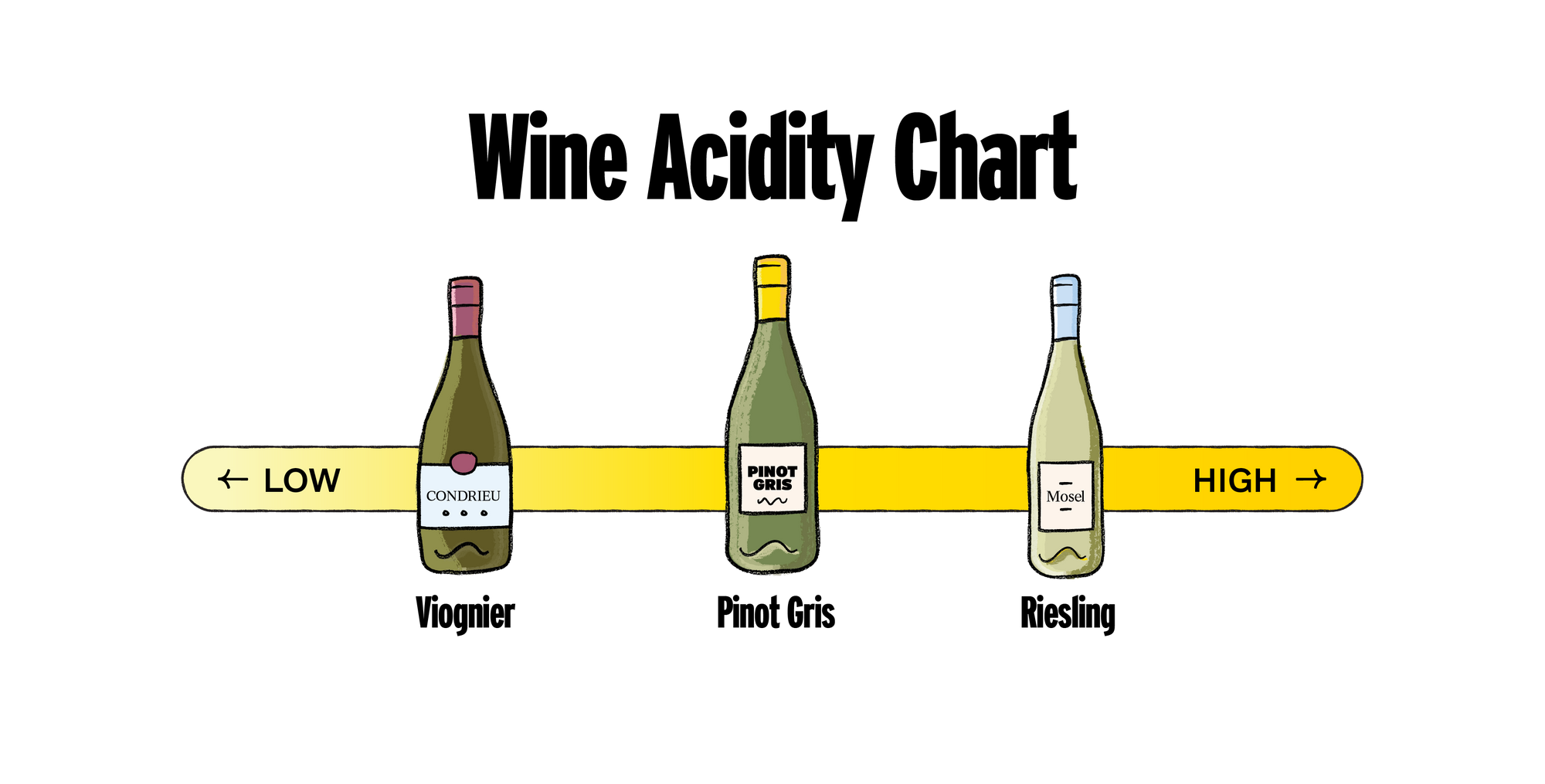
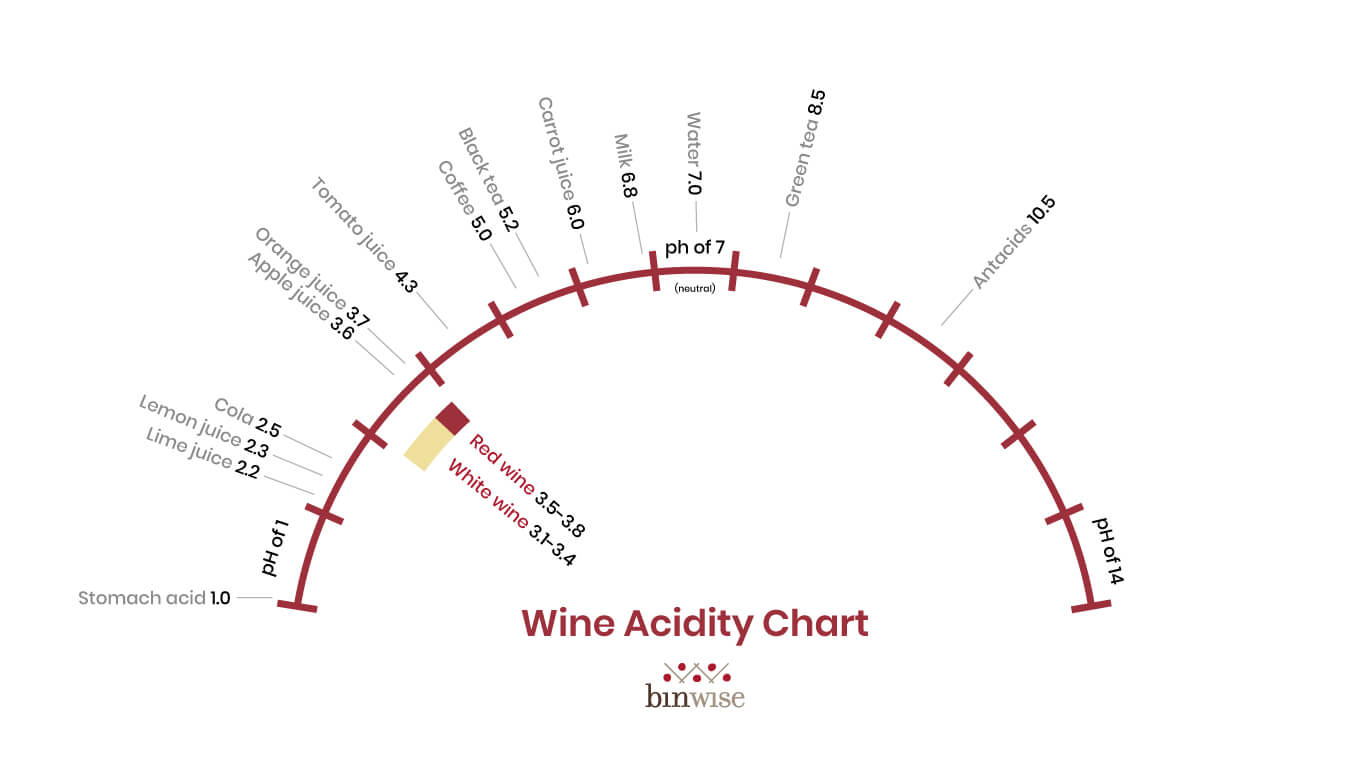
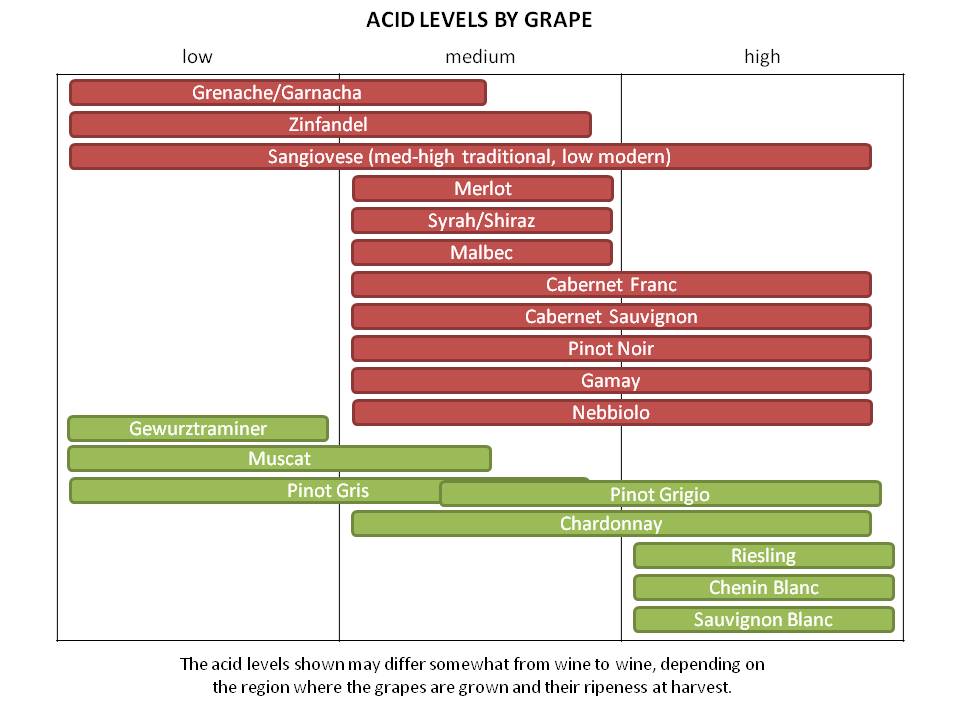
Wine Acidity Chart - Web wine sweetness chart. Web three primary acids are found in wine grapes: Web on a chart, ph goes from 0 to 14, with 0 being the most acidic and 14 being basic. In a small bowl, mix the cooled brandy with the demiglace, pepper and crème fraîche. Web most wines have a ph between 3.0 and 3.8+. Potassium bicarbonate /khco 3 / and potassium carbonate /k 2 co 3 / are used for deacidification of grape juice, must or wine for improving quality or rounding off of flavors. Web the principal acids in wine are tartaric and malic acids and their derivatives. Wine should fall somewhere between 3 and 4, although it can dip a lower or. Most wine ph's fall around 3 or 4; It is important to note that the sweetness of wine is not a measure of sugar content, but rather the amount of residual sugar in a wine after fermentation. Web if your dish is more acidic than your wine, then the wine will be overwhelmed and taste flat and uninspired. Web be careful with caco3 additions. Web terlato 2022 pinot grigio (friuli colli orientali) lifted and fresh aromas of green and golden delicious apples with subtle hints of lemon peel and white flowers grace the glass. For that reason, the most reliable and easy method of determining this is through the aftermath of wine taking. Be sure to select a vino that’s a fair amount more acidic than whatever dish is on the menu. It doesn’t sound like a big difference, but each unit is 10x greater. It is important to note that the sweetness of wine is not a measure of sugar content, but rather the amount of residual sugar in a wine after fermentation. About 3.0 to 3.4 is desirable for white wines, while about 3.3 to 3.6 is best for reds. Web most wines have a ph between 3.0 and 3.8+. During the course of winemaking and in the finished wines, acetic, butyric, lactic, and succinic acids can play significant roles. The acidity level tells us the concentration of acids present in wine. During the course of winemaking and in the finished wines, acetic, butyric, lactic, and succinic acids can play significant roles. Web low ph wines will taste tart and crisp, while higher ph wines are more susceptible to bacterial growth. When you think of acid, think about that acidic. In a small bowl, mix the cooled brandy with the demiglace, pepper and crème fraîche. Web salt, to taste. This is a clear indication that wines are generally acidic. Web if your dish is more acidic than your wine, then the wine will be overwhelmed and taste flat and uninspired. Web understanding wine tech sheets. The fleshy palate is generous with mixed stone fruits and blanched almonds, finishing with a pop of acidity. Most wine ph's fall around 3 or 4; To put wine in perspective, look at where it appears on a ph chart compared to other familiar acidic beverages like coffee, tea, cola, and lemon juice. Web most wines fall between a scale. Too much sugar and the acid is muted, too much acid and the wine is harsh. Be sure to select a vino that’s a fair amount more acidic than whatever dish is on the menu. Acidity in wine comes from the organic acids found in grapes. There are several different types of acids found in wine, which will affect how. The only wine chart you will ever need. Taste each one, making sure to cleanse your palate with water between each tasting. This is a clear indication that wines are generally acidic. Web three primary acids are found in wine grapes: Web wine sweetness chart. Red wines with higher acidity are more likely to be a bright ruby color, as the lower ph gives them a red hue. Here’s our guide to wine acidity and how to drink safely if you suffer from acid reflux. During the course of winemaking and in the finished wines, acetic, butyric, lactic, and succinic acids can play significant roles.. Too much sugar and the acid is muted, too much acid and the wine is harsh. Web a list of red wines with low acid to help you choose a wine that will lessen the unpleasantness of acid reflux and heartburn. Read our wine acidity guide now! Web wine acidity refers to the natural malic and tartaric acids found in. Web take a sip of the sauvignon blanc first and notice how assertively the salivary glands at the base of your jaw start firing away, making your mouth water. Wines with lower acidity can also take on a brown color because they’re more prone to oxidation. Where does wine get its acidity? Web most wines have a ph between 3.0. If you need some help, consult a wine acidity chart or select from one of these wines with the most natural acidity. Web take a sip of the sauvignon blanc first and notice how assertively the salivary glands at the base of your jaw start firing away, making your mouth water. Here’s our guide to wine acidity and how to. Read our wine acidity guide now! Acid is what makes both fruits and wines refreshing. There are other acids that are found on grapes that might be consumed by bacteria during fermentation, or acids that are a byproduct of fermentation, such as succinic acid, gallic acid, cataric acid or citric acid. It's helpful to compare wine. The acidity level tells. It doesn’t sound like a big difference, but each unit is 10x greater. For that reason, the most reliable and easy method of determining this is through the aftermath of wine taking. Web learn the definition for wine acidity, how to taste acidity in wine and why acidity in wine is a very good thing. About 3.0 to 3.4 is desirable for white wines, while about 3.3 to 3.6 is best for reds. It's helpful to compare wine. Web if your dish is more acidic than your wine, then the wine will be overwhelmed and taste flat and uninspired. Wine should fall somewhere between 3 and 4, although it can dip a lower or. Where does wine get its acidity? Web wine acidity refers to the natural malic and tartaric acids found in grape pulps. The acidity level tells us the concentration of acids present in wine. Prepare a few glasses of different types of wine, including red, white and rosé. Web identifying the acidity in wine. The fleshy palate is generous with mixed stone fruits and blanched almonds, finishing with a pop of acidity. They both form carbon dioxide and precipitate potassium bitartrate. Too much sugar and the acid is muted, too much acid and the wine is harsh. There are other acids that are found on grapes that might be consumed by bacteria during fermentation, or acids that are a byproduct of fermentation, such as succinic acid, gallic acid, cataric acid or citric acid.
The Power of Understanding Wine Tech Sheets Wine Folly

Understanding Acidity in Wine Wine Folly

Understanding Acidity in Wine Wine Folly

Acid Level Chart Of Wines
Wine Terms Top 5 Most Misunderstood Terms Good Pair Days
Red Wine Acidity Chart
Red Wine Acidity Chart

Acidity in wine Wine Republic Bangkok Winerepublicbkk
Red Wine Acidity Chart
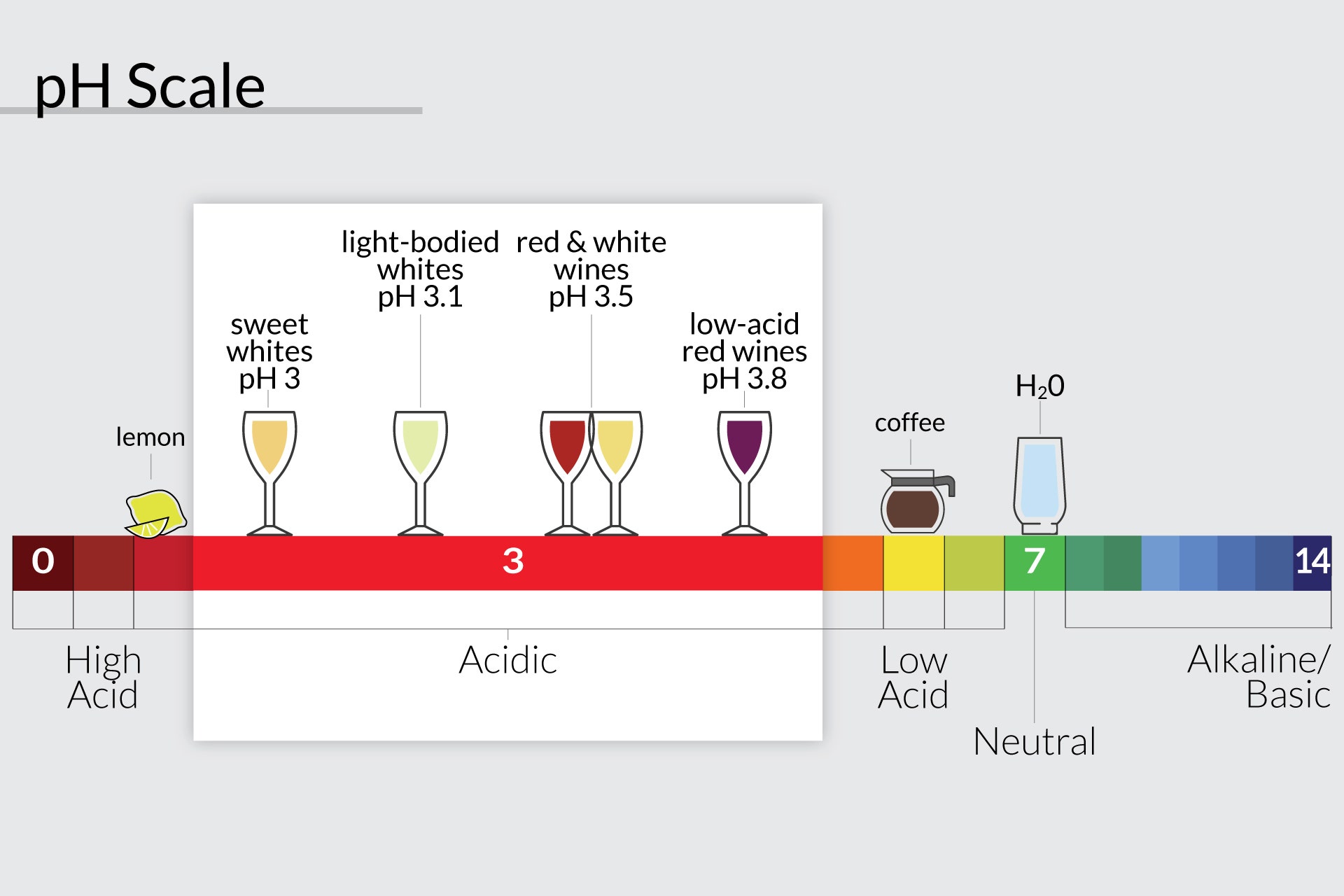
What Is Acidity in Wine? Wine Enthusiast
Web A List Of Red Wines With Low Acid To Help You Choose A Wine That Will Lessen The Unpleasantness Of Acid Reflux And Heartburn.
It Is Important To Note That The Sweetness Of Wine Is Not A Measure Of Sugar Content, But Rather The Amount Of Residual Sugar In A Wine After Fermentation.
When The Acidity Is High, The Ph Is Low And When The Ph Is High, The Acidity Is Low.
During The Course Of Winemaking And In The Finished Wines, Acetic, Butyric, Lactic, And Succinic Acids Can Play Significant Roles.
Related Post: